Solvent extraction is a widely used separation and purification method in hydrometallurgy. The process takes advantage of differences in the distribution behavior of metal ions between an aqueous phase and an organic phase. This allows target metals to be selectively transferred from a multi-component solution and then recovered through stripping and subsequent refining steps.
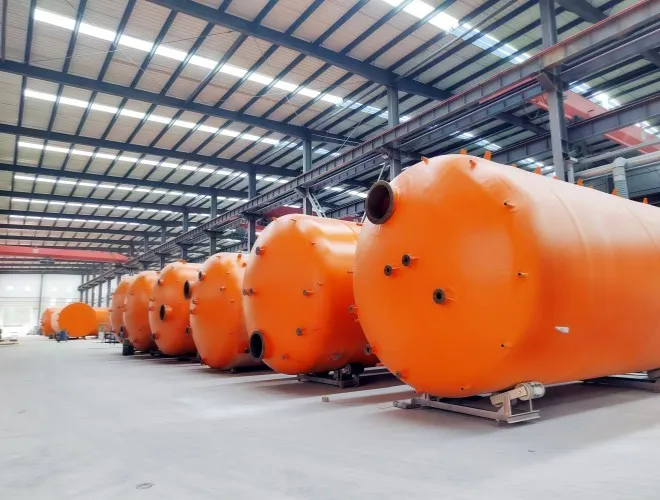
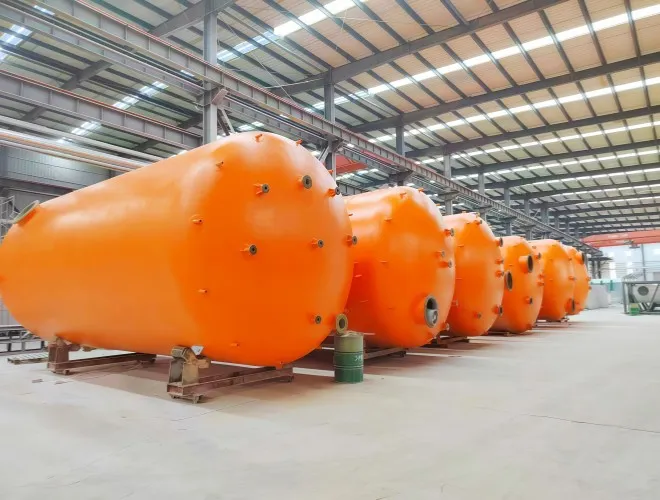
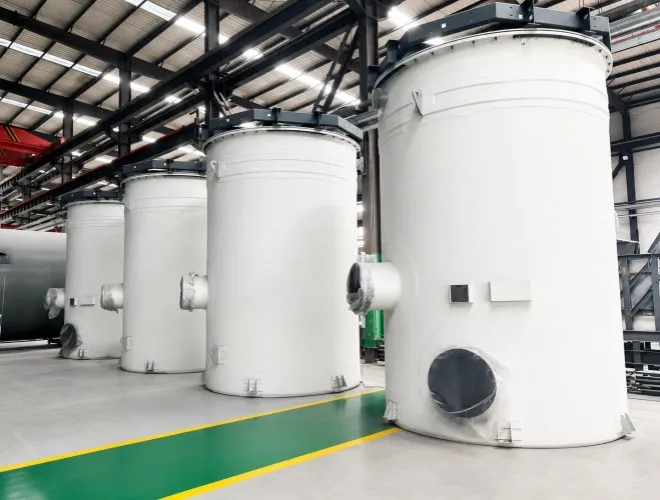
In this project, separate solvent extraction units were configured for cobalt, nickel and manganese. The solution composition, acidity, organic-phase ratio, impurity content and operating conditions varied across the different extraction stages. For this reason, the FRP tanks could not simply be manufactured as identical units with the same external form. Their material systems and structural configurations had to be confirmed separately according to the specific process duty of each tank.
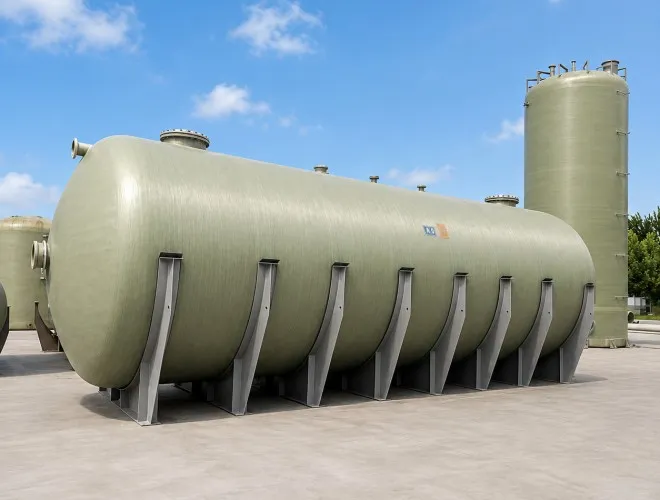
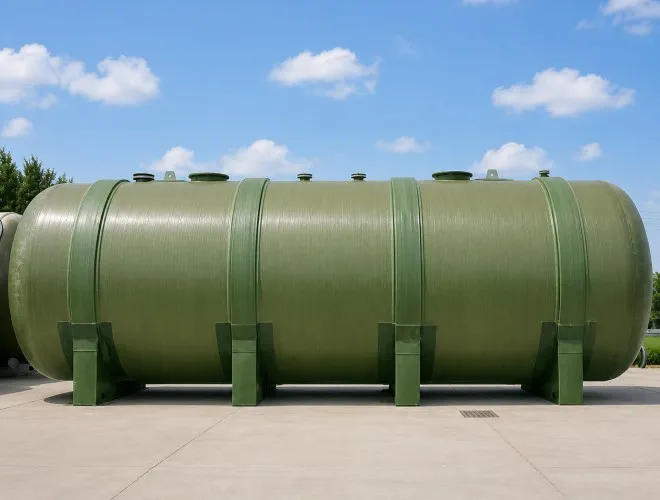
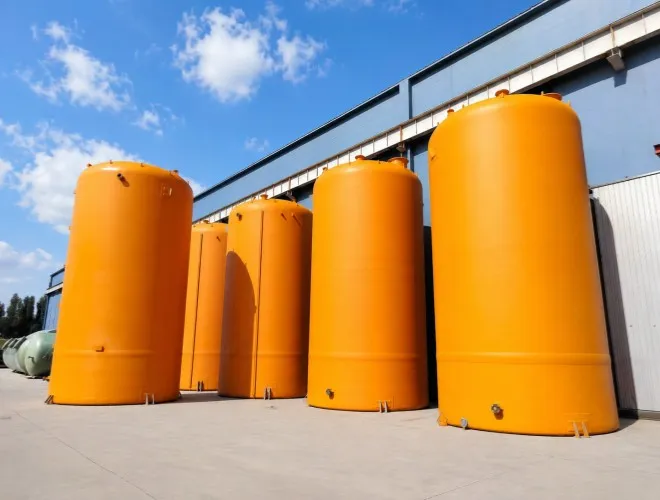
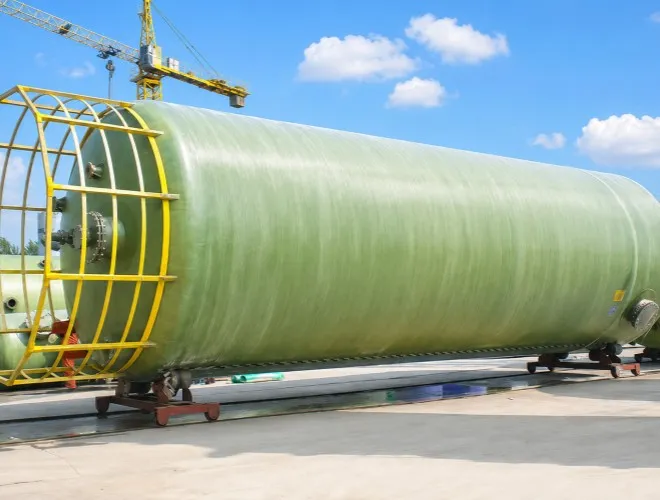
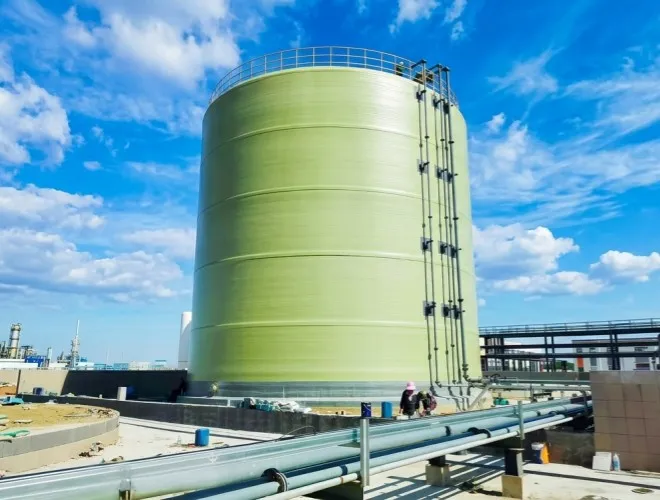
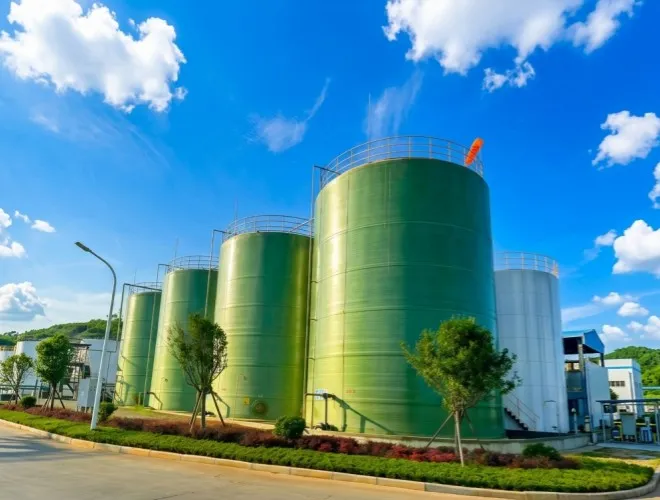
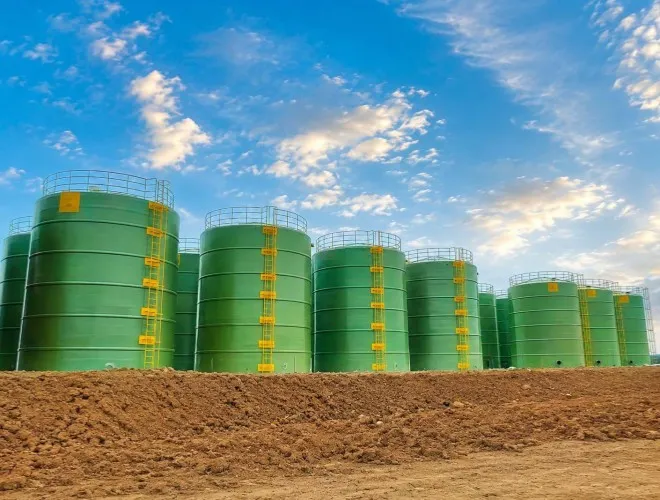
These FRP solvent extraction tanks are mainly used to contain or circulate process liquids within the extraction circuits. They operate together with agitation, pumping, piping, level control, overflow and drainage systems. The equipment may come into contact with metal-bearing aqueous solutions, organic extraction phases, acidic liquids and cleaning media. Therefore, the wetted laminate, nozzle areas and internal components must provide corrosion resistance suitable for the actual process media.
Although all three types of equipment are solvent extraction tanks, their process functions and contact media are different.
The customer required the supplier to review the medium data, concentration, temperature and operating method of each tank separately. A single material solution could not be applied broadly to all units without individual verification.
Material selection also needed to consider normal operating conditions, short-term process fluctuations, cleaning conditions and the potential long-term effects of contact with both aqueous and organic phases.
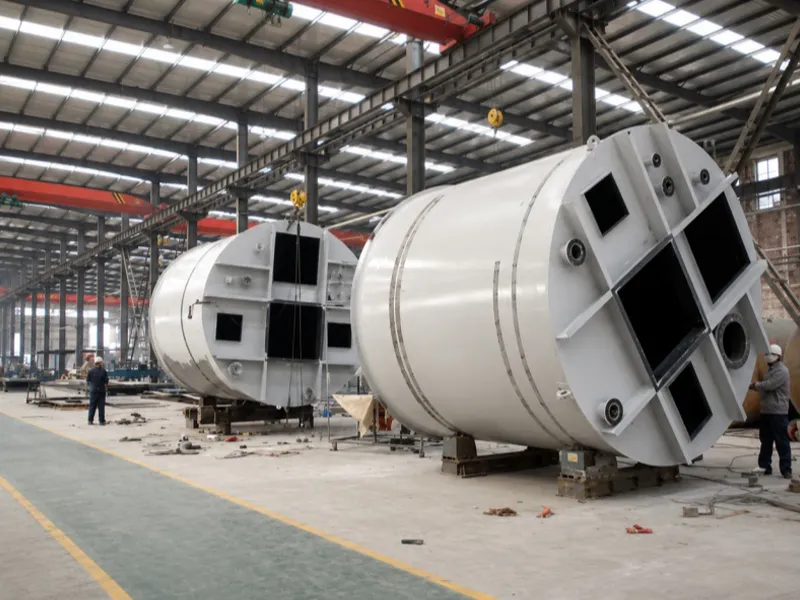
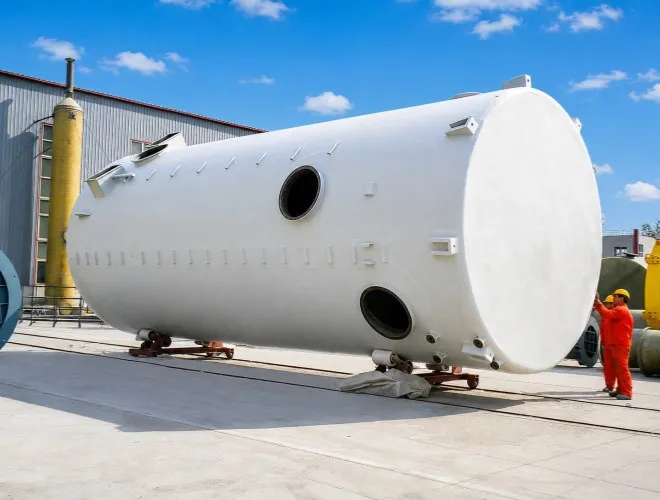
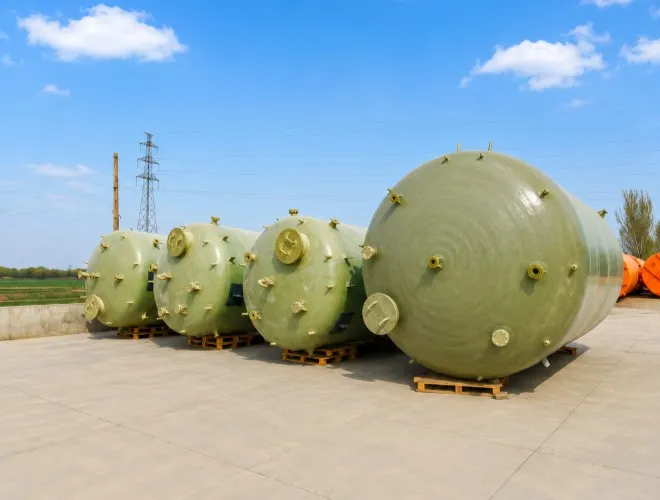
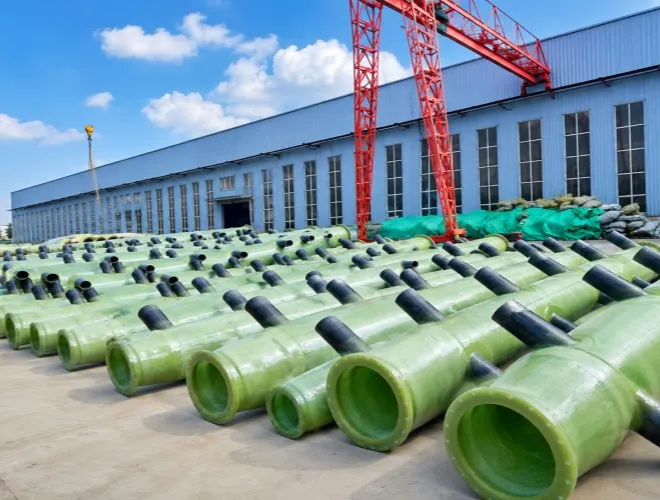
The solvent extraction tanks needed to connect with project piping, pumps, valves, instruments, level-control interfaces and other equipment. The number, size, orientation and elevation of all nozzles had to remain consistent with the approved drawings.
The equipment also required manways, vents, drains, overflow connections and other necessary operating interfaces. Any deviation in these connections could affect field piping installation, making drawing confirmation and dimensional control key parts of the project.
The solvent extraction process may involve organic extractants and diluents. The customer therefore focused not only on corrosion resistance, but also on ventilation, electrostatic control, operating temperature and site safety requirements.
Standard FRP materials are electrically insulating. Where the process medium presents flammability or electrostatic risks, the need for conductive or antistatic construction, grounding connections and related testing must be confirmed according to the customer’s safety design documents.
A standard FRP tank should not be assumed to provide antistatic performance unless this has been specifically designed and verified.
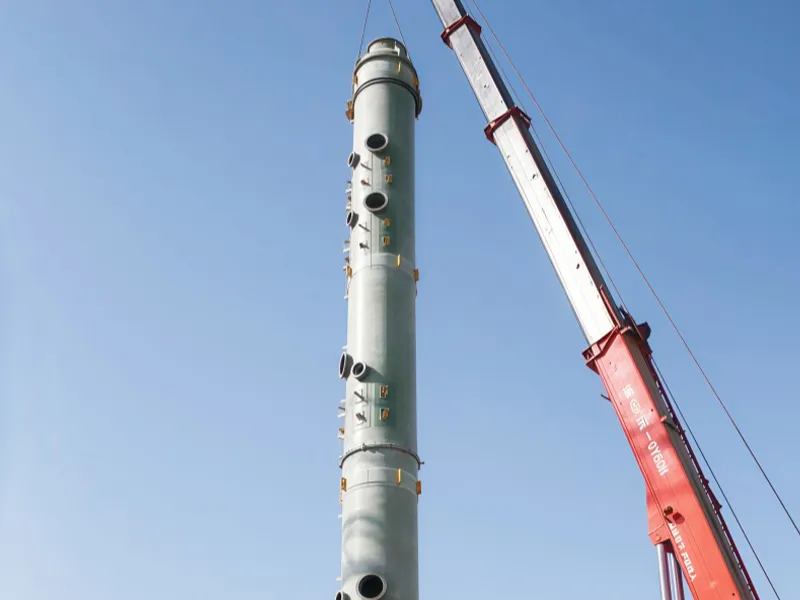
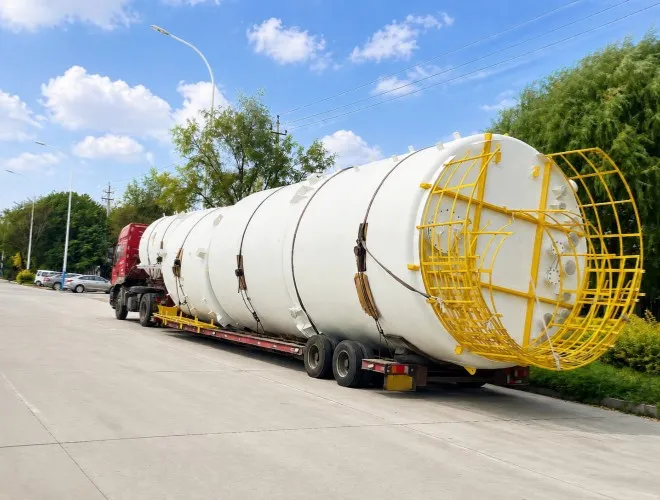
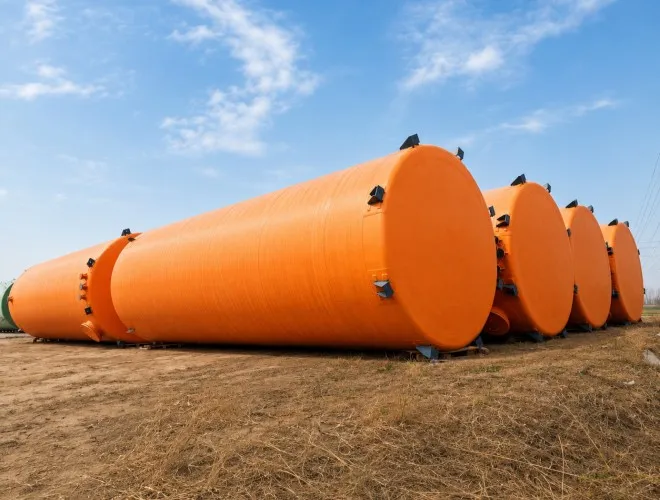
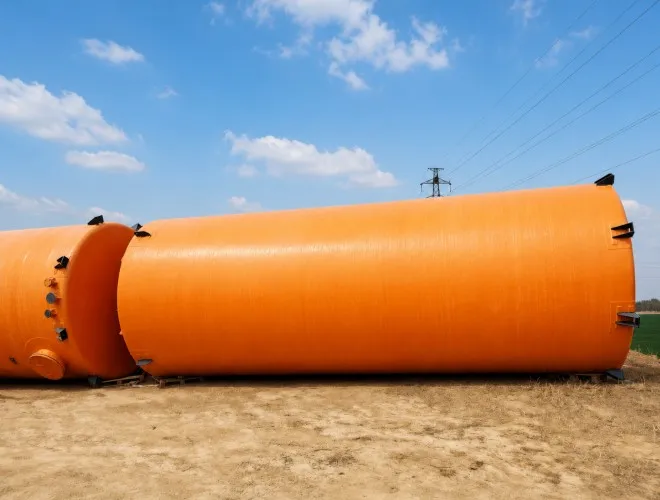
The products required international shipment. In addition to meeting process requirements, tank dimensions, external accessories and nozzle arrangements also needed to account for road transportation, loading and unloading, lifting and final positioning at the project site.
The customer required the equipment to undergo the necessary inspection and protection before leaving the factory. Clear product identification, lifting requirements and installation documentation also had to be supplied.
At the start of the project, Yingnai’s technical team organized and reviewed the equipment data sheets, medium conditions, interface lists and drawings provided by the customer.
Separate technical confirmation records were established for the cobalt, nickel and manganese solvent extraction tanks.
The main review items included:
Process media and component concentrations
Normal and design temperatures
Contact conditions between the aqueous and organic phases
Liquid density and operating level
Atmospheric, low-pressure or possible vacuum conditions
Nozzles, manways and instrument interfaces
Loads from agitators and external equipment
Indoor or outdoor installation and transportation requirements
Where differences or unconfirmed items were found in the project documents, the team completed the necessary technical clarification before manufacturing. This prevented incomplete or ambiguous parameters from being transferred directly into production.
The internal wetted laminate of each tank was reviewed according to the corresponding process medium.
Particular attention was given to the effects of acidic solutions, dissolved metal ions, organic phases and cleaning media on the resin system.
The tank structure consisted of an internal corrosion-resistant laminate and an external structural reinforcement layer. The internal laminate isolates the process medium and protects the reinforcing fibers, while the external structural laminate carries liquid loads, equipment self-weight and forces that may occur during installation.
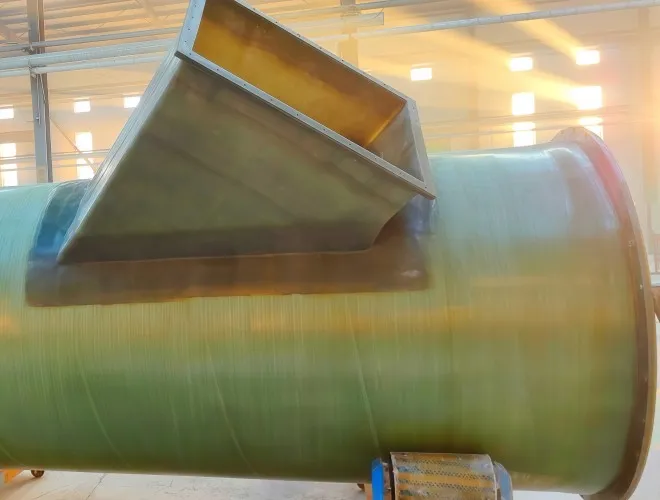
Local reinforcement was added around nozzles, manways, drains and other geometric transition areas to reduce the effect of openings on structural continuity.
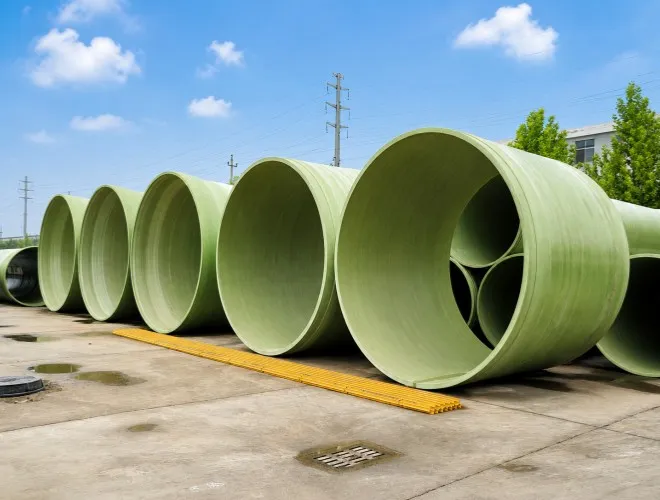
For connected piping, valves and heavier accessories, the technical documents specified independent support requirements so that unverified external loads would not be transferred directly to the FRP nozzles.
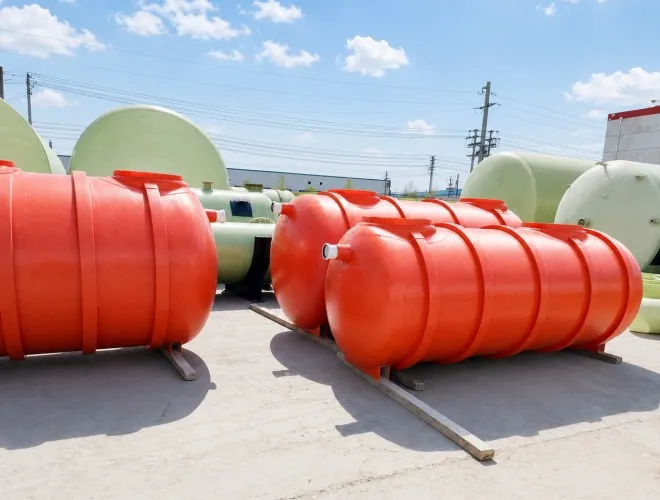
All three types of extraction tanks were customized according to the project interface conditions.
Based on the approved drawings, the technical team verified nozzle orientation, flange specifications, installation elevations and relationships with adjacent equipment. A consistent directional reference was also established in the manufacturing drawings.
For tanks requiring agitators, instruments or internal components, openings, support positions and maintenance clearances were coordinated in advance. This ensured that the products could not only be manufactured successfully in the factory, but also connected and commissioned smoothly at the project site.
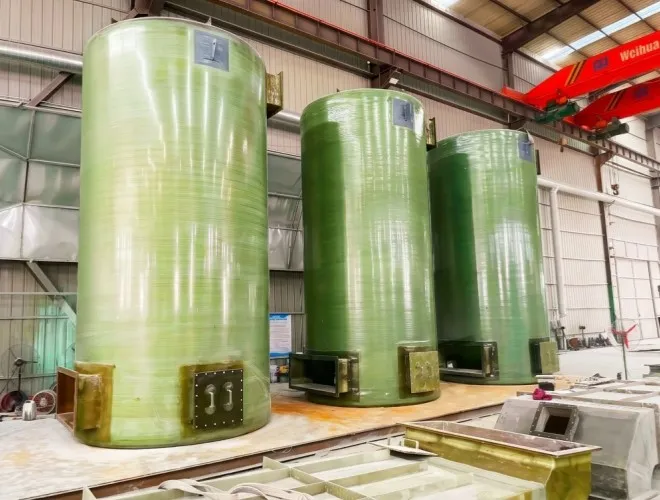
During manufacturing, the technical, production and quality teams worked together according to the approved drawings and project documentation.
The main control items included:
1. Verification of resin, reinforcement and auxiliary materials
2. Impregnation quality and surface condition of the internal corrosion-resistant laminate
3. Thickness and continuity of the structural reinforcement
4. Tank dimensions and overall appearance
5. Nozzle orientation, elevation and flange condition
6. Installation positions of manways, supports and accessories
7. Cure quality and product identification
Quality control was not limited to the main tank body.
Nozzle roots, bottom connections, roof transitions and other areas involving structural changes were also treated as key inspection points.
After manufacturing was completed, the quality team carried out final inspections covering appearance, dimensions, interfaces and other project-specific requirements.
Only after confirming that the products were consistent with the approved documentation did the equipment proceed to packaging and delivery preparation.
For international shipment, Yingnai developed packaging arrangements according to the dimensions and accessory configuration of each tank.
Protective measures were applied to nozzles, flanges, instrument interfaces and other vulnerable areas. Suitable supports and securing methods were used to reduce movement, impact and localized loading during transportation.
The delivery documentation included product identification, relevant technical documents, lifting precautions and installation recommendations.
After the equipment arrived at the site, the customer could choose either on-site technical support or remote installation guidance according to the project arrangement.
Support could include:
Inspection of the equipment after unloading
Confirmation of lifting positions
Verification of foundations and supports
Recommendations for nozzle connections
Review of loads from connected external equipment
Technical guidance based on site photographs and videos
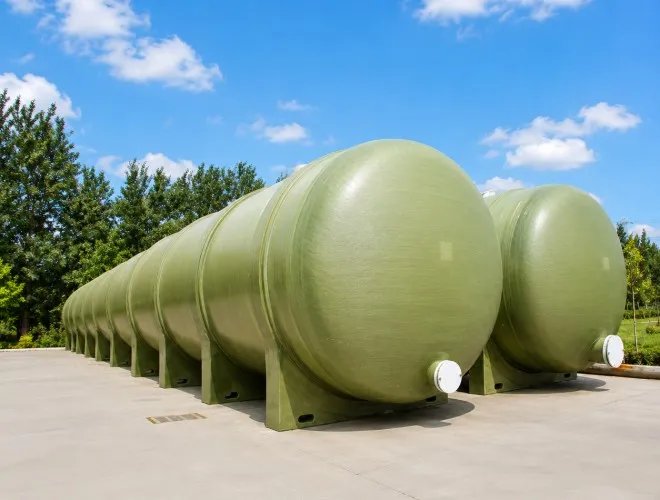
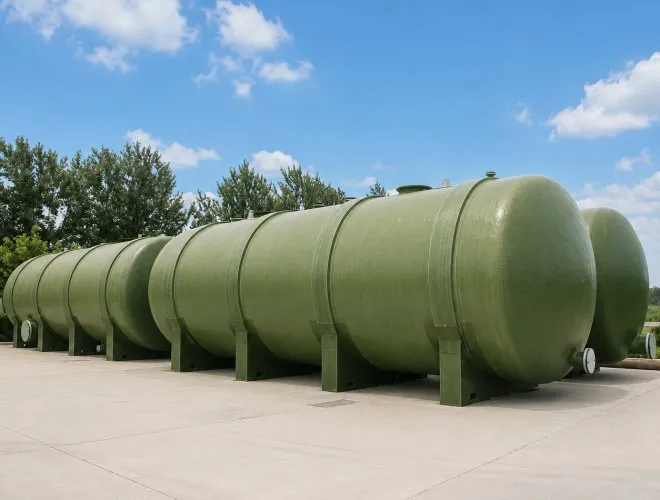
The cobalt, nickel and manganese FRP solvent extraction tanks were manufactured, inspected and delivered according to the process conditions and interface requirements confirmed by the customer.
The main value provided by the project solution included:
Separate medium reviews and material configurations for different metal extraction circuits
FRP structures suitable for acidic process liquids and solvent extraction service
Customized nozzles and interfaces that reduced field modification
Relatively low equipment weight that supported international transportation and site lifting
Controlled manufacturing and final inspection that improved consistency with project drawings
Technical documentation and installation support that helped coordinate the international project
The project did not treat the cobalt, nickel and manganese extraction tanks as three identical storage vessels.
Instead, each tank was developed separately according to the process medium, interfaces and operating requirements of its specific extraction stage.
Battery recycling projects connect several stages, including end-of-life battery processing, critical-metal recovery and the reuse of battery materials.
After separation and purification, cobalt, nickel and manganese can re-enter relevant material supply chains, improving resource-circulation efficiency.
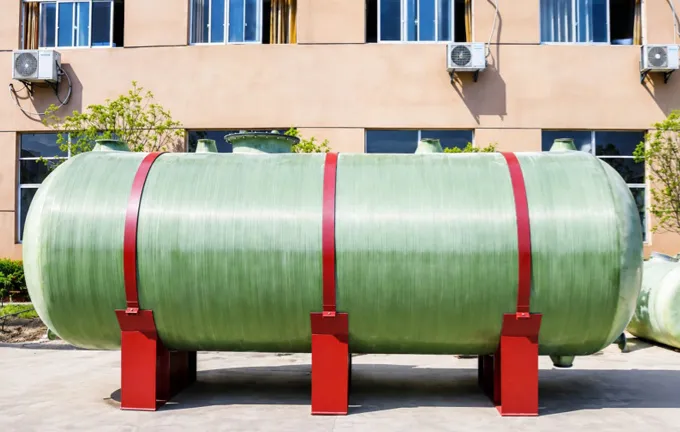
FRP tanks and solvent extraction tanks can be used in hydrometallurgical systems for acid storage, leach-solution circulation, extraction-liquid treatment, process-water collection and other corrosion-resistant equipment duties.
Their value lies not only in resistance to rust, but also in the ability to integrate medium compatibility, structural configuration, interfaces and site layout into one customized solution.
Reliable FRP performance still depends on accurate medium data, correct resin selection, controlled manufacturing, proper review of electrostatic and ventilation risks, and appropriate installation.
This project was designed and delivered around actual process conditions, providing a complete application case for FRP solvent extraction tanks in an overseas battery-material recycling project.
Keywords
U.S. energy transition project, FRP solvent extraction tank, cobalt solvent extraction tank, nickel solvent extraction tank, manganese solvent extraction tank, FRP tank
Meta Description
A U.S. energy transition project used customized cobalt, nickel and manganese FRP solvent extraction tanks for critical-metal recovery from battery materials. This case covers customer requirements, corrosion-resistant design, custom manufacturing, quality inspection, international transportation and installation support.
 English