Municipal infrastructure must serve communities for many years while operating underground, outdoors, beside roads or inside continuously wet facilities. Yingnai provides FRP/GRP piping, tanks, manholes, covers, gratings, profiles, cable-support products and custom components for water supply, drainage, sewage, pumping stations and public utilities. Their corrosion resistance and relatively low weight can simplify handling and installation, while customized structures help engineers adapt products to civil dimensions, hydraulic conditions and maintenance requirements across new construction and rehabilitation projects. Solutions can be coordinated with construction sequencing, transport limits and existing facilities to reduce installation conflicts and service disruption.
Municipal assets are exposed to soil moisture, groundwater, wastewater, road salts, coastal air, cleaning chemicals and changing weather. Many components are installed where inspection and repair are difficult, so corrosion can remain hidden until leakage, structural loss or service interruption occurs. Steel products may require coatings, cathodic protection or regular replacement, while concrete can be affected by chemical attack and cracking in certain environments. FRP offers a non-rusting composite structure that can be engineered for the intended exposure. Its value is especially clear when long service intervals, restricted access and reduced maintenance disruption are important project goals.
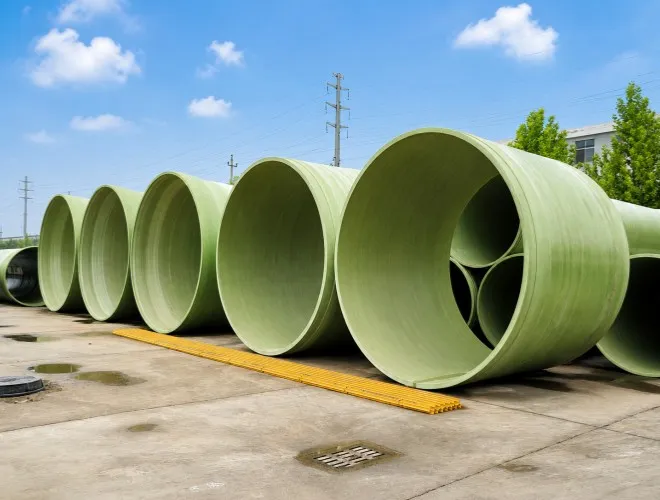
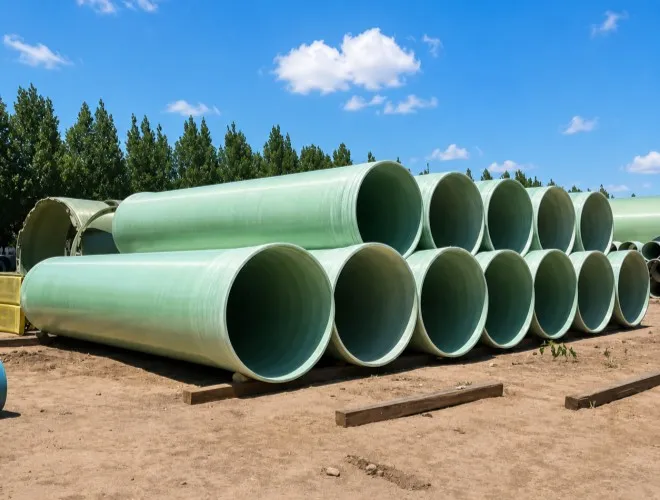
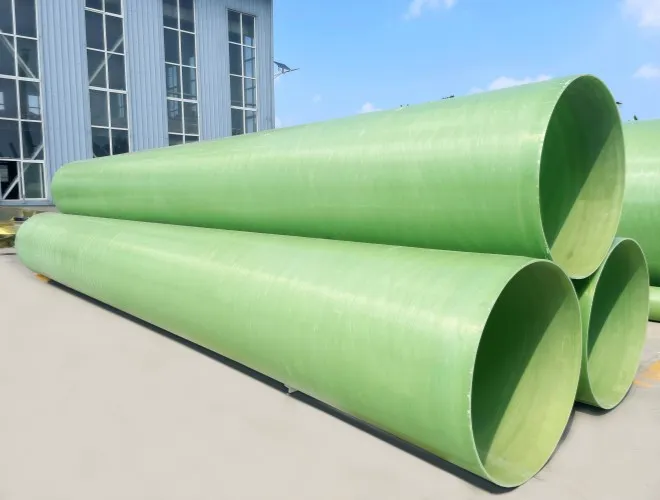
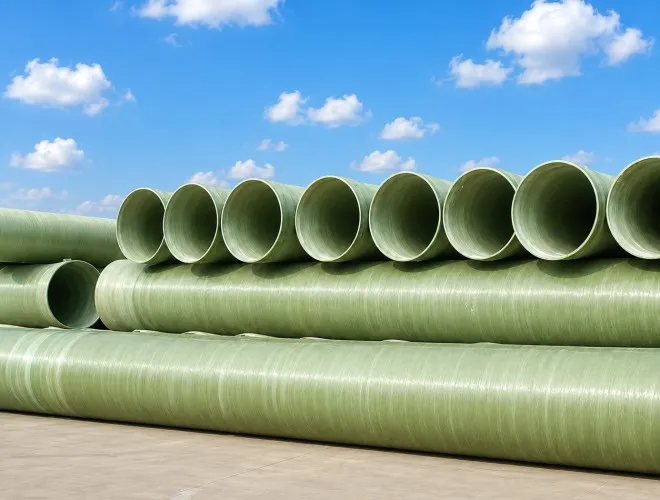
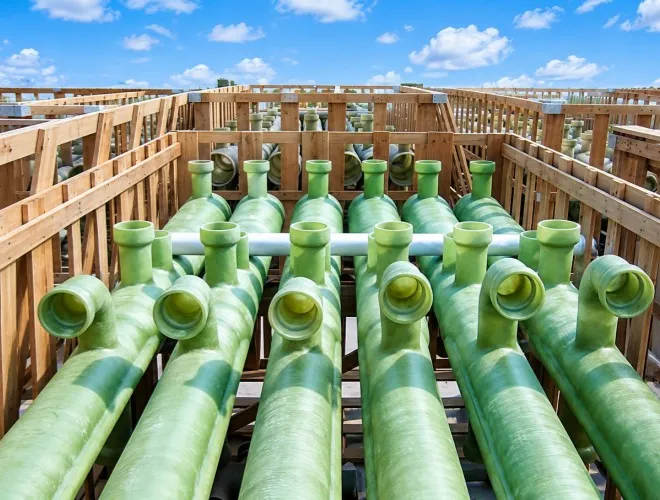
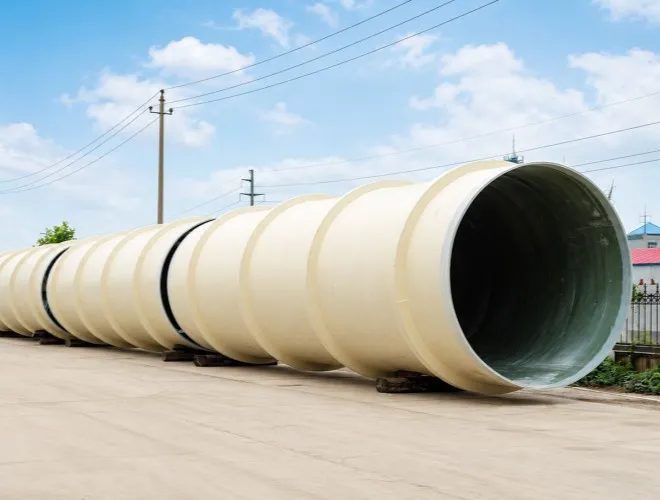
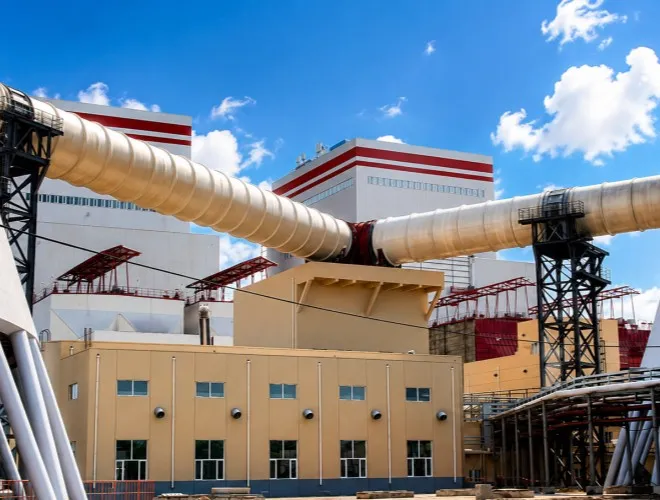
FRP piping can be designed for gravity flow, low- or medium-pressure service and project-specific diameters. Filament winding allows continuous glass fibers to be oriented for hoop and axial loads, while the inner surface can be formulated for the conveyed medium. Applications may include water transmission, drainage, sewage, industrial discharge, pumping-station connections and utility lines. Hydraulic design should consider flow, head loss, pressure, vacuum and surge. Structural design must address burial depth, soil stiffness, traffic loads, groundwater, support spacing and joint restraint. Pipe fittings and field connections should be coordinated with access, trench conditions and construction sequencing.
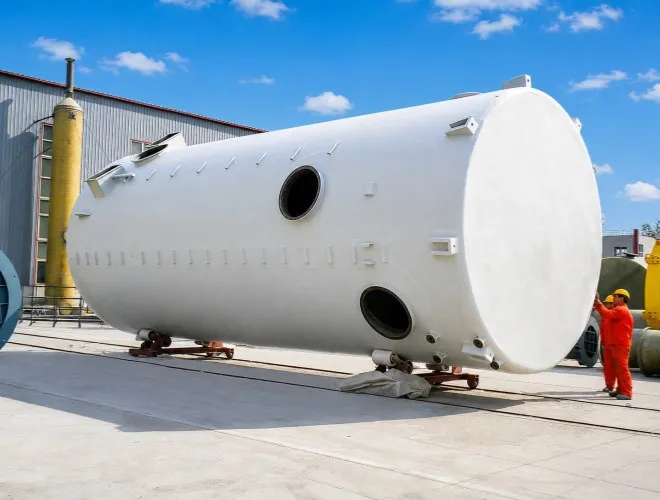
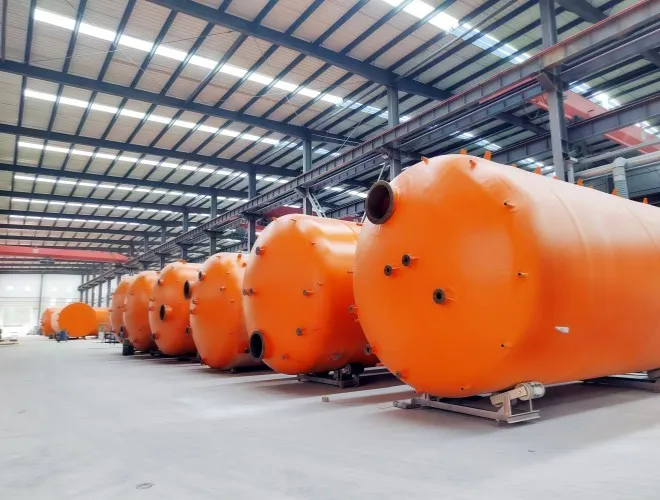
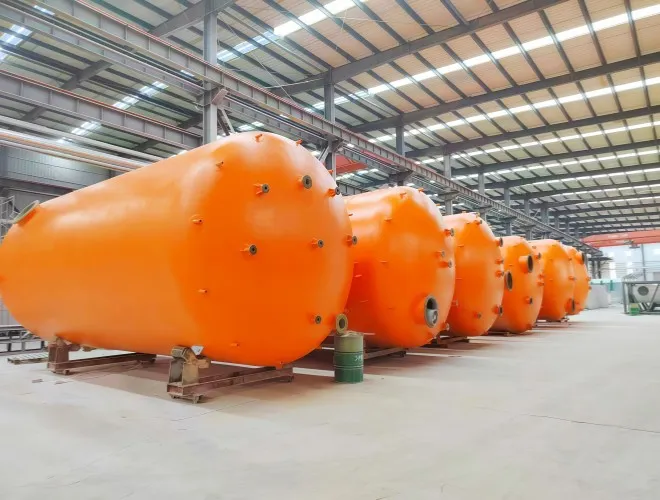
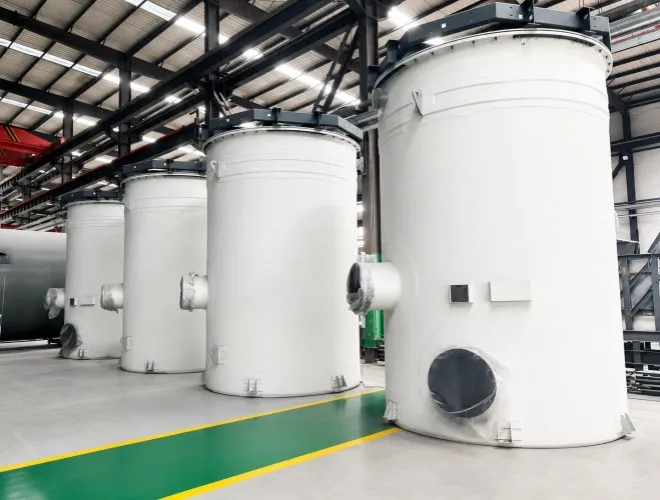
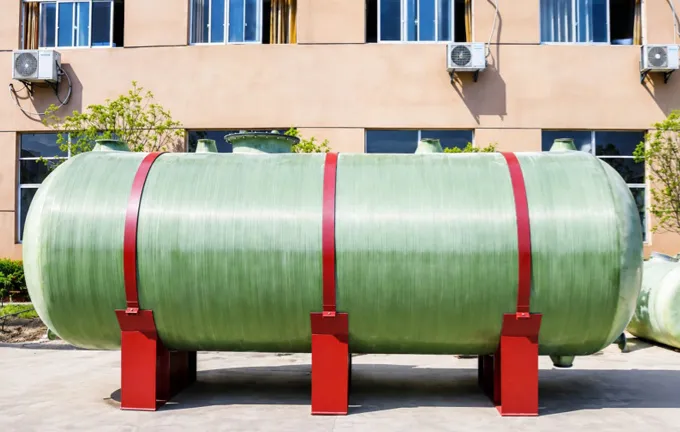
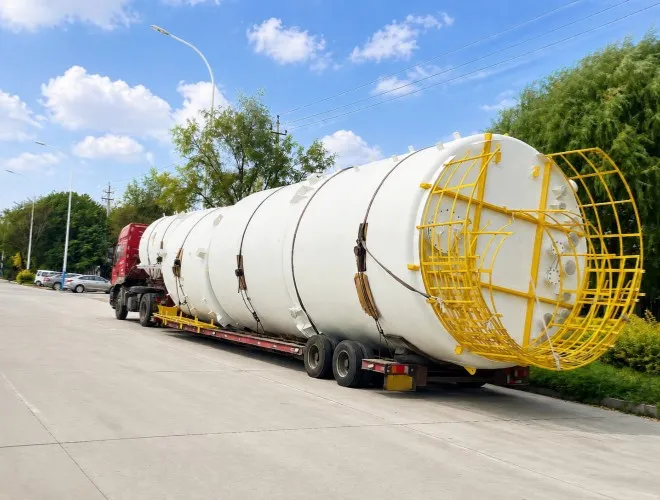
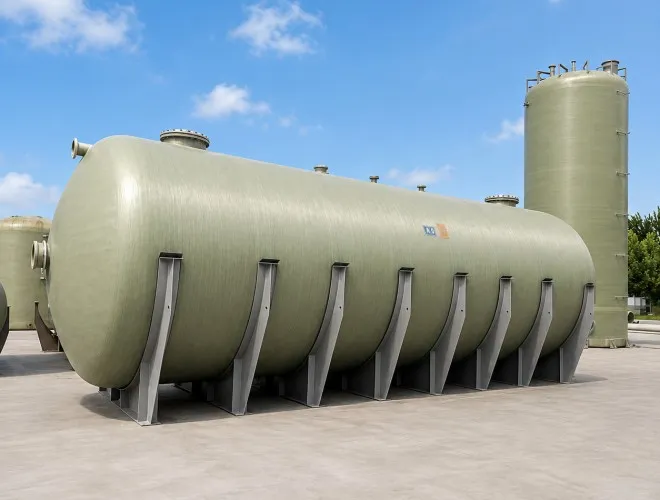
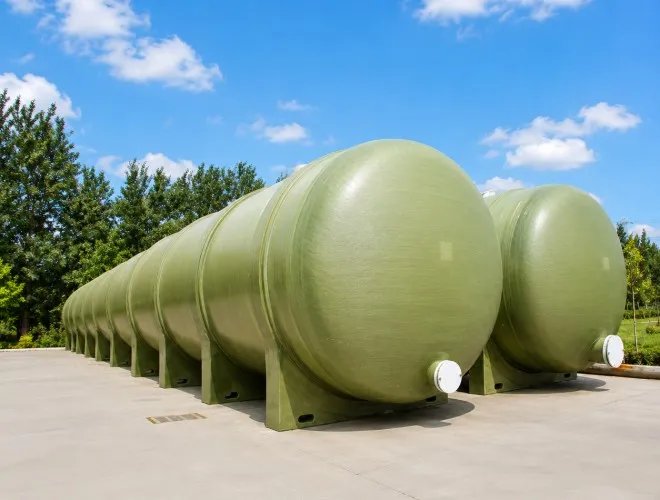
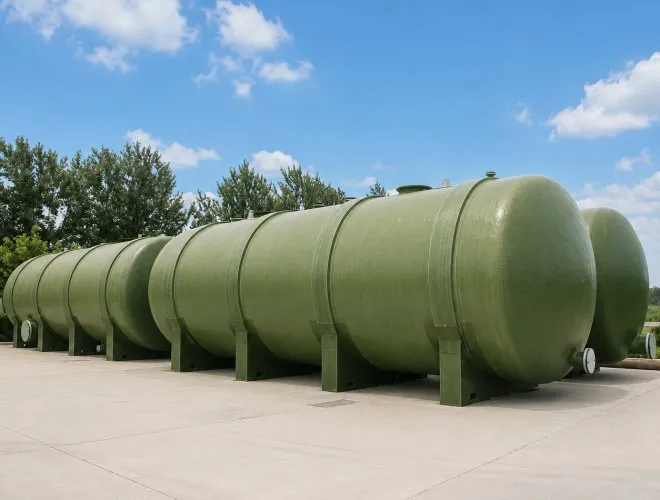
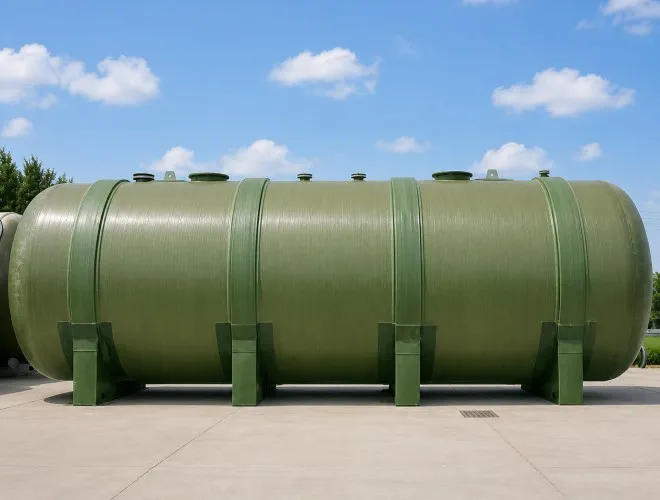
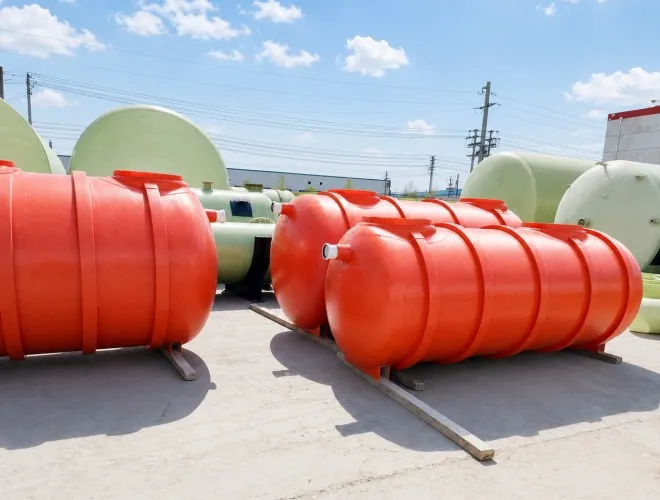
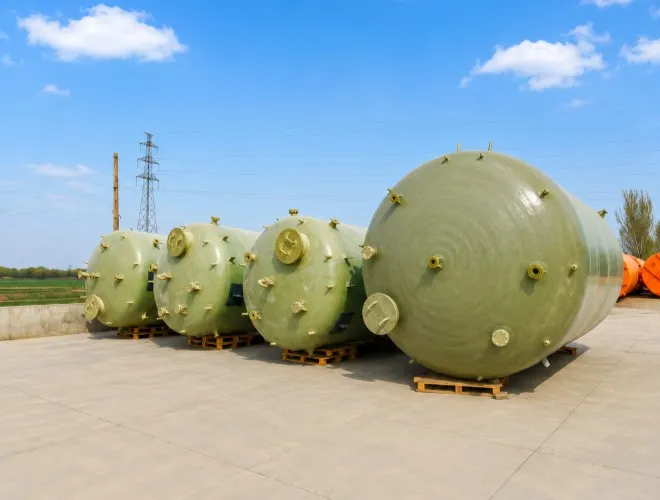
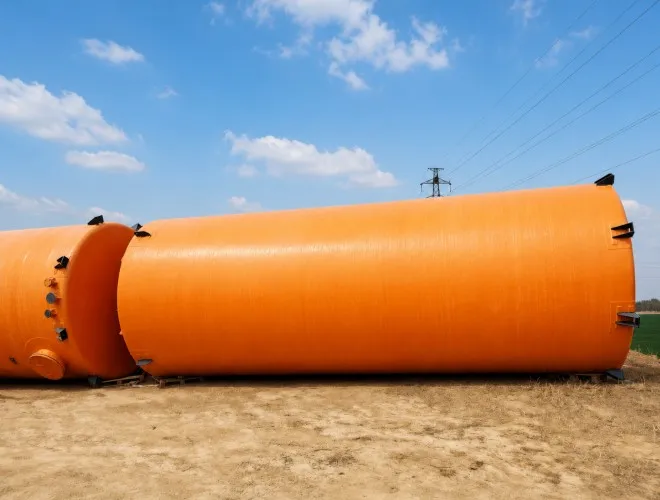
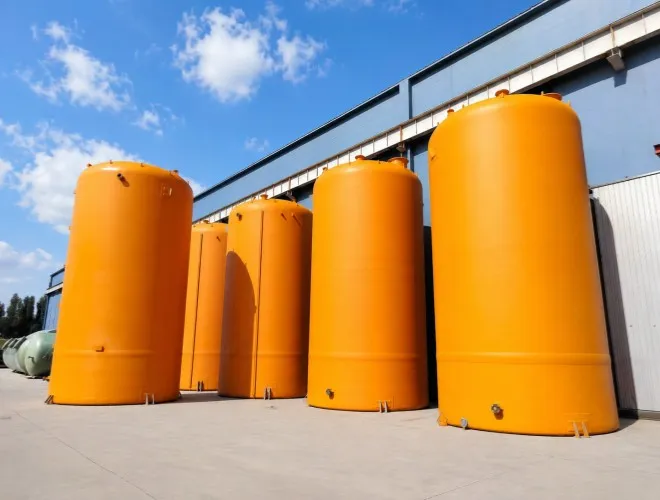
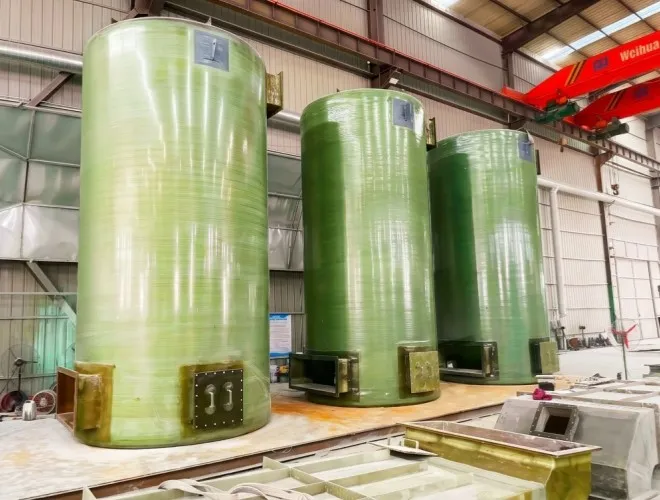
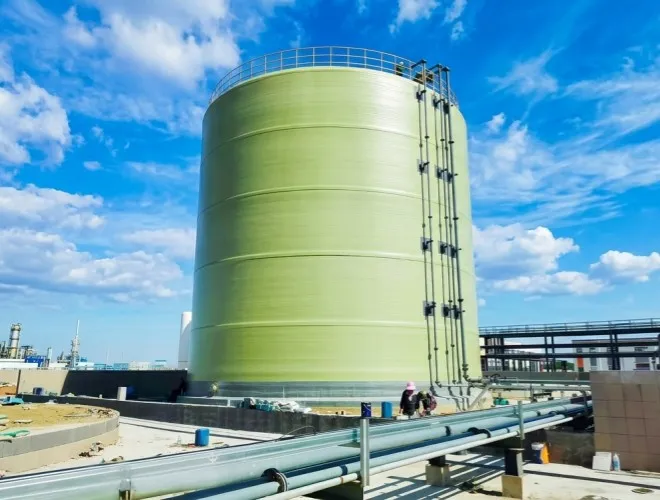
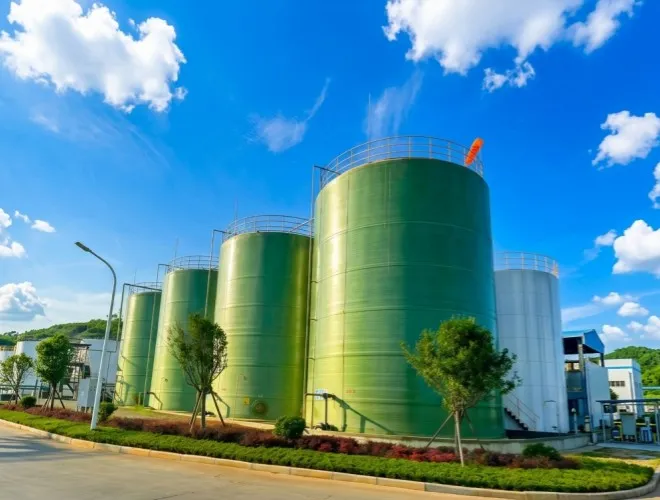
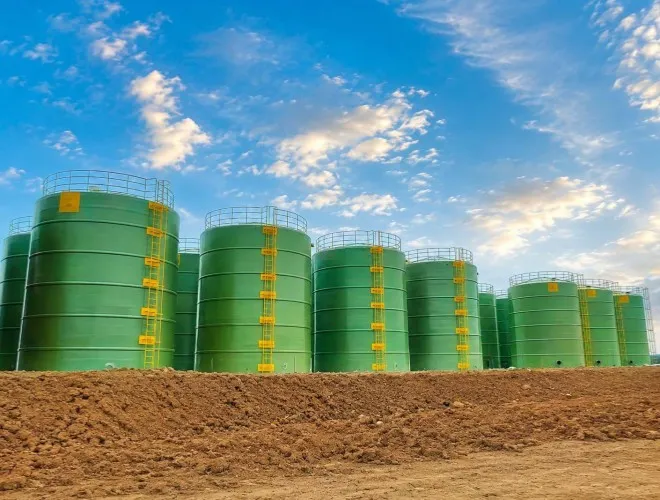
Municipal systems often require wastewater holding tanks, chemical dosing tanks, emergency collection vessels, pumping-station wet wells, manholes and inspection chambers. FRP allows these products to be manufactured as integrated shells with customized inlets, outlets, covers and access openings. The low weight can reduce lifting equipment requirements compared with many concrete alternatives, but lightweight underground products also require careful anti-flotation design. Bases, anchors, backfill and groundwater conditions must be considered together. Above-ground tanks require attention to wind, seismic action and connected piping. By coordinating equipment dimensions with civil drawings, installation conflicts can be reduced before products reach the site.
Pumping stations, drainage channels, treatment areas and utility corridors need covers and access platforms that remain safe in wet environments. FRP molded gratings, pultruded profiles, ladders, handrails and covers resist rust and can be fabricated in modular sections. Their lower weight helps crews handle panels during installation or maintenance. Open-area ratio, slip resistance, span, load class, deflection, fire performance and ultraviolet exposure should be selected for the actual location. For covers over sewage or wastewater, gas containment and sealing details may also be required. A complete design balances corrosion resistance with structural safety, access frequency and ease of removal.
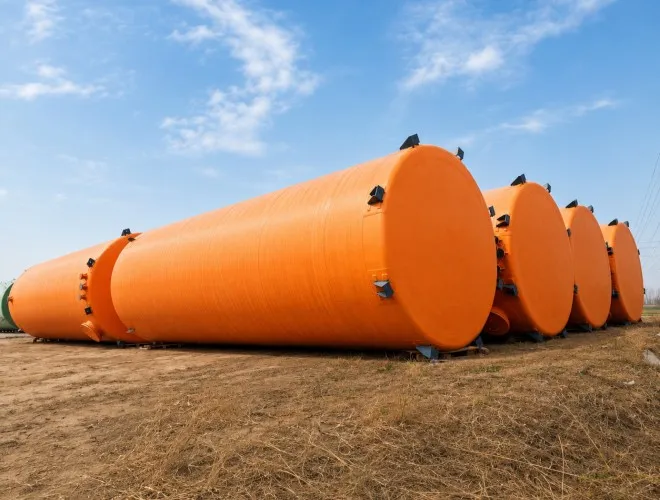
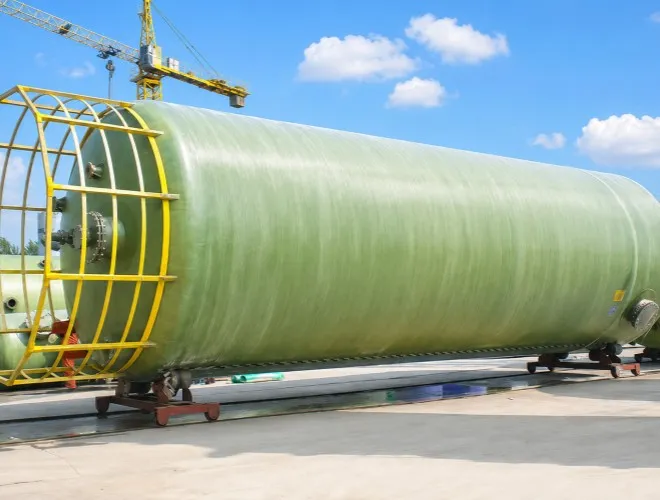
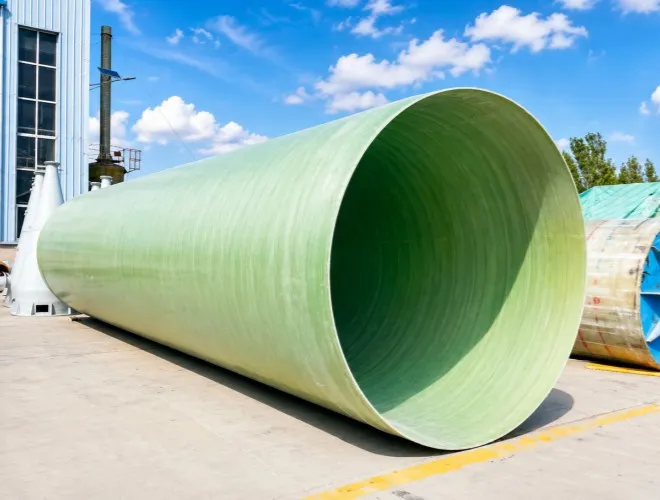
Municipal construction frequently takes place in restricted streets, existing plants or remote utility corridors. Heavy components can demand large cranes, extensive road closures and complex site logistics. FRP products are relatively light for their size, helping reduce lifting loads and making some sections easier to position. Large pipes and tanks can be factory-manufactured in transportable sections, then joined or assembled on site. However, low weight does not remove the need for correct handling: lifting points, slings, temporary supports and storage surfaces must protect the laminate. Installation instructions should be incorporated into the construction plan, not treated as an afterthought.
Concrete provides mass and stiffness but may be difficult to transport, can crack under settlement and may require protective linings in chemically aggressive sewage environments. Steel has high strength and familiar fabrication methods, yet corrosion protection can become a recurring maintenance item. FRP offers corrosion resistance through the material itself, smooth internal surfaces and flexible customization. It can be an effective alternative for many pipes, tanks, covers and access structures. The best choice still depends on load, temperature, fire requirements, impact risk, local construction practice and lifecycle cost. Yingnai focuses on selecting where FRP creates practical value rather than applying it indiscriminately.
Existing municipal facilities rarely match standard product dimensions perfectly. Renovation may involve irregular openings, limited crane access, old flange standards, embedded pipes or incomplete drawings. FRP can be fabricated and bonded into customized transitions, sleeves, covers, liners and connection pieces, making it useful for interface work. Accurate site measurement is essential, and allowance should be made for tolerances and installation sequence. When transportation is limited, components may be divided into manageable sections and joined at site using controlled procedures. Yingnai can work from customer drawings, measurements and interface data to develop products that fit the existing civil structure.
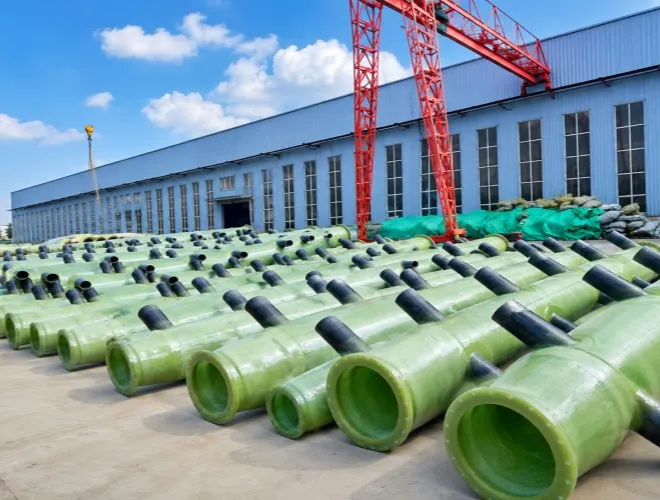
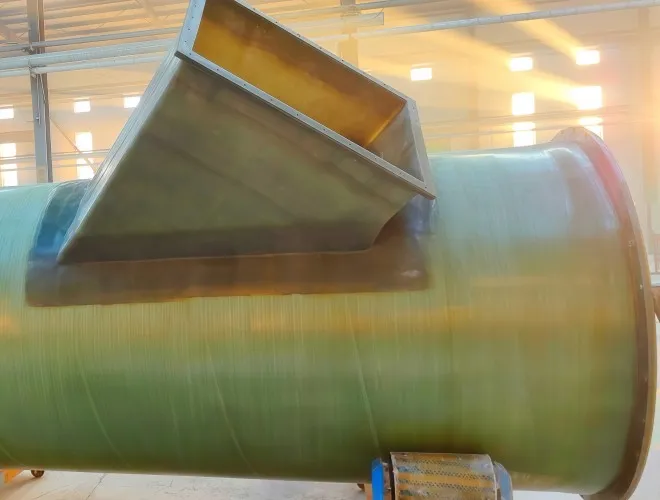
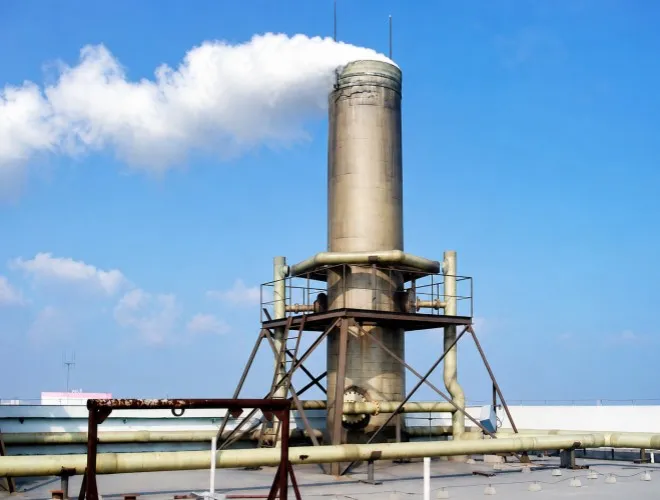
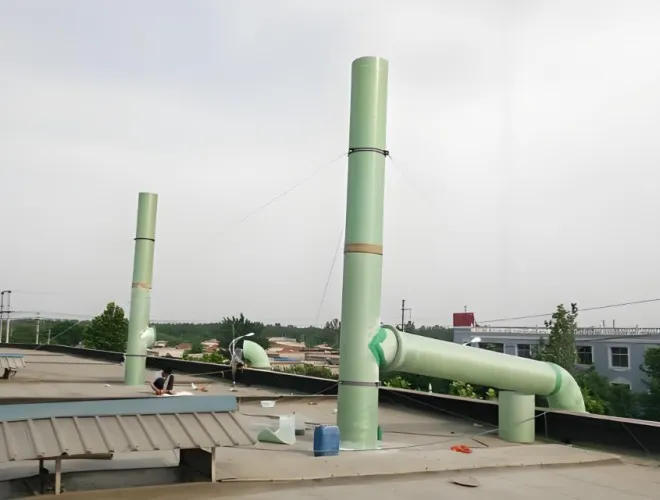
Yingnai manufactures filament-wound pipes and tanks as well as fittings, towers, ducts, gratings, pultruded profiles, cable trays and customized FRP products. This product breadth allows municipal customers to coordinate multiple categories through one supplier when appropriate. The company can review hydraulic, structural and environmental inputs, confirm dimensions and interfaces, then organize manufacturing and inspection. Its non-metallic material testing center supports evaluation of materials and products. Packaging and delivery can be planned around transport dimensions and project sequence, while documentation and installation guidance can be prepared according to the agreed scope.
Municipal infrastructure is judged by continuity of service, not only by completion of construction. A successful FRP system needs correct material selection, structural design, civil coordination, installation and inspection. Bedding, backfill, anchoring, jointing and support conditions are particularly important because field conditions directly influence performance. Periodic inspection should check settlement, exposed joints, supports, impact damage and changes in service. With a project-specific approach, FRP can help reduce corrosion-related repairs, shorten maintenance shutdowns and provide durable infrastructure that remains practical for operators throughout its intended life.
 English