Please provide the medium, concentration, temperature, density, volume, pressure or vacuum, tank orientation, installation location, nozzle requirements, standards, and drawings. More complete process data allows more accurate material selection and structural design.
Resin selection is based on the exact chemical medium, concentration, temperature, contaminants, operating cycle, and cleaning method. Yingnai reviews chemical compatibility and may recommend a corrosion barrier, vinyl ester system, polyester system, or liner according to the duty.
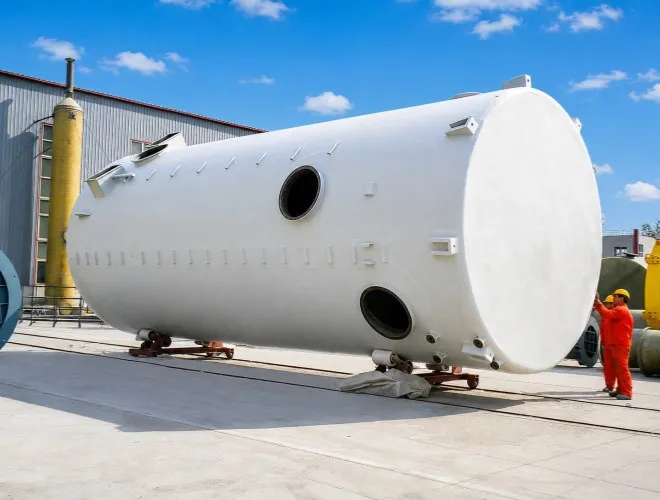
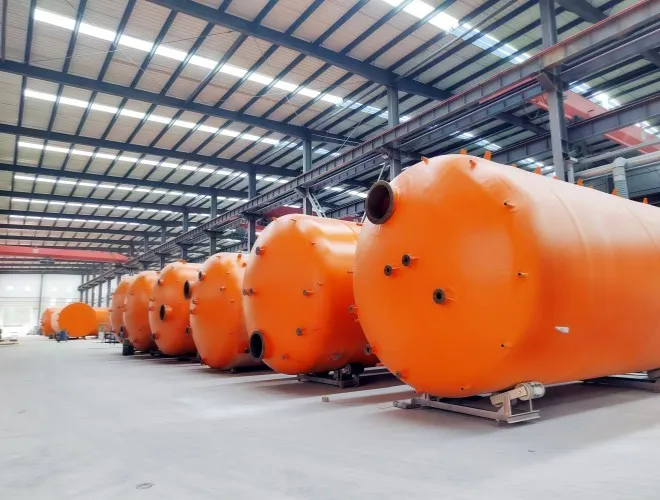
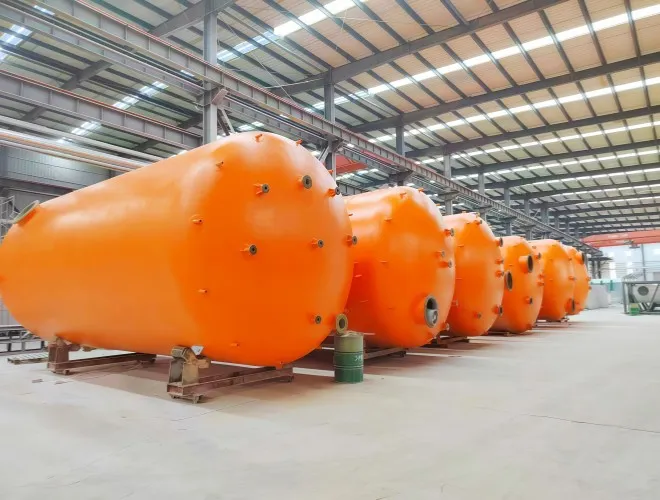
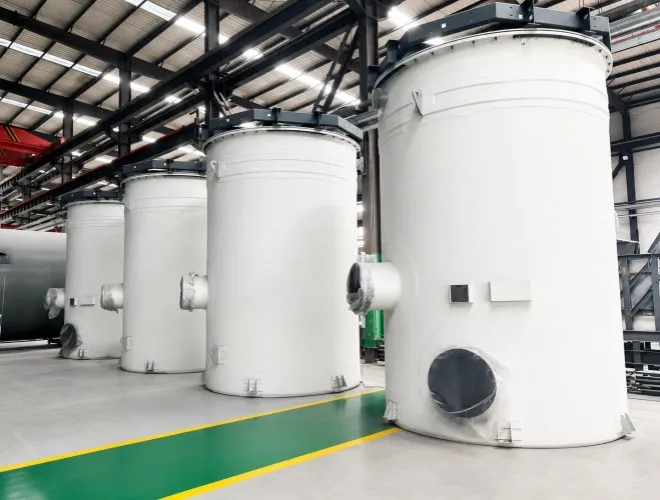
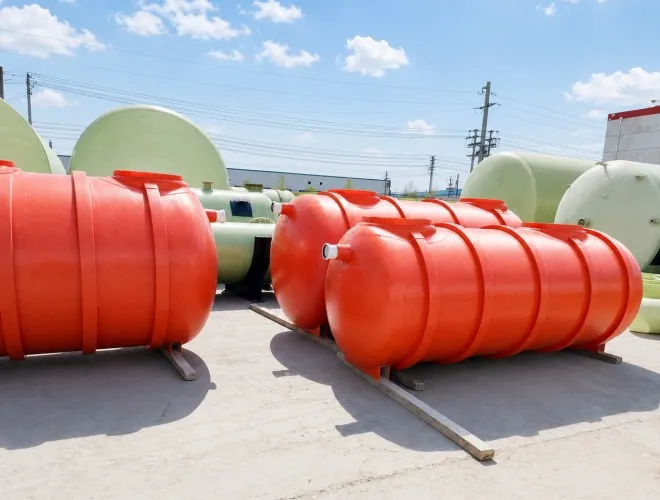
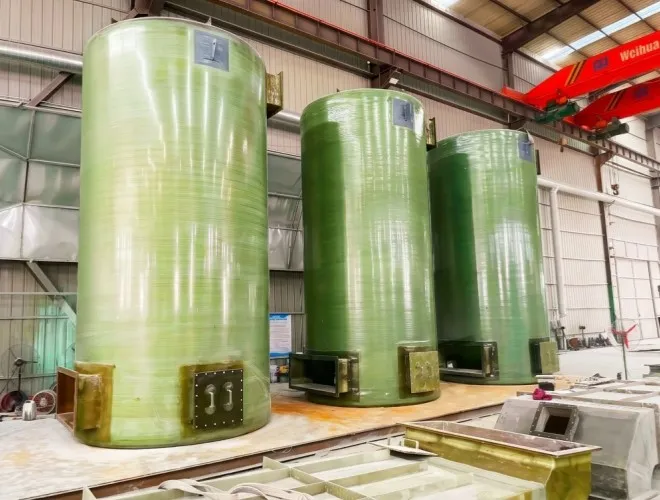
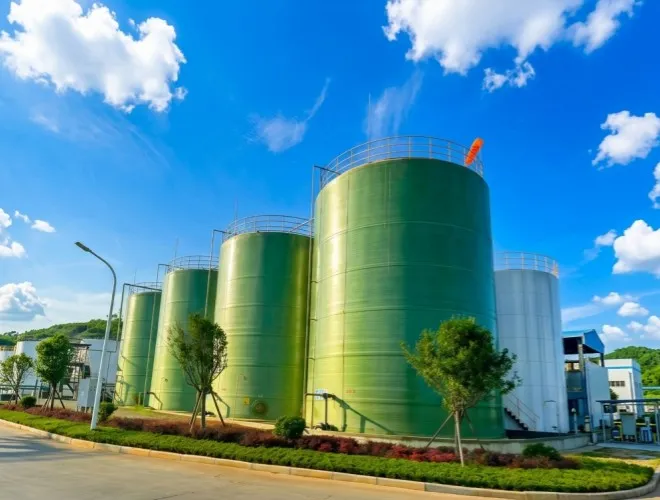
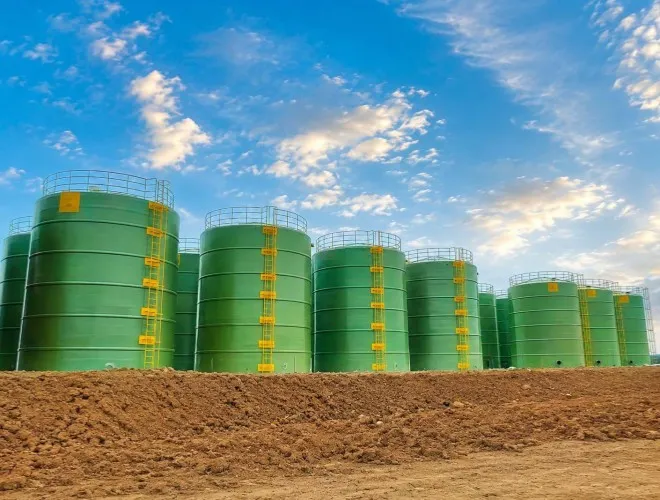
Yes. Tanks, pipes, towers, ducts, fittings, gratings, profiles, nozzles, internals, supports, and special assemblies can be manufactured to project drawings, dimensions, service conditions, and connection standards, including project-specific colors and surface finishes where technically suitable.
Before production, the application medium, temperature, pressure, structural loads, installation environment and interface requirements are reviewed. Materials, dimensions and product configurations are then coordinated through approved drawings, controlled manufacturing and inspection, helping each product fit the project’s actual operating conditions.
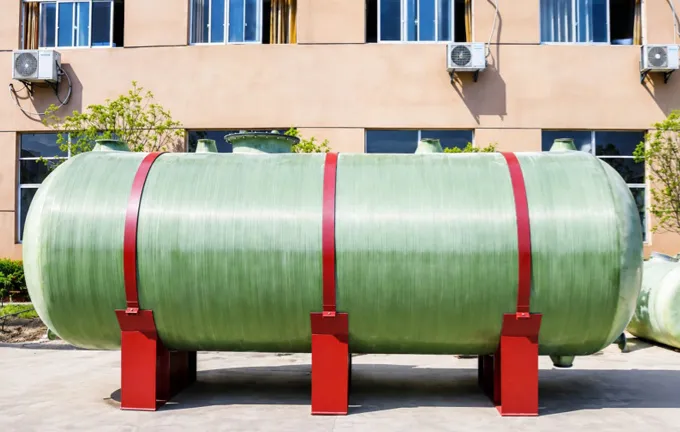
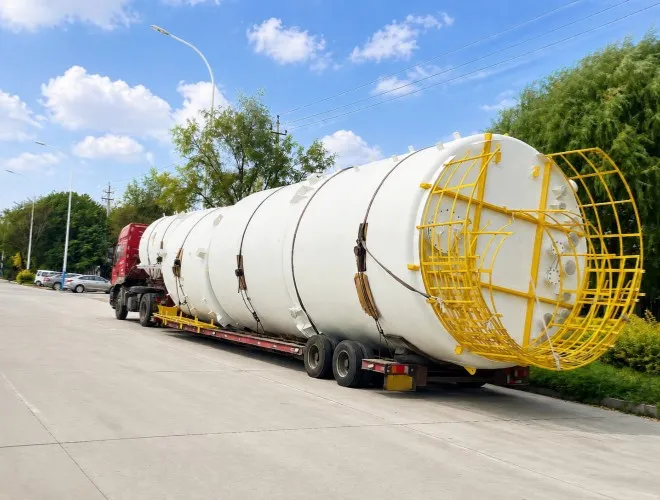
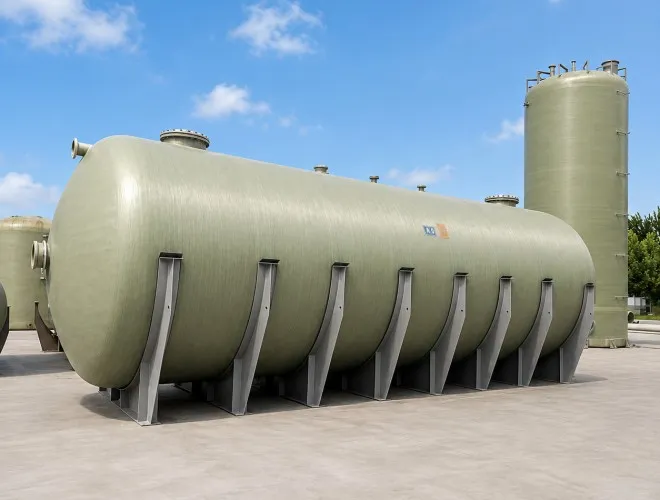
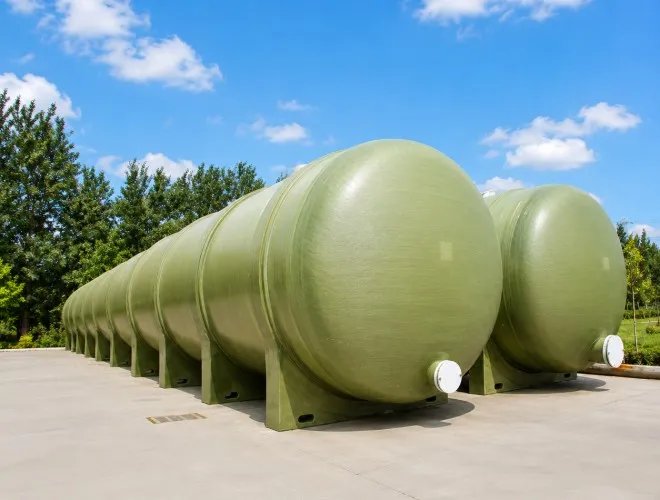
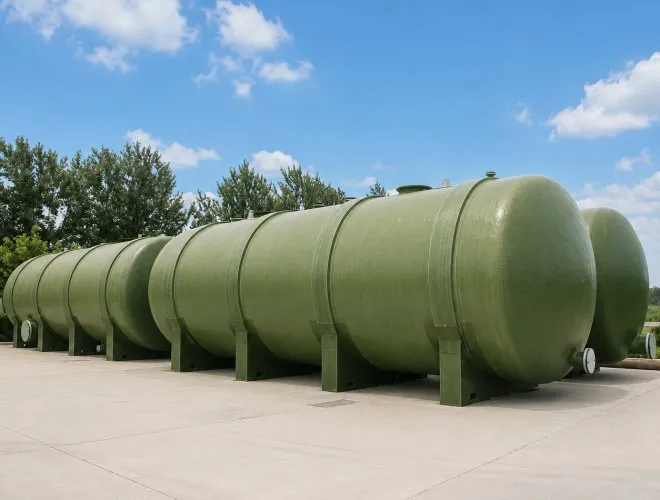
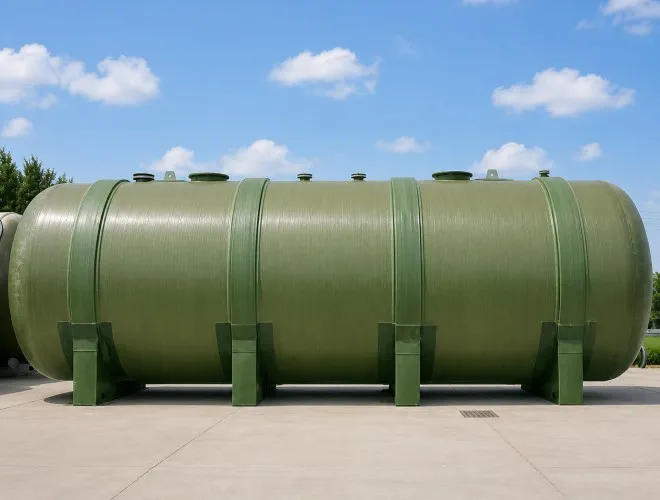
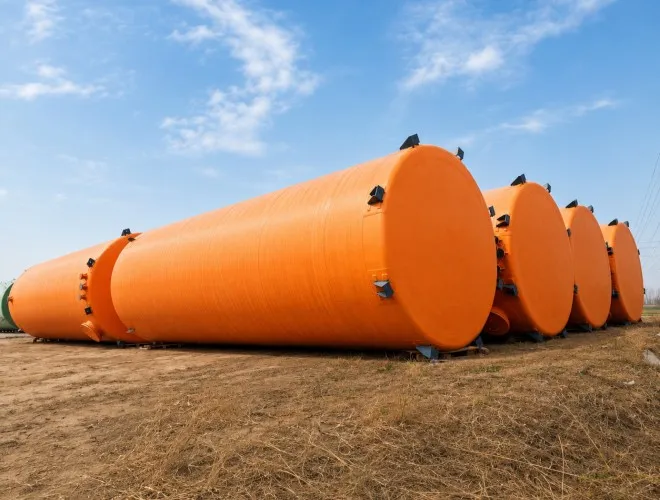
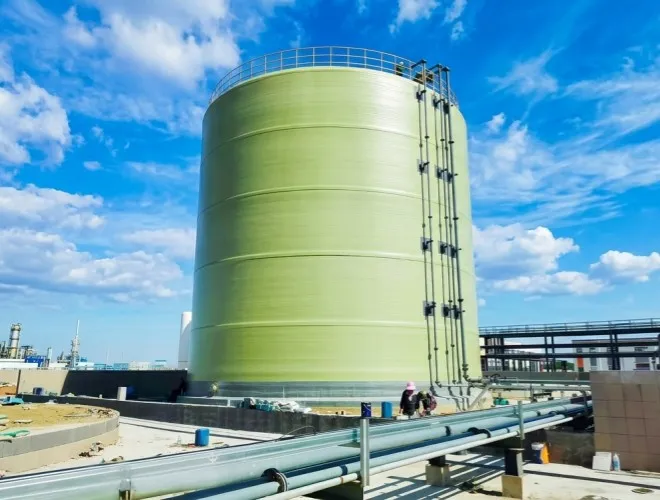
Large field-wound FRP tanks can be considered when complete factory-built transport is impractical. Site access, foundation, weather protection, power, material storage, inspection, and construction sequencing must be reviewed before confirming the plan.
We ask three questions: what chemical will the product contact, at what concentration, and at what temperature. Based on your answers, we recommend the right resin system — isophthalic polyester for moderate environments, vinyl ester for aggressive acids and solvents, or specialized formulations for high-temperature or fire-rated applications. Our recommendation is always backed by corrosion resistance data, not guesses.
Yes. We do on-site filament winding for tanks too large to transport by road. Our on-site winding capability handles diameters up to 25 meters. The equipment travels to your location as a modular kit, is assembled on-site, and the tank is wound directly at its final installation position. No heavy haulage, no transport damage risk, no size compromise.
Four things: diameter and wall thickness, resin system, design pressure, and order quantity. A vinyl ester-lined tank costs more than a standard polyester tank because the resin is more expensive and the layup is more demanding. But if the chemical environment requires it, cutting cost on resin means cutting service life. We quote transparently — you see what you are paying for.
Yingnai is an FRP/GRP manufacturer in Hebei, China, with production, testing, customized fabrication, inspection, packing, and export-support capabilities. The factory supports standard products and engineered project packages for domestic and international customers.
Samples and small trial quantities can be discussed depending on the product, tooling, material, dimensions, and freight. Availability, cost, and the commercial arrangement should be confirmed during quotation for each inquiry.
Lead time depends on product complexity, quantity, raw materials, drawing approval, inspection requirements, and shipping arrangements. A project-specific production and delivery schedule is provided after technical and commercial confirmation of the order.
Quality control includes requirement review, raw-material checks, process monitoring, dimensional and visual inspection, agreed testing, documentation, and corrective-action procedures. The exact inspection plan is defined by the product and contract.
Yingnai gathers operating data, photographs, drawings, and production records, then coordinates engineering, production, and quality review. Findings and proposed solutions are communicated with the customer for an agreed resolution based on documented evidence.
Remote technical guidance and project coordination are available. On-site support can be discussed according to destination, project scope, schedule, visa, safety, travel responsibilities, and commercial arrangements agreed in advance before travel.
Project-specific inspection records and testing documentation can be discussed before production. The available methods, report format, sampling, witnessing, and CNAS-related scope must be confirmed in the contract and final quotation.
Yingnai owns and operates its own production facility in Hengshui, Hebei. We do not outsource manufacturing. Clients are welcome to visit the factory.
We run three checkpoints: (1) raw material inspection before production; (2) in-process sampling during winding and curing; (3) final inspection including dimensional checks, Barcol hardness, and hydrostatic testing where applicable. Every order gets documented test records.
Yes. First-time buyers can place a small order to evaluate product quality and service. We do not set a minimum order quantity on the first transaction.
We provide standard product samples at no charge. The buyer covers the shipping cost. For custom-spec samples, we’ll confirm feasibility and cost case by case.
Stock items ship within 5 to 10 days. Made-to-order products typically take 15 to 20 days, depending on quantity and complexity. We confirm a firm delivery date before you place the order.
We have an in-house engineering team that reviews every project before production — not just taking orders. They check material selection, structural design, and cost-efficiency so you do not overpay for unnecessary specs or undershoot on critical requirements. We also run a CNAS-accredited testing lab, which most factories our size do not.
When a customer reports an issue, our quality team, production lead, and engineers review the case together within 24 hours. We identify the root cause, propose a corrective action, and share findings with the customer transparently. The goal is to fix the problem and make sure it does not happen again — not to assign blame.
Yes. About 40% of our output is custom work. We manufacture to client drawings and specifications, including non-standard diameters, custom flange patterns, specific resin systems, and hybrid layup designs. Send us your requirements and our engineering team will review feasibility within 48 hours.
For standard products we supply installation manuals and can guide your local contractor remotely. For large or complex projects — on-site wound tanks, long pipeline systems, scrubber installations — we dispatch engineers to your site for supervision and commissioning. We have technical staff who work in English, Russian, and Spanish.
 English