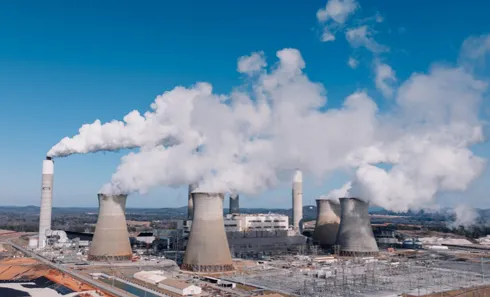
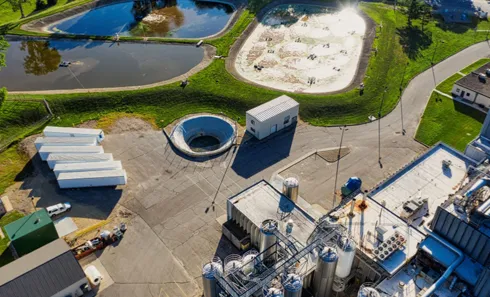
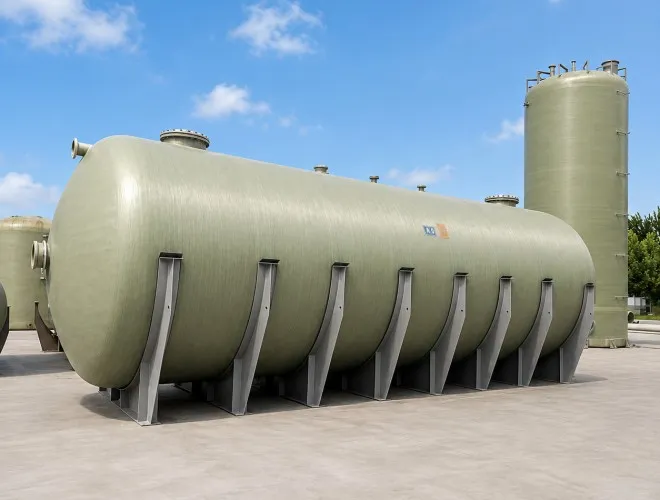
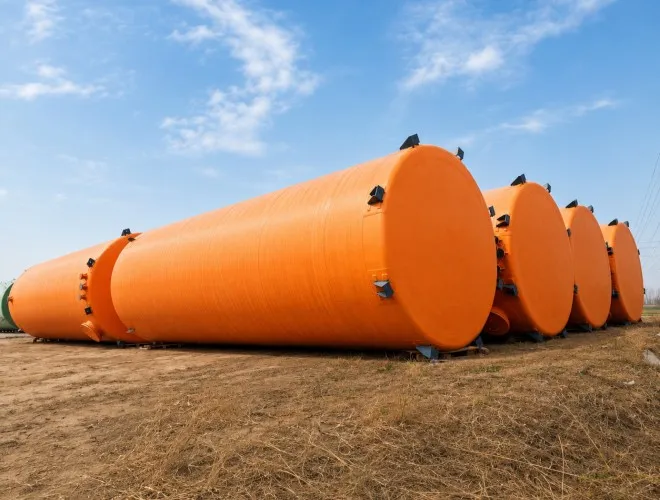
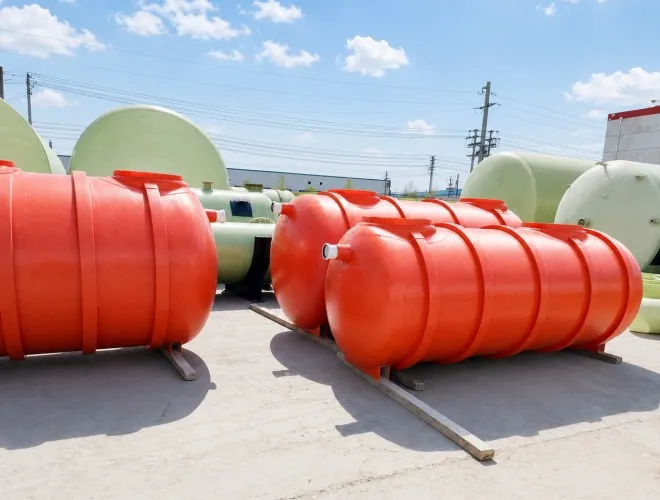
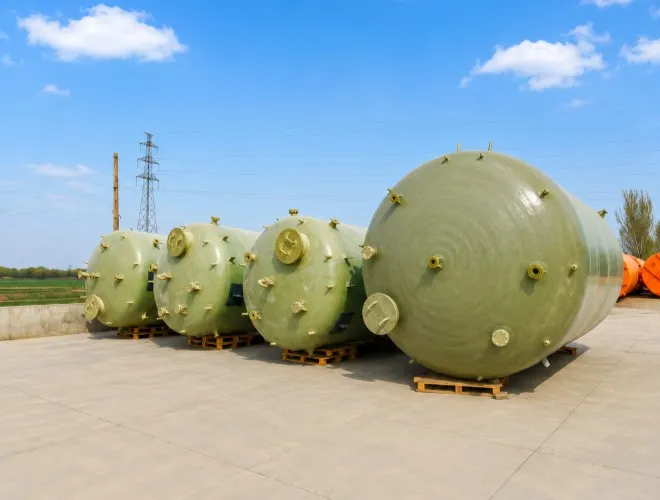
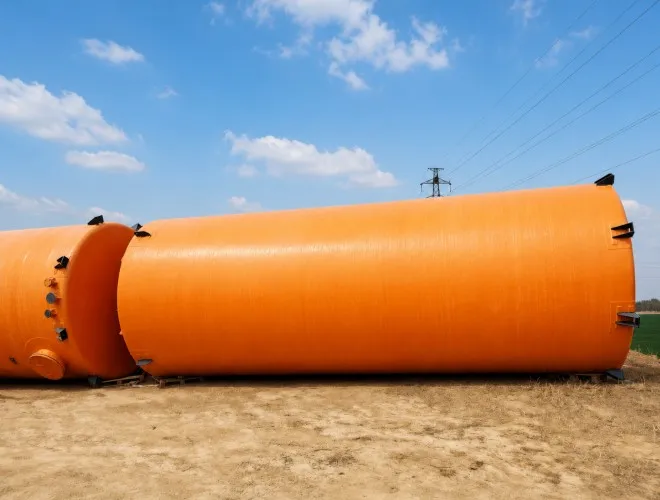
Industrial air-pollution-control systems collect, convey, treat and discharge exhaust containing moisture, chemical vapor, mist, odor or particulates. Yingnai manufactures FRP/GRP scrubbers, absorption towers, ducts, chimneys, circulation tanks, piping and custom internals for these systems. Corrosion-resistant composite construction, smooth internal surfaces and flexible large-diameter fabrication help equipment withstand wet service, support stable airflow and reduce maintenance. Products can be customized around gas composition, temperature, pressure, structural loads and site installation conditions. Related tanks, piping, platforms and access components can also be coordinated to create a more complete gas-treatment package.
Waste gas is often more aggressive after it cools. Moisture condenses on duct and tower surfaces, dissolving acidic or alkaline components and creating a concentrated liquid film. Chemical mist and scrubbing liquor can further attack joints, supports and lower sections where condensate collects. Metal equipment may require expensive alloys, rubber linings or repeated coating repair. FRP combines a corrosion-resistant inner surface with a glass-fiber structural laminate, allowing the gas-contact layer and mechanical strength to be designed for the same piece of equipment. This makes it especially useful in wet scrubbing, acid-gas treatment, odor control and corrosive ventilation.
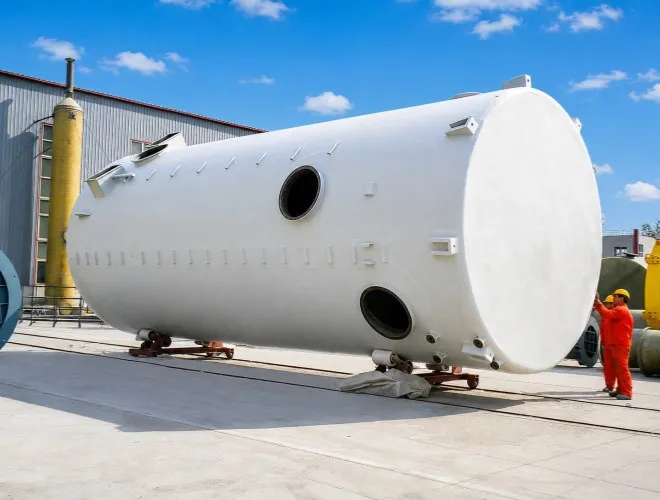
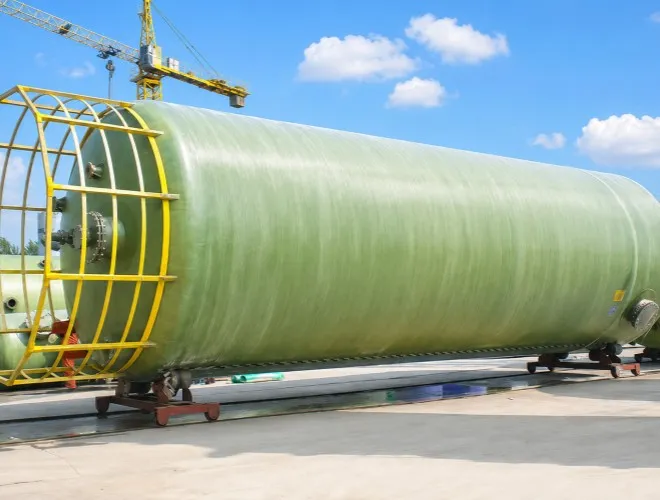
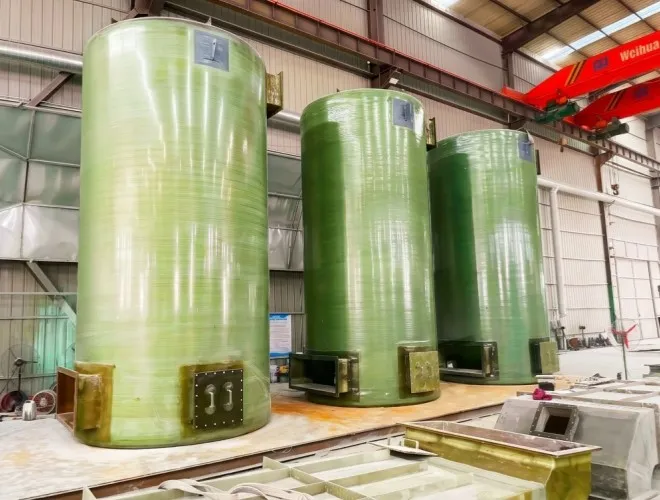
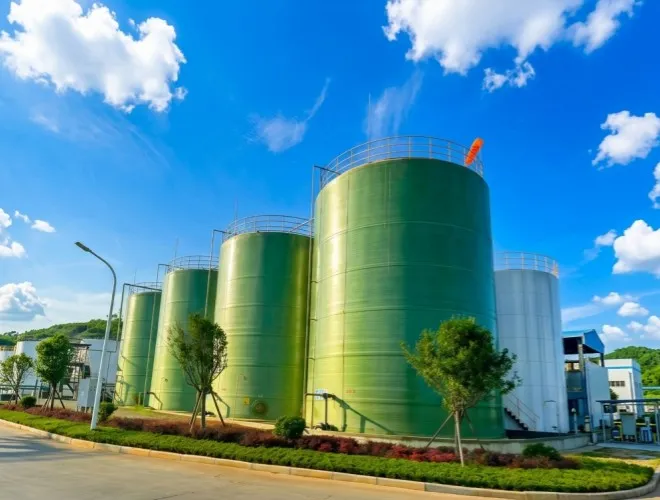
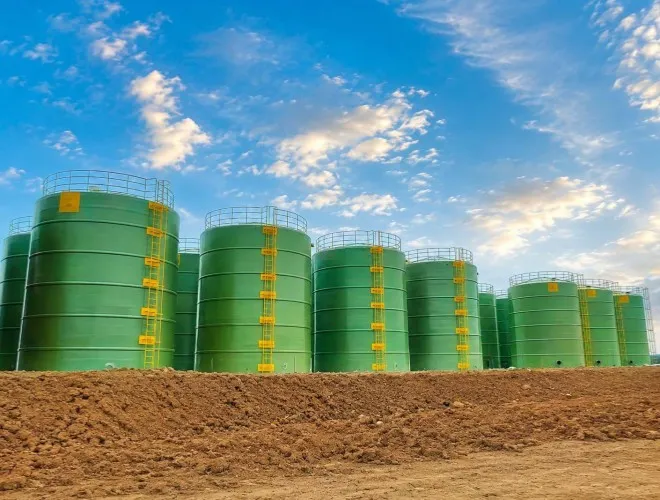
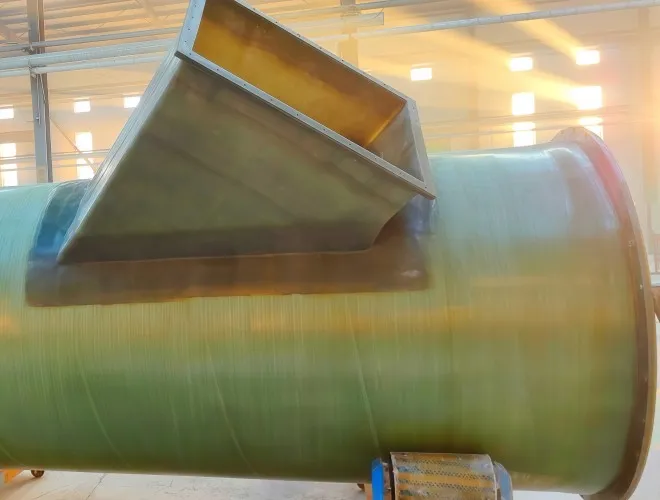
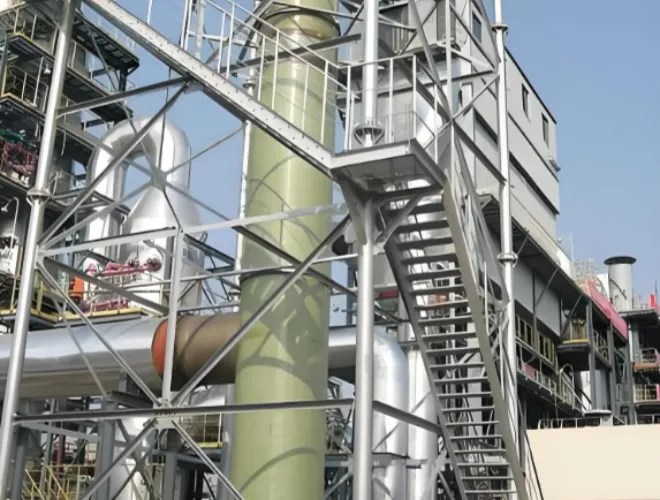
FRP scrubbers and towers can be designed for packed beds, spray sections, absorption, neutralization and project-specific treatment processes. The shell must resist not only chemical attack but also liquid weight, pressure or vacuum, wind, seismic action and loads from platforms, piping and internals. Filament winding provides continuous reinforcement for cylindrical shells, while hand lay-up and secondary bonding complete nozzles, manways, flanges, supports, transitions and local reinforcement. Internal surfaces can be formulated for the process gas and circulation liquid. Tower diameter, height, access, packing support and mist-elimination arrangement should be coordinated with process design before manufacture.
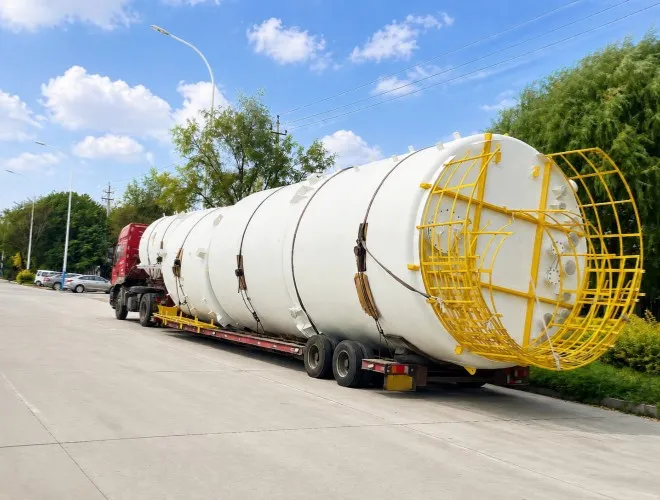
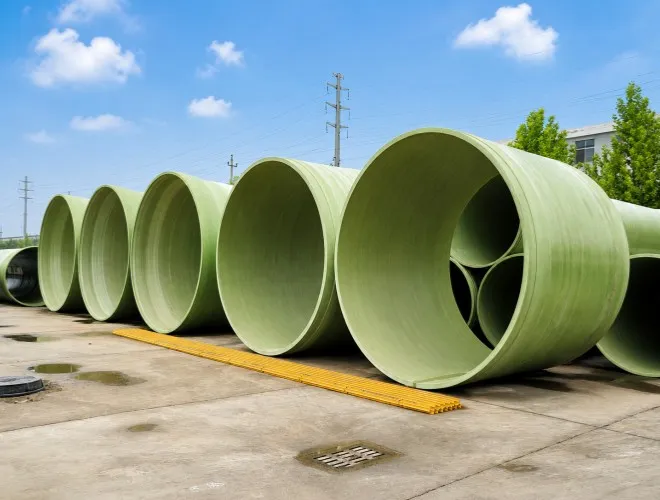
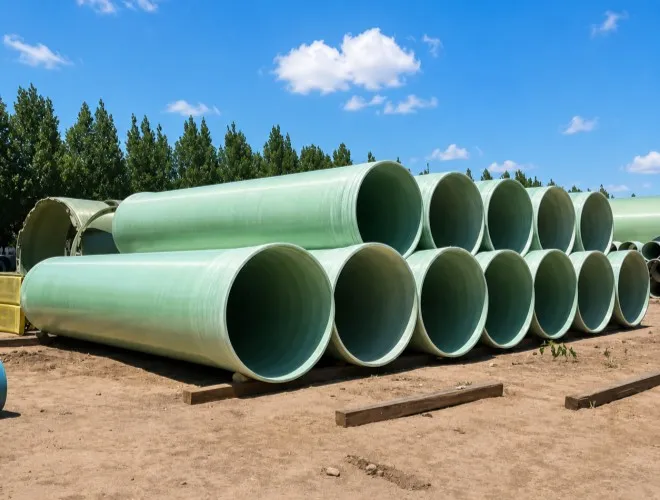
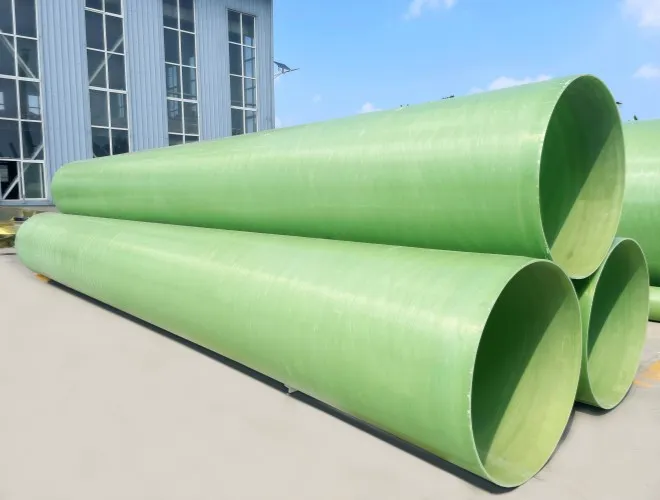
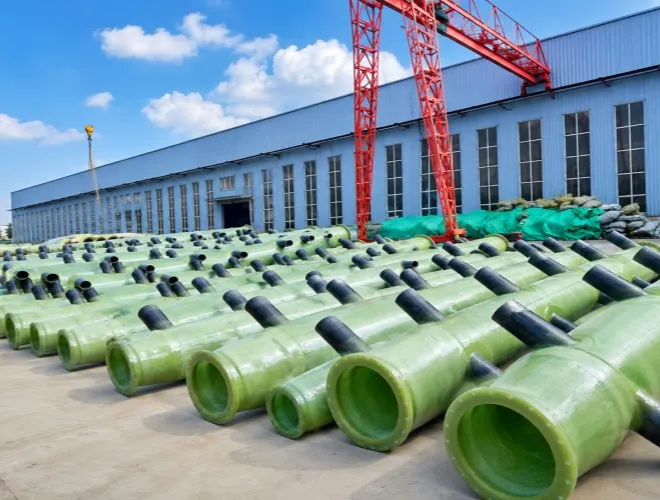
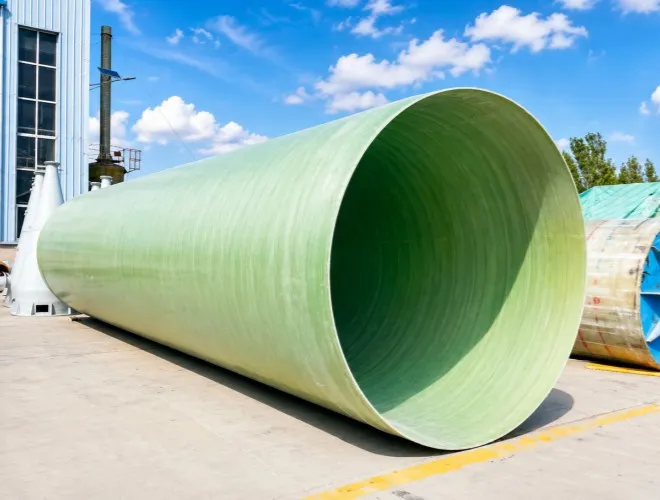
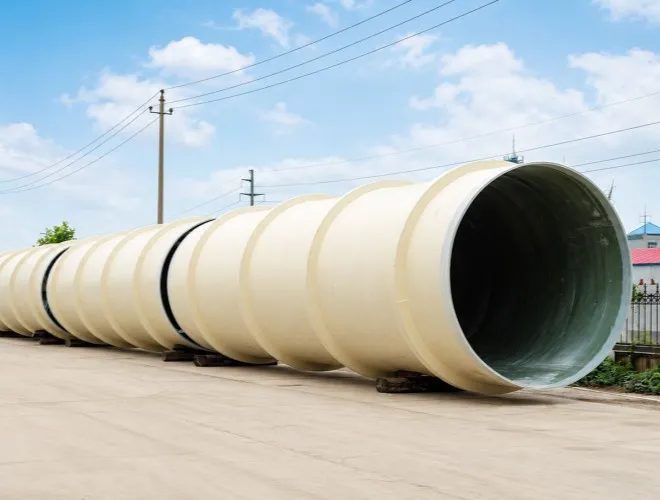
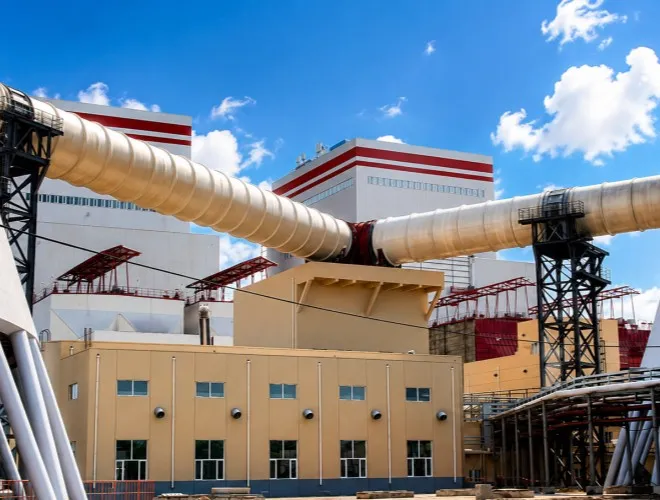
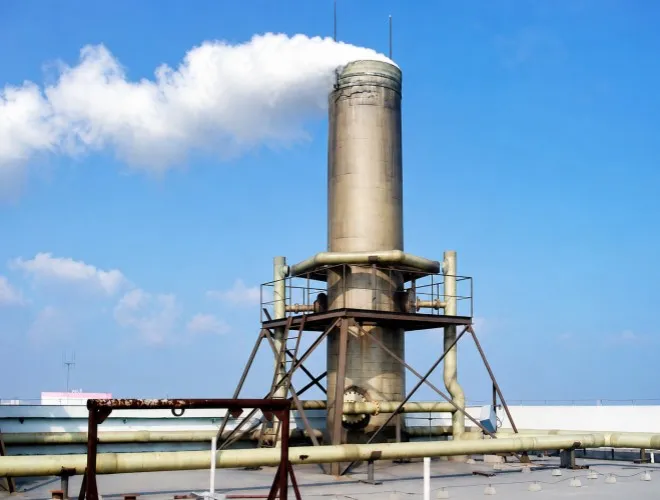
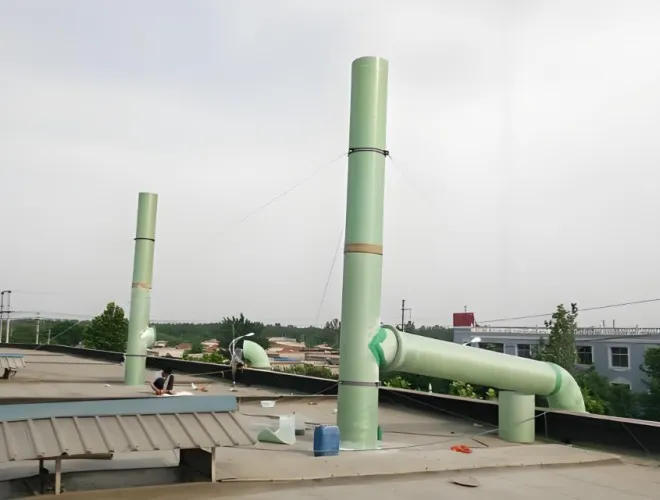
FRP is well suited to large ducts and chimneys because it can be fabricated in wide diameters with relatively low weight. This can reduce crane loads and simplify the installation of elevated or long duct sections. Smooth internal surfaces help limit airflow resistance and deposits, while custom elbows, reducers, branches and transitions allow the duct network to follow plant layout. Structural design must consider positive or negative pressure, wind, vibration, support spacing, ovalization, thermal movement and connected-equipment loads. Large sections may be produced in transportable lengths and joined at site, or fabricated on site when access and shipping dimensions are restricted.
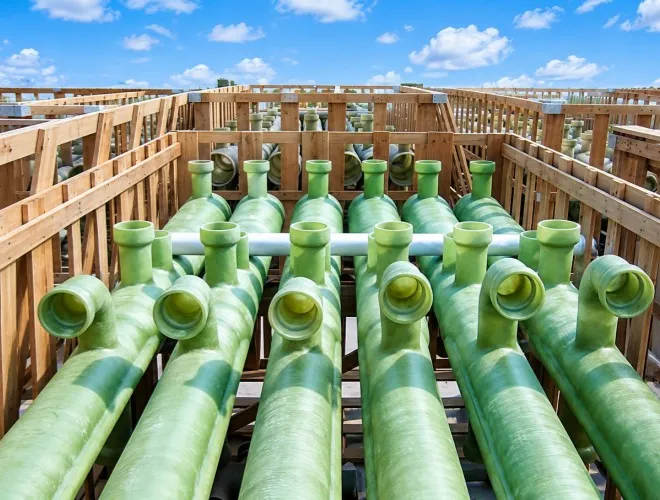
Many exhaust-system failures begin at small details rather than the main shell. Low points need effective drains so acidic condensate does not remain trapped. Flanges and joints must be sealed and supported without creating excessive local stress. Spray nozzles, distribution pipes, packing supports, demister frames and access doors should use compatible materials and allow maintenance. Where solids or droplets cause erosion, wear-resistant liners or replaceable protection may be required. Correct internal geometry also prevents liquid carryover and uneven gas distribution. Yingnai can coordinate these fabricated details with the overall FRP shell so the equipment functions as an integrated treatment unit.
Resin selection should consider both the gas phase and the liquid phase. The circulation solution, absorbed contaminants, cleaning chemicals, temperature, moisture content and abnormal operation can all influence compatibility. Vapor areas above the liquid line may have different exposure from submerged sections, and temperature may vary along a duct or chimney. The corrosion barrier can therefore be adjusted by zone when necessary. Polyester, vinyl ester or other appropriate resin systems may be evaluated, but no resin should be chosen only from a generic industry name. Actual service data and compatibility information are required to establish a suitable laminate.
Coated steel is familiar and structurally strong, but pinholes, mechanical damage and aging can expose the substrate to rapid corrosion in wet exhaust service. Rubber-lined steel adds protection but increases fabrication and inspection complexity. Special alloys can perform well but may become costly for large-diameter towers and ducts. FRP provides corrosion resistance throughout its resin matrix, lower weight and flexible fabrication of large shapes. It can reduce repainting and lining repair, although it still requires attention to temperature, fire behavior, static electricity, ultraviolet exposure and impact. Flame-retardant or conductive designs may be considered when the process specification requires them.
FRP equipment behaves differently from steel, so support design must respect composite material characteristics. Duct saddles should distribute loads over sufficient area, clamps should not crush the laminate, and supports must allow controlled thermal movement. Flexible connections may be needed between fans, scrubbers and stacks to avoid transferring vibration or misalignment. Vertical chimneys require checks for wind, dynamic response, guying or self-supporting structure, anchor loads and foundation interface. During lifting, slings and spreader beams should use designated points. Site joints must be completed under controlled conditions with suitable surface preparation, resin, reinforcement and curing.
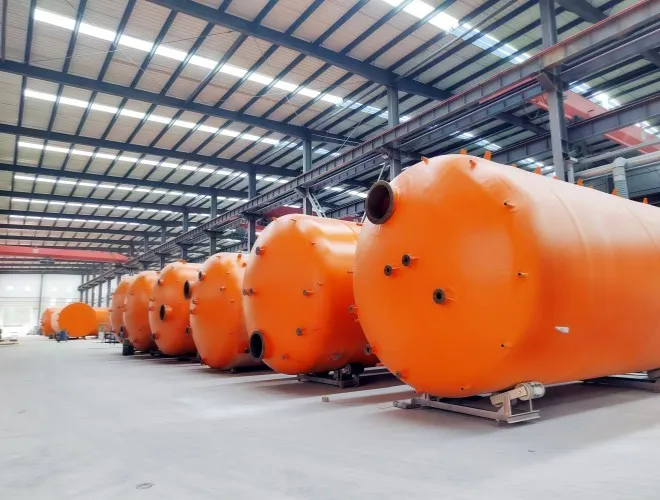
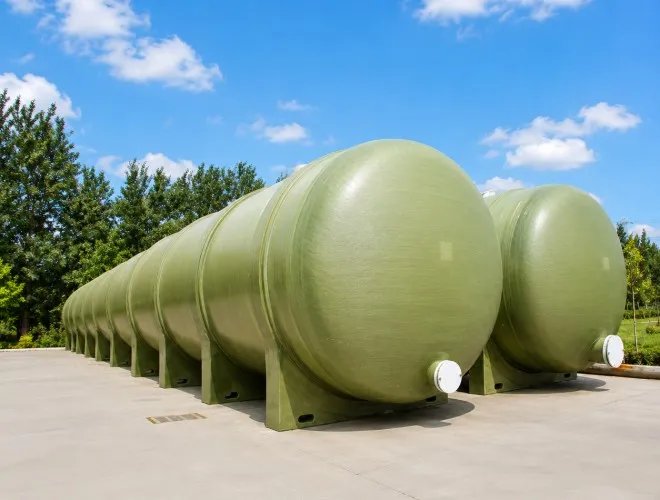
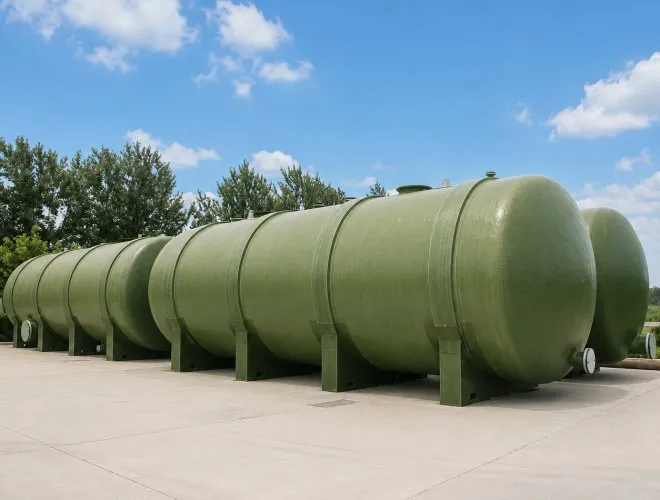
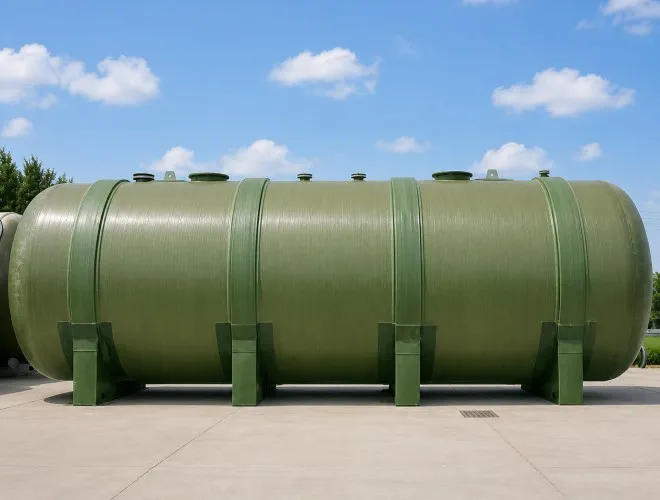
Yingnai’s product range includes FRP towers, scrubbers, ducts, chimneys, tanks, pipes, fittings, gratings, profiles and custom components. Filament winding supports stable production of cylindrical shells, and complementary fabrication methods allow complex internals and transitions to be integrated. The company can review gas and liquid data, process layout, dimensions, loads and transport limitations before confirming the product structure. Its non-metallic material testing center supports material and finished-product evaluation. Customers can also coordinate related circulation tanks, piping, platforms and access components with the main treatment equipment.
An air-pollution-control system performs only as well as its interfaces. A corrosion-resistant scrubber cannot compensate for poorly drained ductwork, unsupported nozzles or unsuitable field joints. Process design, composite structure, supports, drainage, access and installation must therefore be considered together. Regular inspections should focus on joints, supports, condensate zones, vibration points, internal wear and changes in operating temperature or chemistry. By treating the tower, duct network, circulation system and structural connections as one coordinated package, Yingnai aims to provide FRP equipment that supports stable treatment efficiency and manageable maintenance over the system lifecycle.
 English