Hebei Yingnai Environmental Protection Technology Co., Ltd.
Contact
FRP Pultruded

FRP Pultruded

Get a Quote

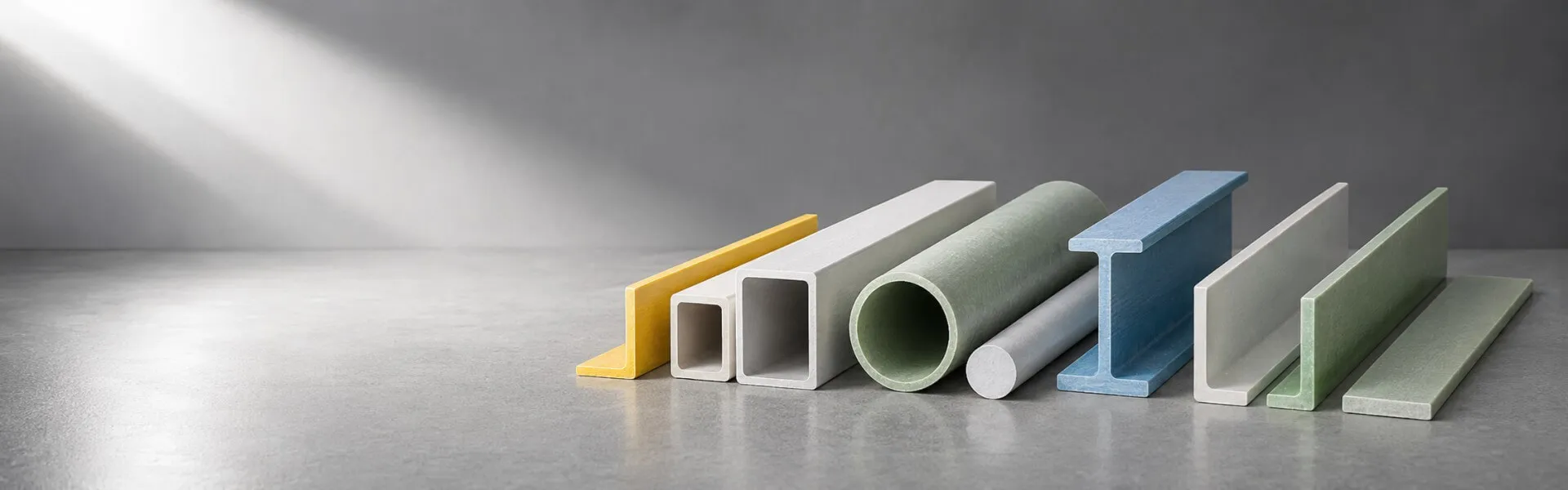
Types of FRP Pultruded

FRP Angle

FRP Angle

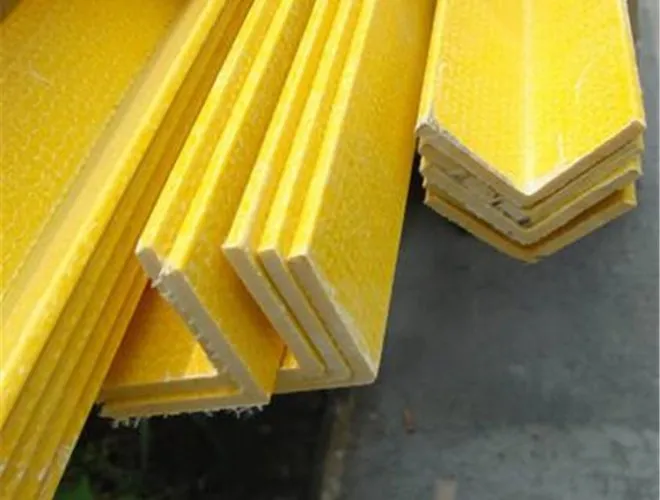
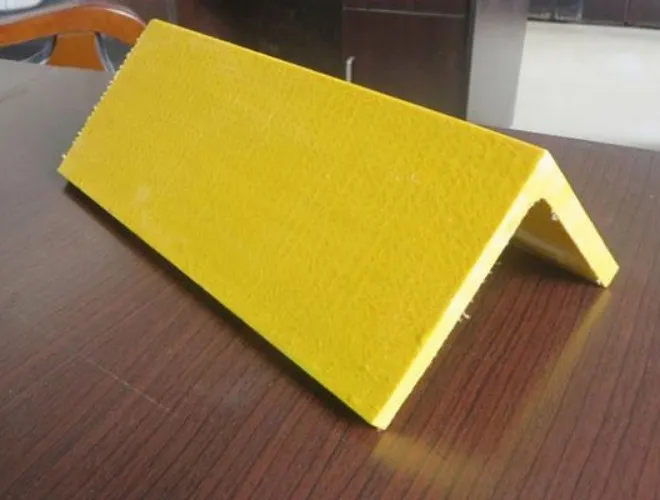
FRP Angle profiles support frames, bracing and equipment in corrosive environments. Selection depends on structural load, connection requirements, leg dimensions and thickness.
FRP Square Tube

FRP Square Tube

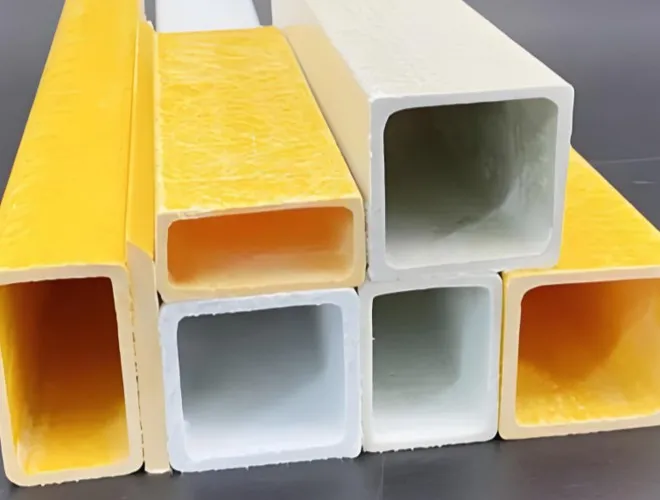
FRP Square Tube is suited to frames, handrails, supports and modular structures that benefit from a closed section with balanced geometry.
FRP L Angle

FRP L Angle

FRP L angle is used for edge reinforcement, equipment framing, panel support and lightweight corrosion-resistant connections.
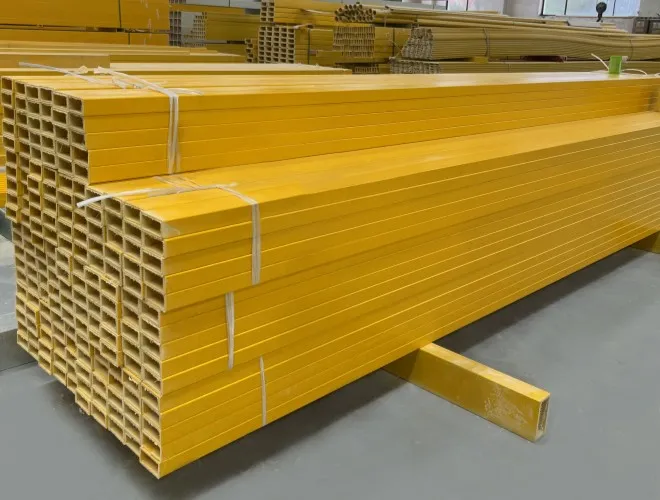
FRP Rectangular Tube

FRP Rectangular Tube

FRP Rectangular Tube is chosen when a closed structural section needs different bending stiffness in two directions, making it useful for frames, beams and equipment supports.
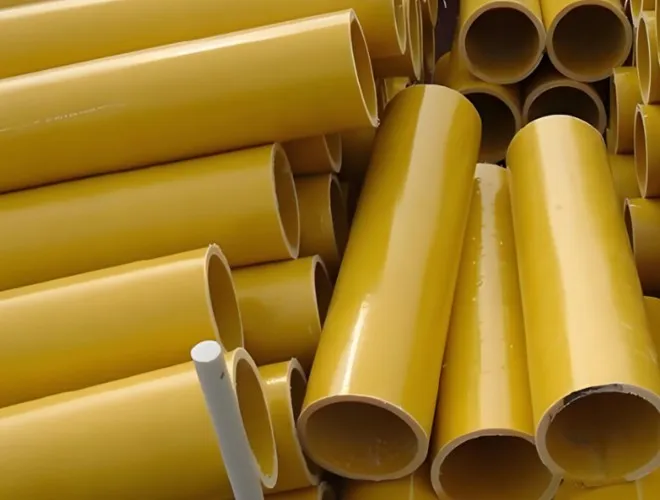
FRP Round Tube

FRP Round Tube

FRP Round Tubes are used for handrails, supports, frames and insulating structures. Selection depends on load, connection requirements, outside diameter and wall thickness.
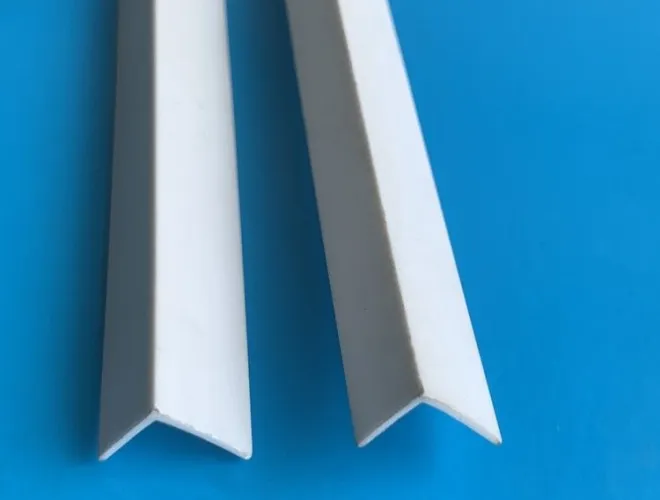
FRP Angle Trim

FRP Angle Trim

FRP angle trim is intended for corner protection, panel edging and equipment finishing rather than primary structural support.
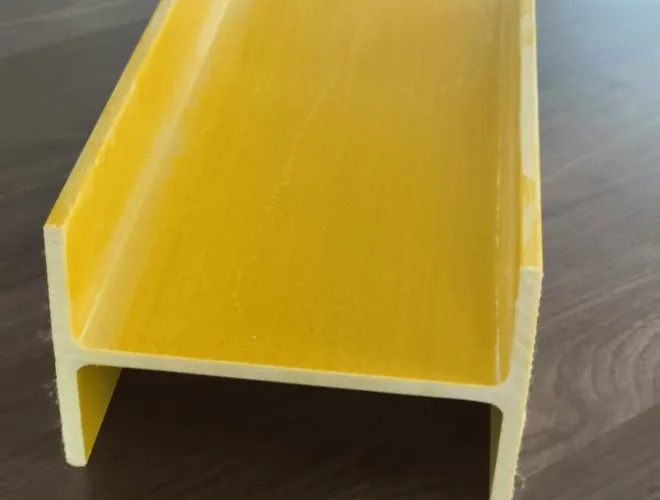
FRP I-Beam

FRP I-Beam

FRP I-Beams provide structural support for platforms, equipment frames, pipe supports and walkways. Selection depends on load, span, beam depth, flange width and thickness.
FRP Channel

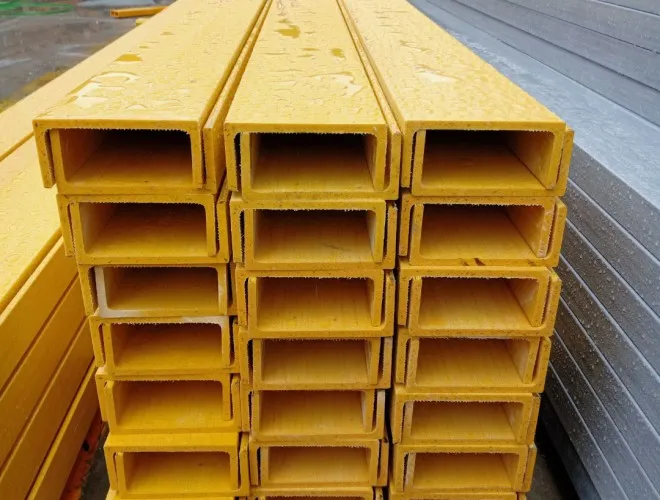
FRP Channel

FRP Channel is a versatile open profile for equipment frames, platform beams, ladder rails and other corrosion-resistant supports. Load, span and connection arrangement determine channel depth, flange width and thickness.
FRP Drain Channel

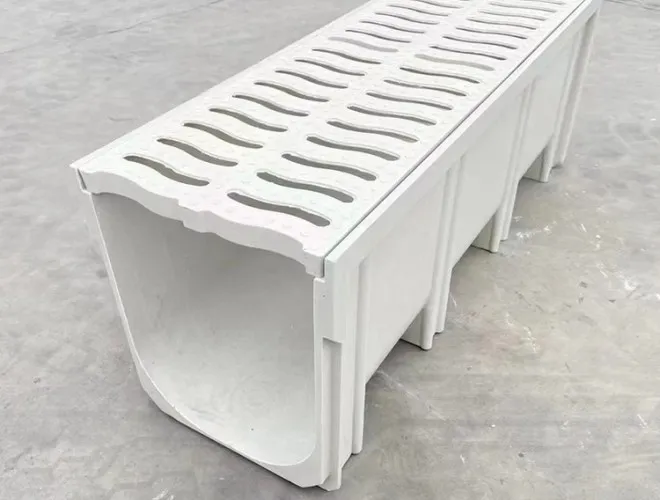
FRP Drain Channel

FRP drain channel is selected for collection and drainage rather than structural framing, making flow capacity and cleaning access the main design concerns.
FRP C Channel

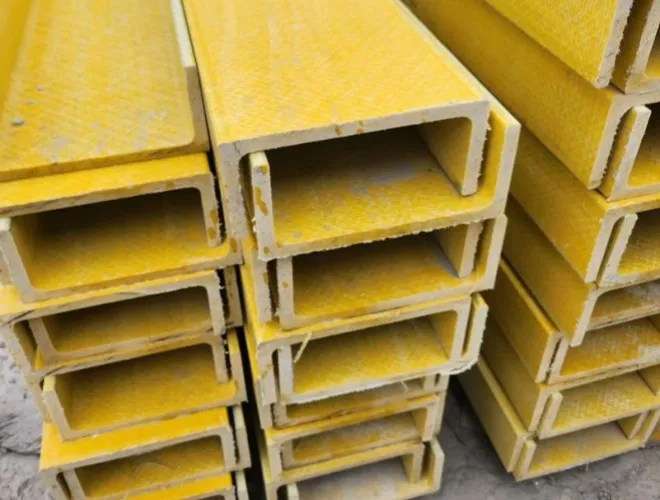
FRP C Channel

FRP C Channel is used for lightweight framing, panel support and equipment structures where the open C-shaped geometry suits fastening and limited installation space.
FRP Unistrut

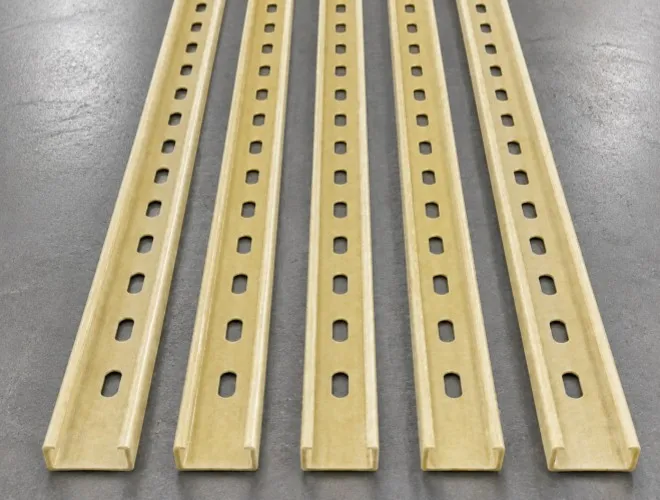
FRP Unistrut

FRP unistrut is intended as a modular support channel for pipes, cable trays, instruments and lightweight equipment.
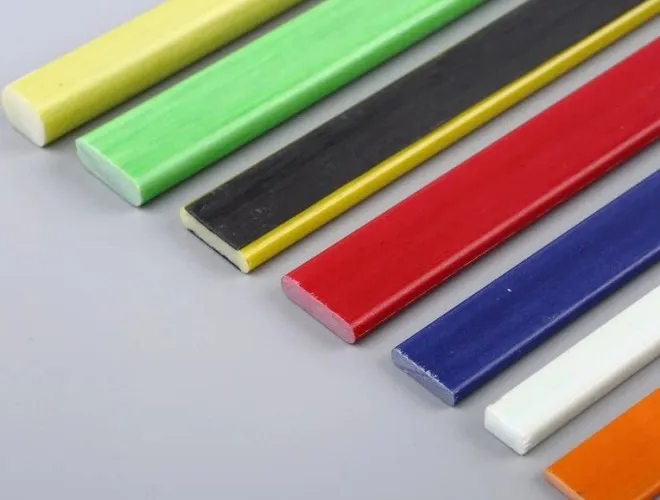
FRP Flat Bar

FRP Flat Bar

FRP Flat Bar is used for bracing, spacers, connection plates, kick plates, cover strips and insulating components where a simple solid profile is appropriate.
FRP J Channel

FRP J Channel

FRP J channel is selected for panel edging, retaining, guide rails, drip edges and lightweight support where an asymmetric profile is useful.
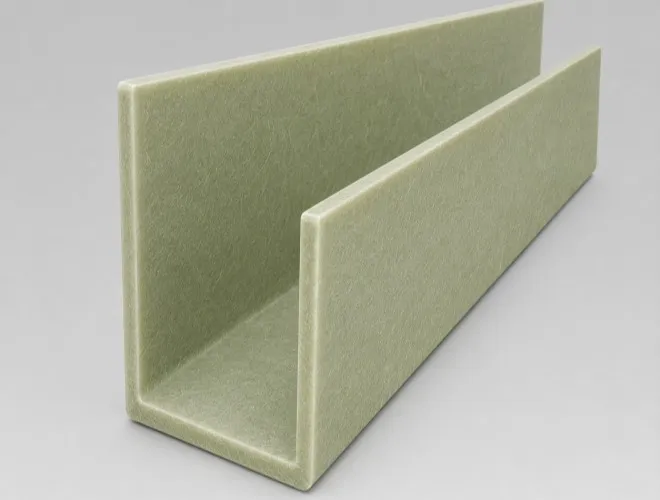
FRP U Channel

FRP U Channel

FRP U channel is a simple open profile for guide rails, panel edges, covers, cable supports and lightweight assemblies.

Key Features of FRP Pultruded

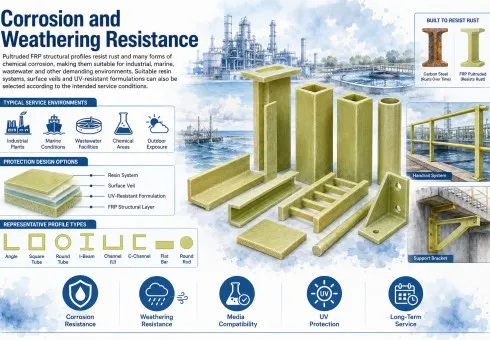
Corrosion and Weathering Resistance

Pultruded FRP structural profiles resist rust and many forms of chemical corrosion, making them suitable for industrial, marine, wastewater and other demanding environments. Suitable resin systems, surface veils and UV-resistant formulations can also be selected according to the intended service conditions.

High Strength-to-Weight Ratio

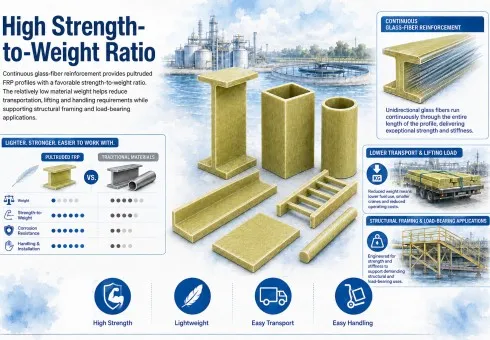
Continuous glass-fiber reinforcement provides pultruded FRP profiles with a favorable strength-to-weight ratio. The relatively low material weight helps reduce transportation, lifting and handling requirements while supporting structural framing and load-bearing applications.

Consistent Cross-Section and Dimensional Stability

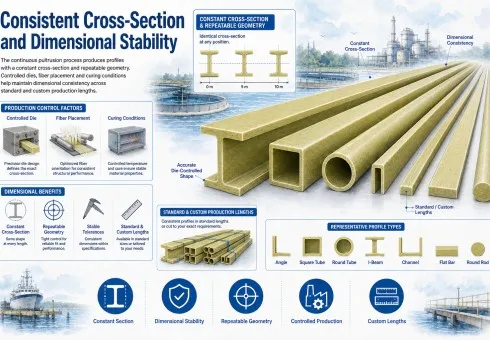
The continuous pultrusion process produces profiles with a constant cross-section and repeatable geometry. Controlled dies, fiber placement and curing conditions help maintain dimensional consistency across standard and custom production lengths.

Application-Specific Material Configuration

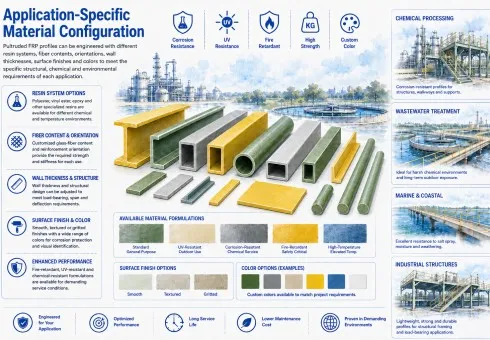
Resin type, fiber content, reinforcement orientation, wall thickness, surface finish and color can be adjusted according to structural, chemical and environmental requirements. Fire-retardant, UV-resistant and enhanced corrosion-resistant formulations are also available for specific applications.

Simplified Fabrication and Low-Maintenance Service

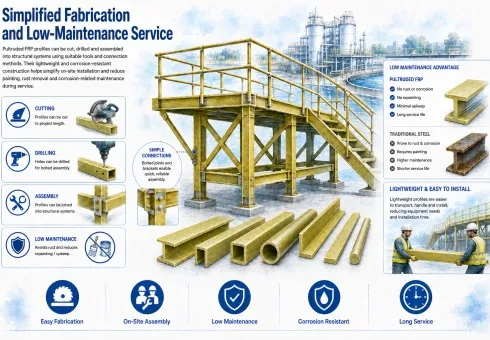
Pultruded FRP profiles can be cut, drilled and assembled into structural systems using suitable tools and connection methods. Their lightweight and corrosion-resistant construction helps simplify on-site installation and reduce painting, rust removal and corrosion-related maintenance during service.
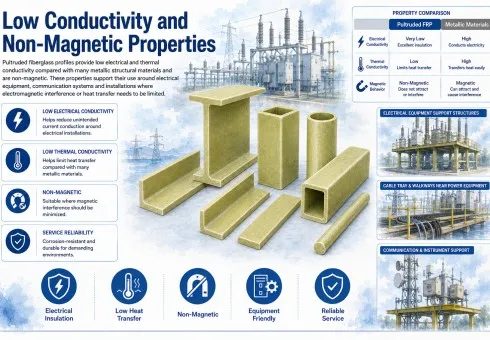

Low Conductivity and Non-Magnetic Properties

Pultruded fiberglass profiles provide low electrical and thermal conductivity compared with many metallic structural materials and are non-magnetic. These properties support their use around electrical equipment, communication systems and installations where electromagnetic interference or heat transfer needs to be limited.

Why Our FRP Pultruded Products Stand Out

Why Our FRP Pultruded Products Stand Out

High Strength with Lower Structural Weight

Yingnai FRP Pultruded profiles use continuous glass-fiber reinforcement to achieve a favorable strength-to-weight ratio, reducing transportation, lifting and installation loads while supporting frames, platforms, walkways and equipment structures.

01
Corrosion and Weather Resistance with Low Maintenance

Unlike conventional metallic profiles, FRP does not rust and performs reliably in humid, chemical and weather-exposed environments, helping extend structural service life while reducing painting, coating and corrosion-related maintenance.

02
Electrically Insulating and Easy to Fabricate

Yingnai pultruded profiles are electrically insulating and non-magnetic, and can be cut, drilled and mechanically assembled into customized structures, making them suitable around electrical equipment and corrosion-sensitive industrial installations.
03

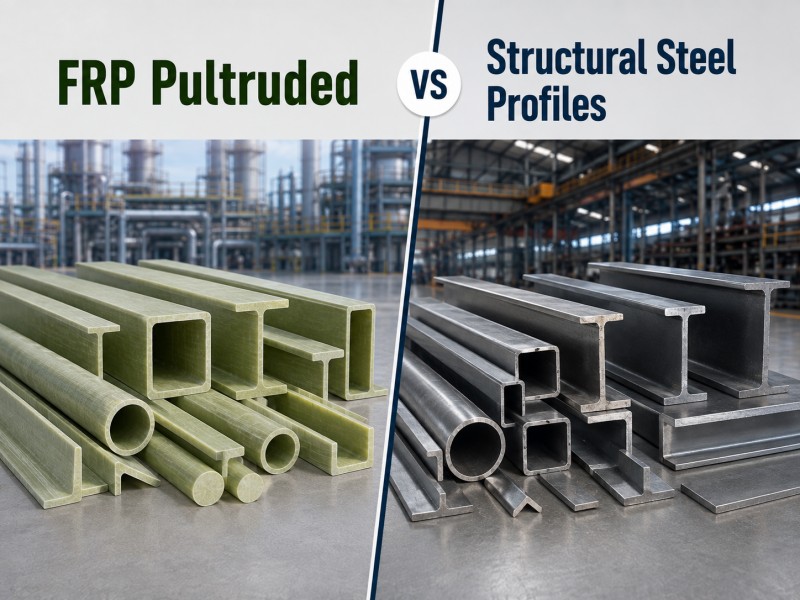
FRP Pultruded vs Structural Steel Profiles

FRP Pultruded vs Structural Steel Profiles
  • Corrosion without Coatings

    Yingnai FRP Pultruded profiles do not rust and retain corrosion resistance without galvanizing or repeated painting, making them well suited to chemical plants, wastewater facilities and marine environments.

  • High Strength-to-Weight Ratio

    Continuous glass-fiber reinforcement gives FRP profiles useful structural strength at significantly lower weight than steel, reducing manual handling, lifting loads and installation requirements for platforms and support structures.

  • Electrical and Magnetic Properties

    Yingnai pultruded profiles are electrically insulating and non-magnetic, offering advantages around substations, electrical equipment and communication systems where conductive steel members may require additional isolation measures.

  • Stiffness and High-Temperature Performance

    Steel provides higher elastic modulus, greater local impact resistance and broader high-temperature capability. FRP is preferred where corrosion resistance, electrical insulation, low weight and reduced maintenance outweigh maximum stiffness.

Get a Quote for Industrial FRP/GRP Solutions
X
We use cookies to optimise and personalise your experience, but you can choose to opt out of non-essential cookies.
To find out more, read our Privacy Policy
Reject All
Accept All