Energy-transition projects combine new power systems, energy-related materials, electrochemical processes, chlor-alkali production and extensive supporting utilities. These facilities require reliable equipment for brine, acids, alkalis, process chemicals, cooling water, wastewater, humid exhaust and environmental control. Yingnai provides application-matched FRP/GRP tanks, piping, fittings, towers, scrubbers, ducts, chimneys, gratings, pultruded profiles, electrolytic equipment components and custom composite products. Suitable resin selection, filament-wound structures and flexible fabrication help reduce corrosion, equipment weight and maintenance while allowing dimensions, interfaces and functional configurations to be coordinated with process layouts, civil structures and project specifications.
Energy-transition facilities contain many systems that operate outside the main high-temperature process but remain essential to production, safety and environmental performance. Typical applications include chemical storage, brine handling, cooling water, water treatment, wastewater collection, wet-gas treatment, ventilation, access structures and electrochemical auxiliary equipment.
FRP is particularly valuable where moisture and corrosive chemicals make coated steel difficult to maintain. The material combines a corrosion-resistant resin matrix with glass-fiber reinforcement, allowing equipment to provide both chemical protection and structural capability. Product design can be adjusted for different process areas instead of applying one uniform specification throughout the entire plant.
Chlor-alkali and electrochemical systems may handle sodium-chloride brine, hydrochloric acid, caustic solutions, hypochlorite, oxidizing chemicals, humid chlorine-containing gases and chemically complex wastewater. Material behavior can change significantly with concentration, temperature, impurities, moisture content and operating cycle.
For this reason, the name of the chemical alone is not sufficient for selecting a resin system. Oxidizing media and gas-phase exposure often require more conservative corrosion-barrier design than general acid or alkali service. Cleaning chemicals, startup conditions, temporary concentration changes and possible temperature excursions should also be reviewed. Yingnai can evaluate the complete service data before confirming resin type, inner corrosion layer and structural laminate.
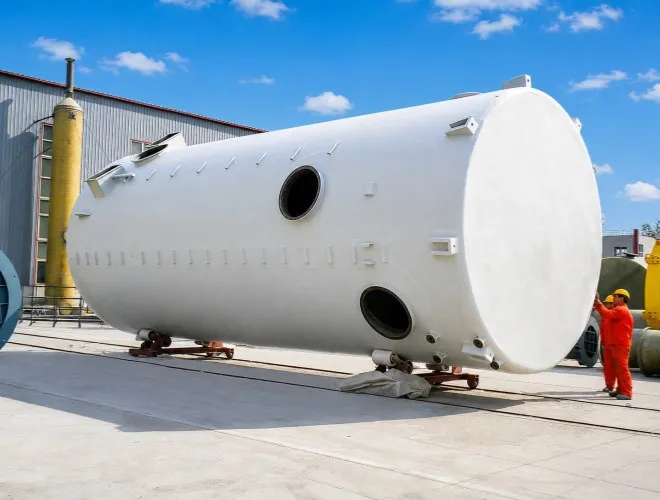
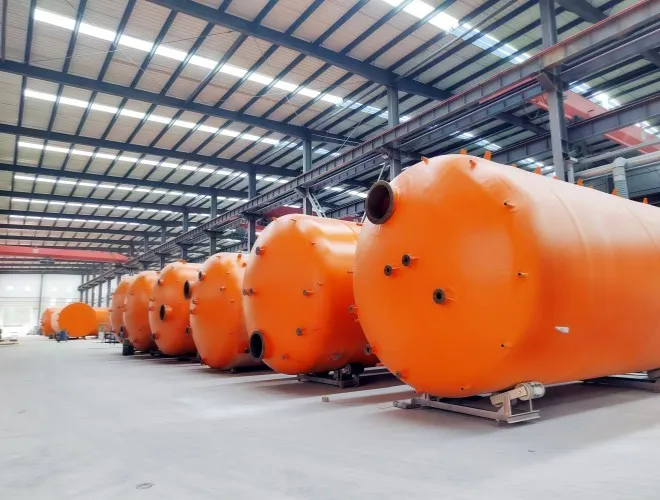
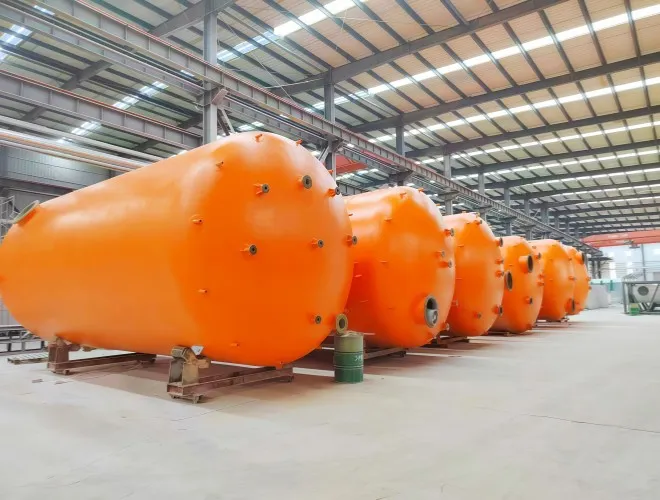
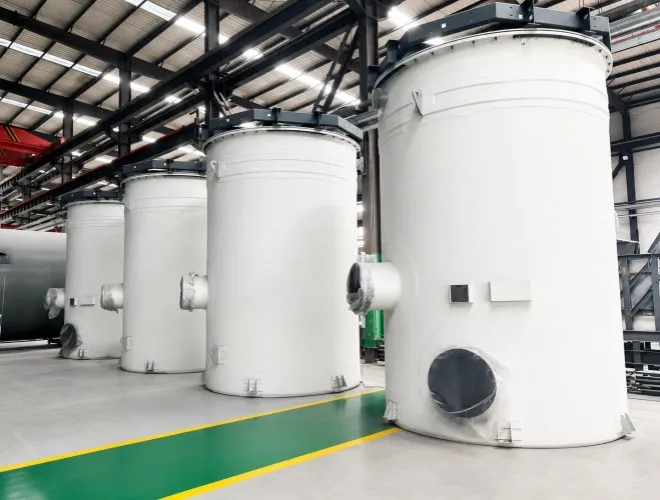
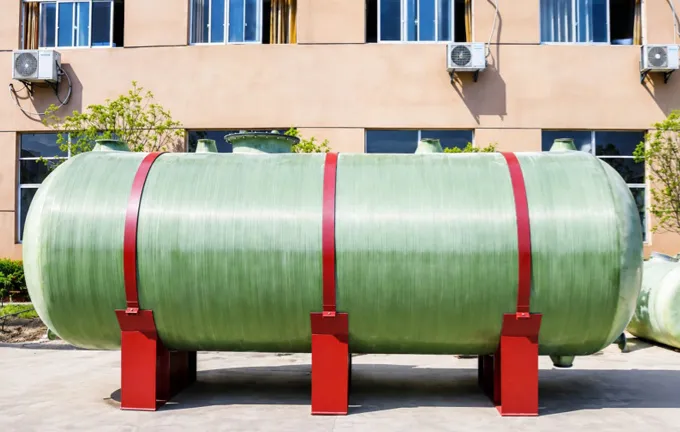
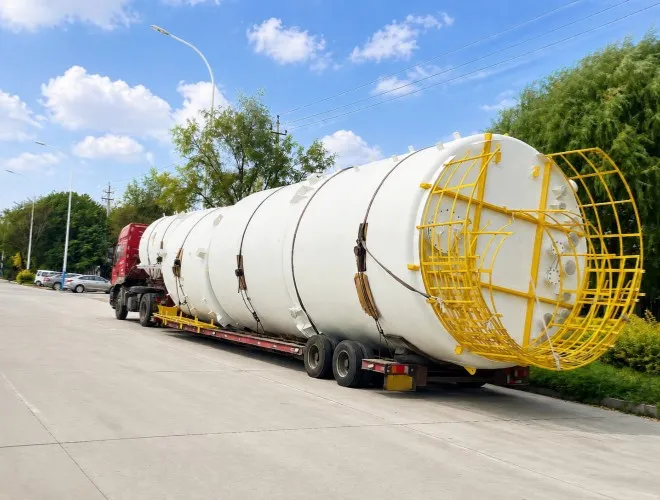
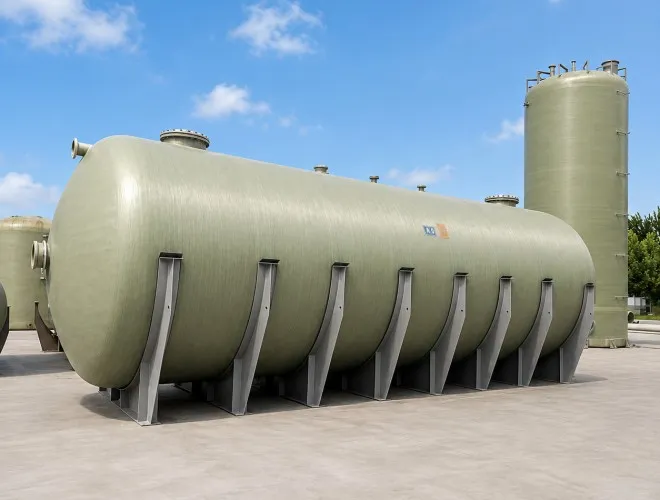
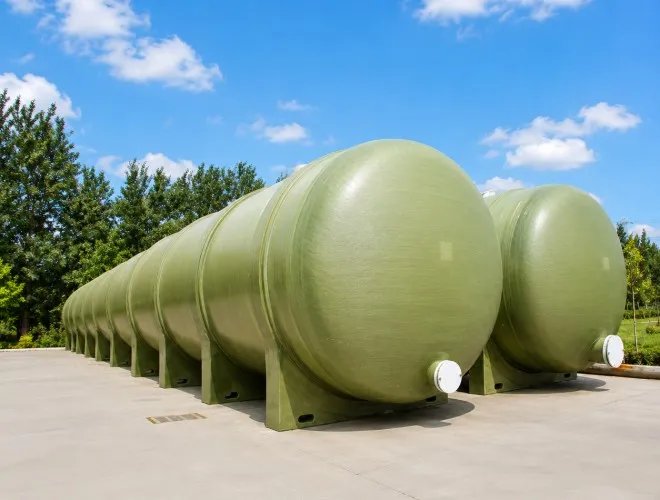
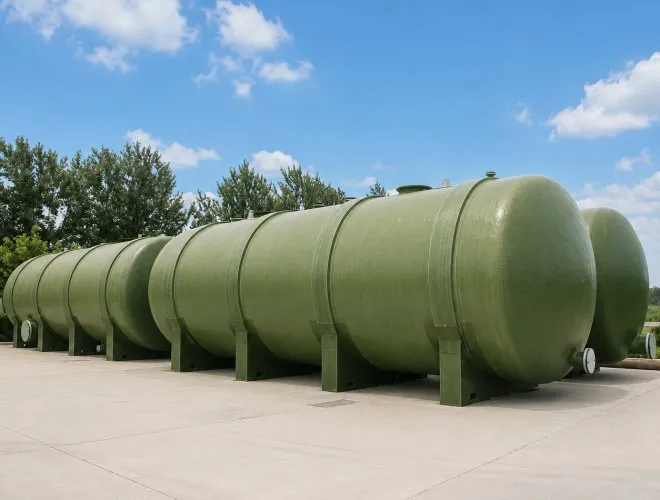
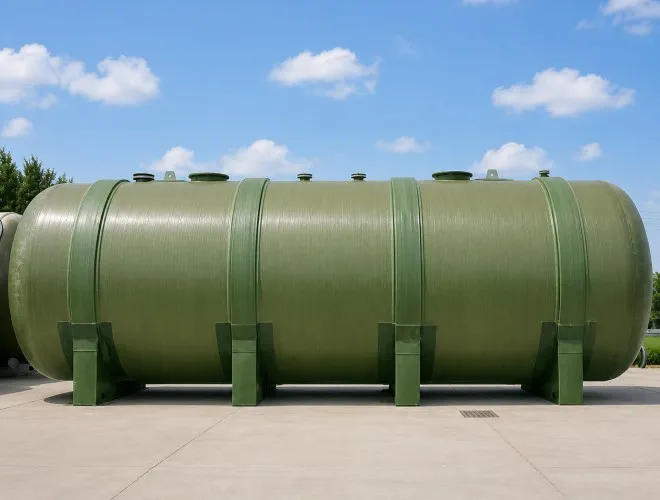
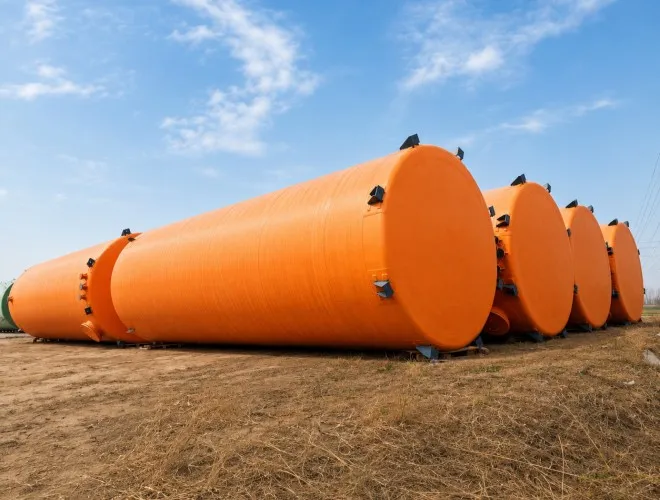
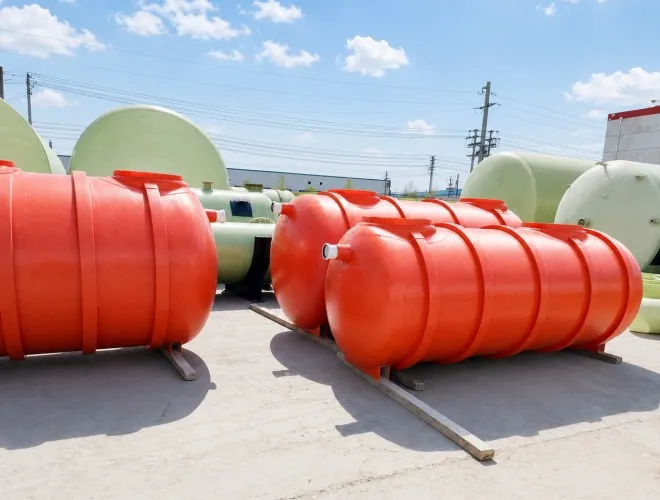
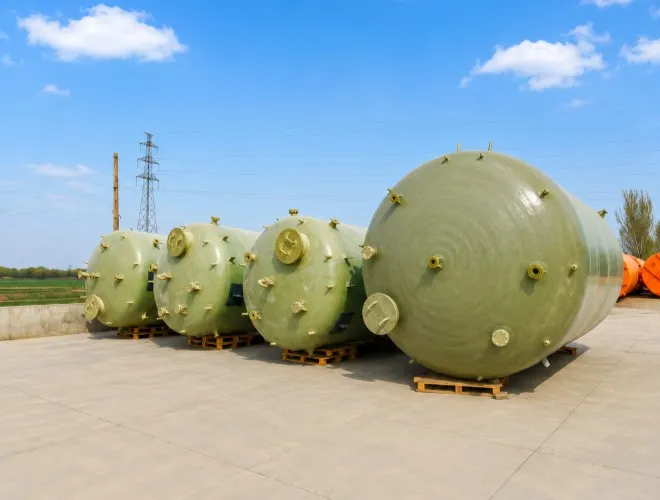
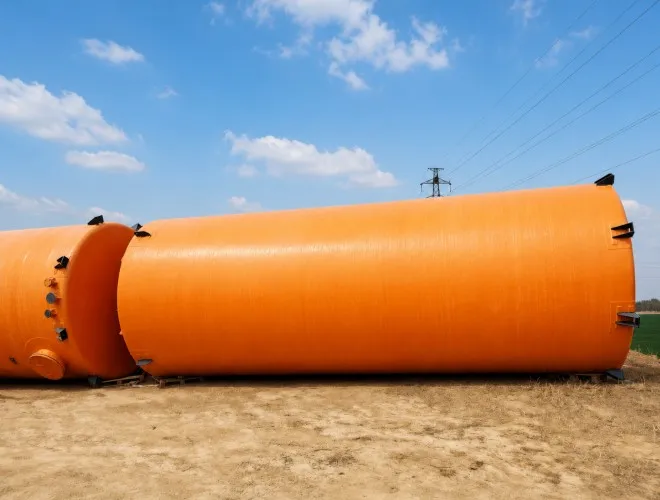
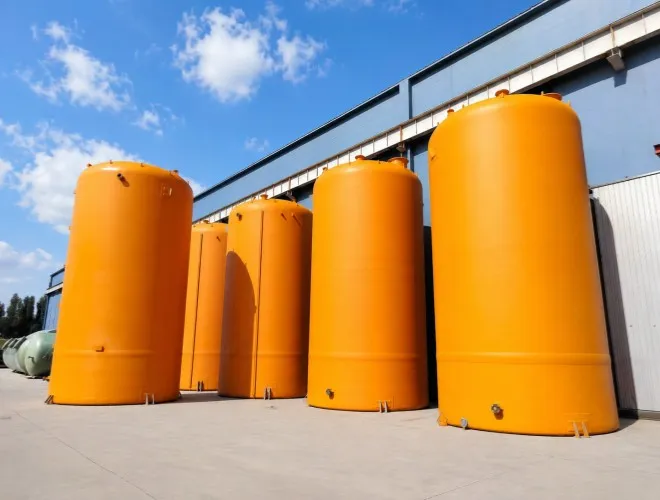
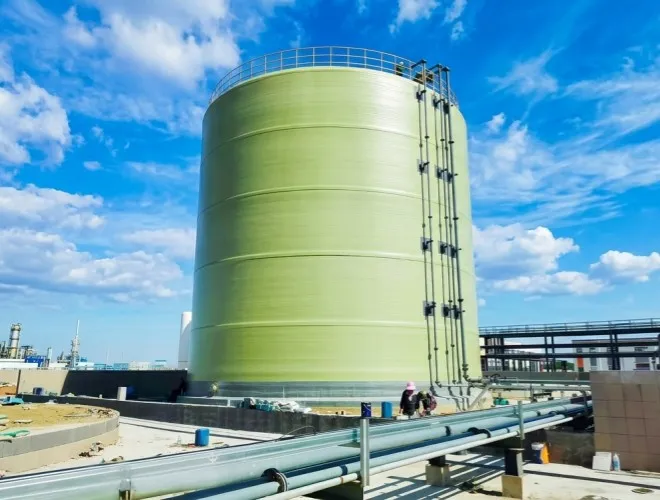
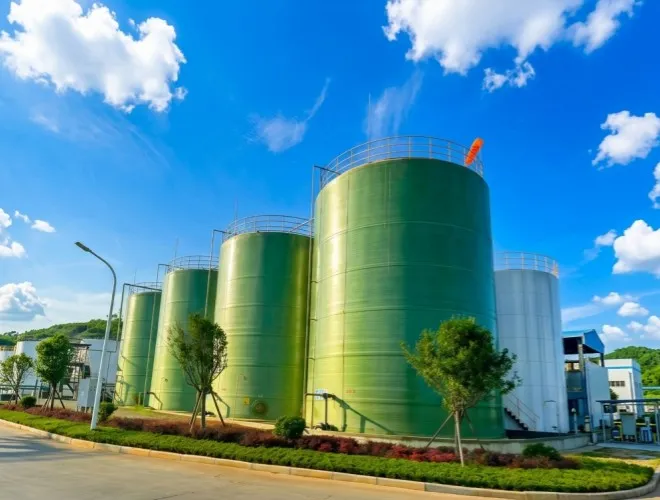
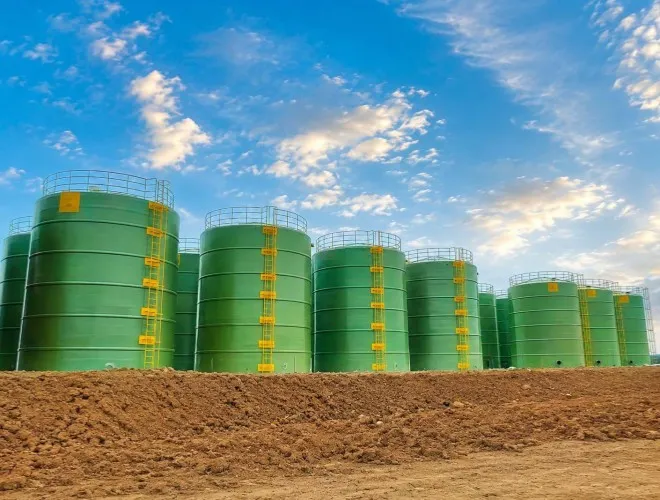
FRP tanks can be used for brine, selected acids and alkalis, hypochlorite, process water, wastewater, dosing chemicals and other compatible media. Their relatively low weight can simplify transportation and lifting, while non-metallic construction reduces the risk of rust contamination.
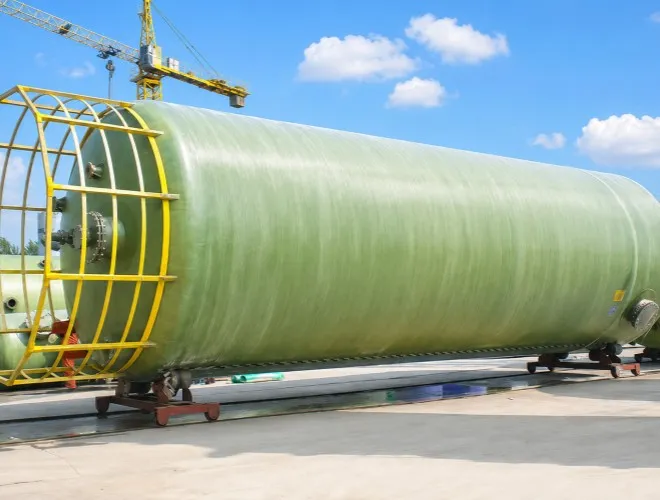
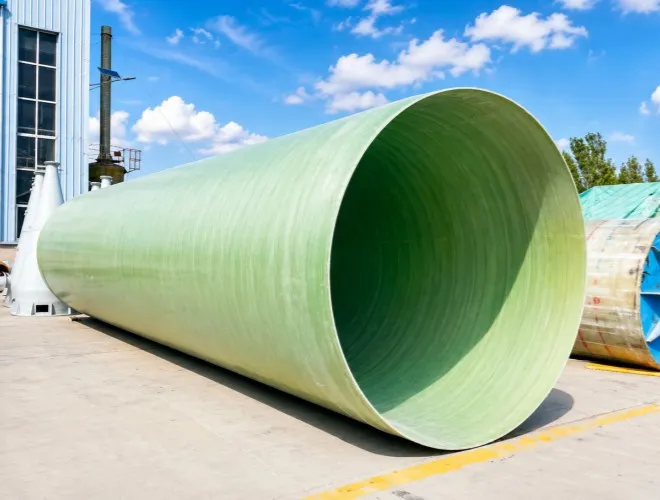
Filament winding places continuous glass fibers around the vessel shell, allowing the structural layer to be designed for liquid head, pressure, vacuum, wind and seismic loads. The inner corrosion barrier protects the wetted surface. Nozzles, manways, vents, overflows, drains, level connections, lifting points and supports can be customized around the process arrangement. High concentrations and elevated temperatures require special attention to resin limits, corrosion-layer construction and connection details.
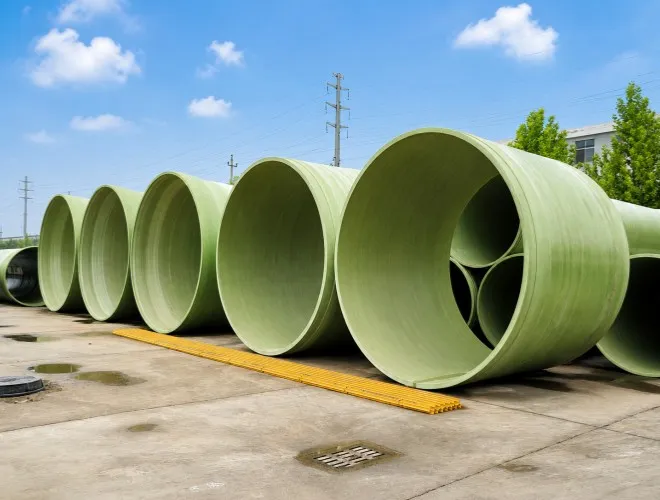
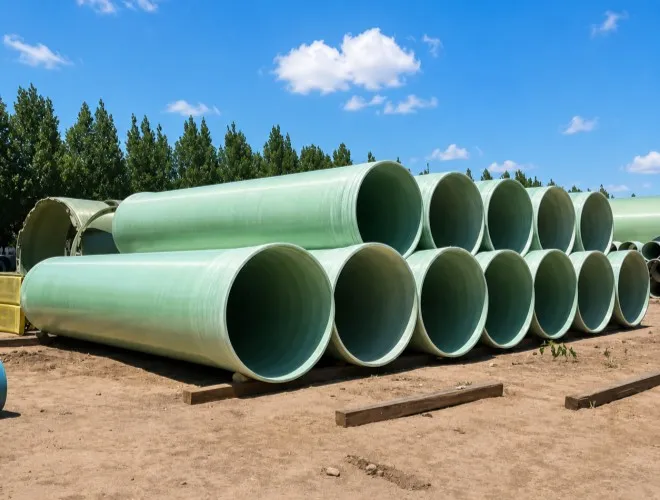
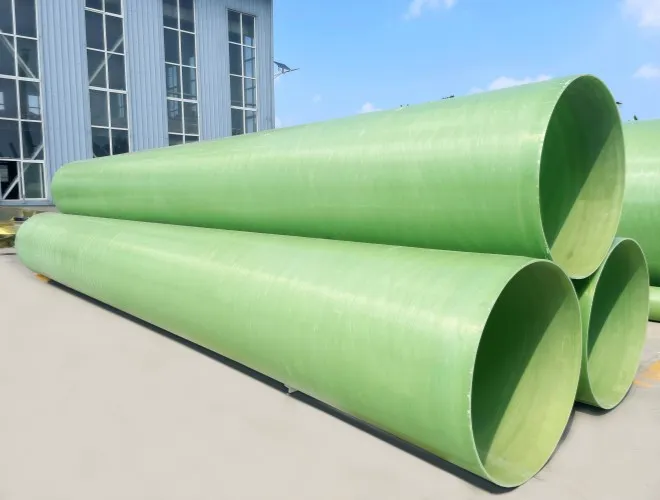
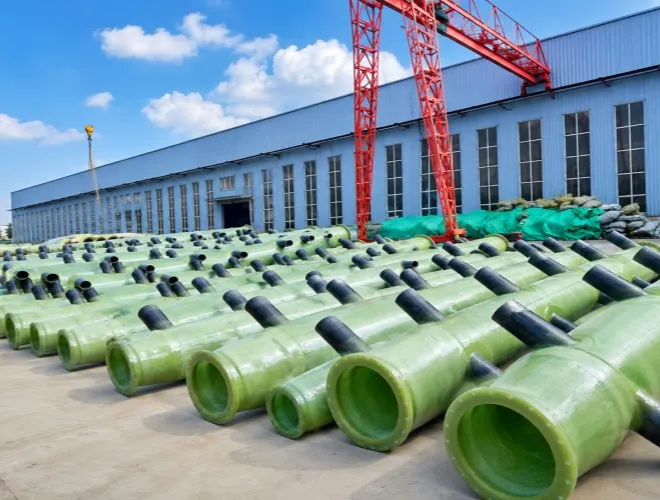
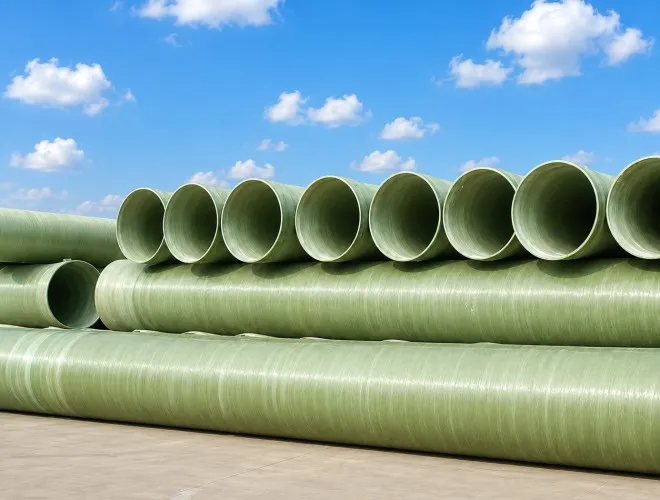
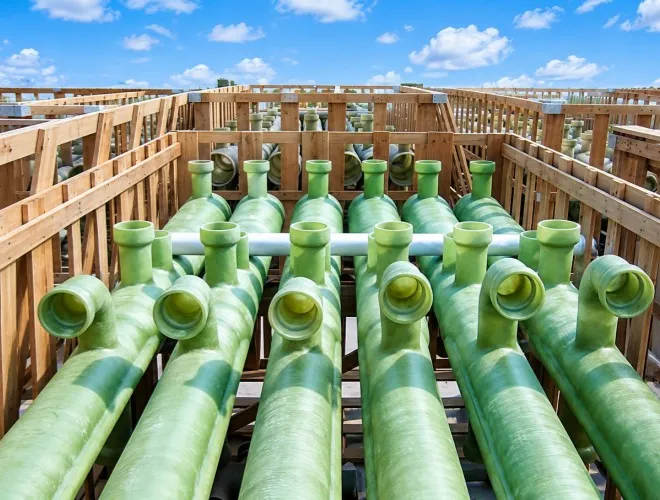
FRP piping can connect chemical-storage tanks, treatment units, electrochemical equipment, cooling-water systems, scrubbers and wastewater facilities. Pipes, elbows, tees, reducers, flanges and custom fittings can be manufactured with compatible corrosion-barrier construction to create a coordinated non-metallic network.
Engineering should consider internal pressure, vacuum, thermal movement, support spacing, vibration, occasional loads and valve weight. Small-diameter branches and heavy instruments require independent support where necessary. Field joints must be completed with controlled surface preparation, resin mixing, reinforcement and curing. For chlorine-containing gases, oxidizing liquids or mixed chemical services, material compatibility should be confirmed for the exact operating state rather than a broad chemical category.
Energy and electrochemical facilities may require gas collection, absorption, scrubbing, mist control and safe discharge. These systems frequently handle humid gases and chemically active condensate, which can rapidly damage unprotected metal equipment.
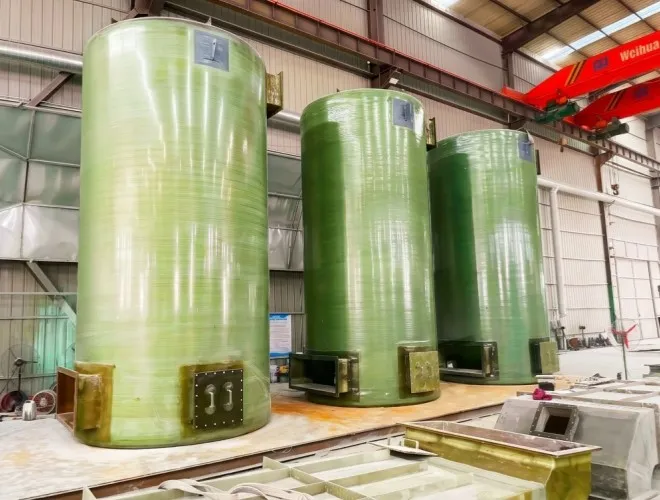
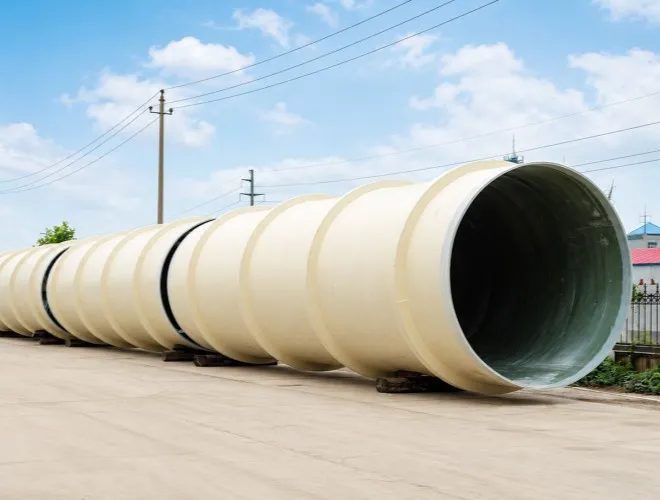
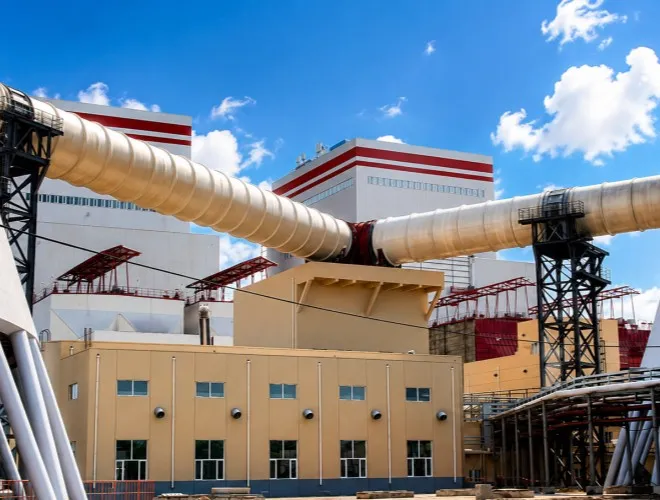
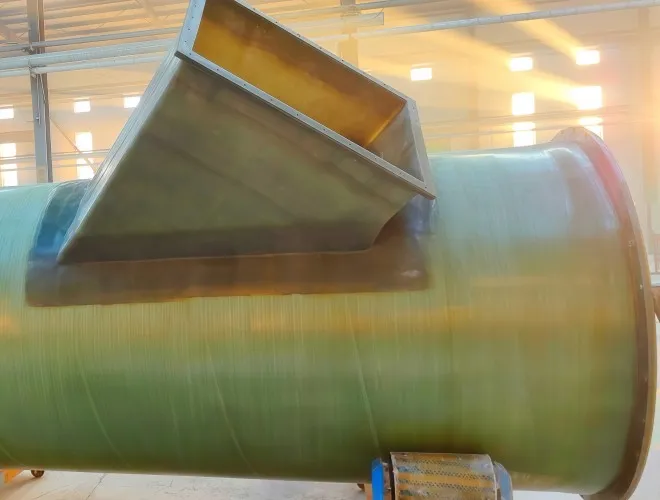
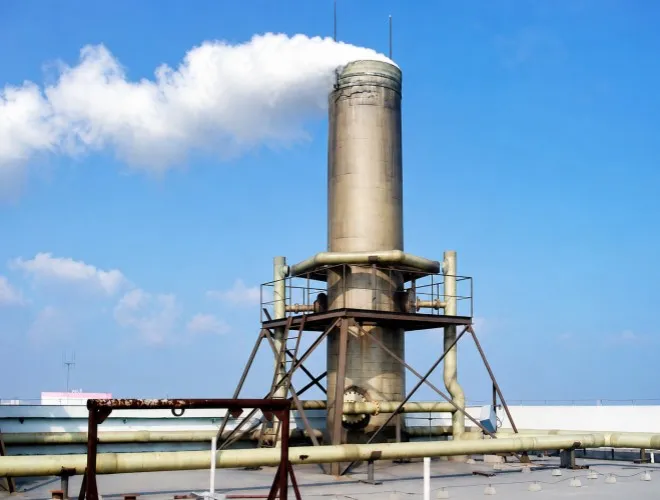
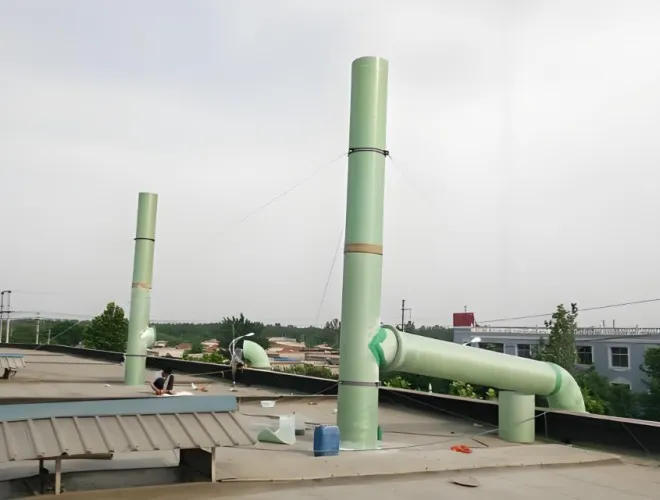
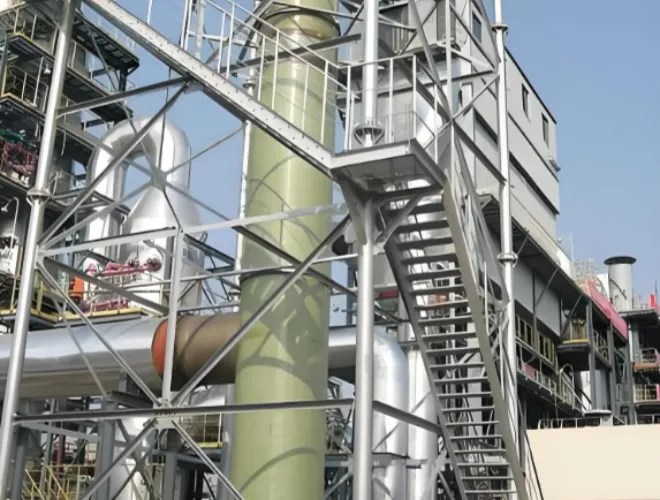
FRP towers, scrubbers, ducts and chimneys can be fabricated in large diameters and complex transitions. Their relatively low weight can reduce lifting and support loads, while smooth internal surfaces help maintain airflow and condensate drainage. Design conditions should include gas composition, scrubbing liquid, temperature, positive or negative pressure, wind, vibration and internal-equipment loads. Spray headers, demisters, internal supports and access openings should use compatible materials and be arranged for inspection.
Electrochemical production may require cell bodies, tank covers, collection trays, protective panels, equipment enclosures, non-metallic supports and other components with precise dimensions. FRP can be molded or fabricated into complex shapes and locally reinforced around supports, openings and equipment interfaces.
The resin and reinforcement structure can be adjusted for both chemical exposure and mechanical loads. Electrical requirements must be clearly specified. Standard FRP is generally electrically insulating, while conductive or antistatic performance requires specially designed materials, surface layers and grounding arrangements. These functions should not be assumed from the basic composite material. Accurate drawings, interface dimensions and assembly tolerances are essential for customized equipment.
Energy-transition facilities also depend on cooling water, demineralized water, wastewater collection, neutralization, chemical cleaning and environmental-treatment systems. Although these are supporting utilities, corrosion failures can interrupt production and increase environmental risk.
FRP tanks, pipes, covers, ducts, scrubbers and access structures can be coordinated across these systems. Wastewater composition should be evaluated under both normal and abnormal operating conditions, since mixed streams may differ from individual chemicals. Covers and ducts can collect humid emissions from channels and tanks, while scrubbers or absorbers treat the gas before discharge. A coordinated composite solution can reduce repainting and material inconsistency across connected utility areas.
Strong corrosion resistance does not remove the need to evaluate temperature and plant-safety requirements. Resin heat resistance, long-term exposure, nearby hot equipment, fire performance and process-upset conditions all influence product suitability.
Some projects may require flame-retardant resins, conductive surface layers or antistatic construction. These features must be developed as part of the complete laminate because additives and specialized layers can affect mechanical strength, chemical resistance and manufacturing behavior. The required property, test method and acceptance criteria should be defined in the project specification. Ventilation, grounding, gas detection and other plant-safety systems remain independent engineering requirements and should not be replaced by assumptions about the FRP equipment.
Lined steel combines structural strength with a corrosion-resistant surface, but lining defects or mechanical damage can expose the metal substrate and create hidden corrosion. Special alloys may offer excellent chemical resistance, although their cost can be high for large tanks, ducts and auxiliary systems. Thermoplastics perform well in many chemical services but may have limitations in stiffness, pressure, temperature or large-diameter fabrication.
FRP integrates its corrosion barrier with a glass-fiber structural laminate and has lower weight than many metal alternatives. It also allows custom nozzles, transitions and complex shapes to be fabricated without extensive metal forming. Composite equipment must nevertheless be designed for its own stiffness, expansion, connection and support behavior.
Corrosive energy and electrochemical services require disciplined control of raw materials and manufacturing. Important inspection points include resin identity, reinforcement type, corrosion-barrier construction, laminate thickness, cure quality, dimensions, nozzle alignment, flange flatness and bonding workmanship.
Filament winding provides controlled fiber placement for cylindrical tanks and pipes, while molding, hand lay-up, bonding and secondary fabrication support complex structures. Visual inspection, dimensional checks and agreed material or product tests can be included in the quality plan. Customer witness points, documentation and acceptance requirements should be confirmed before production so that inspection activities match the project specification.
Yingnai supplies FRP tanks, pipes, fittings, towers, scrubbers, ducts, chimneys, gratings, pultruded profiles, electrochemical components and customized composite products. This manufacturing range is useful when a project requires multiple corrosion-resistant products that must connect and operate as one system.
The company can work from process data, drawings and owner requirements to coordinate material selection, product design, manufacturing, inspection, packaging and delivery. Its filament-winding capability supports cylindrical vessels and piping, while complementary fabrication processes enable complex interfaces and custom structures. Transport limitations, lifting points, product sectioning and site-joint requirements can also be reviewed during the project-planning stage.
Long-term performance depends on keeping equipment within the chemical, temperature, pressure and mechanical conditions used for design. Operators should monitor concentration, temperature, ventilation, cleaning procedures and process changes. Routine inspection should focus on joints, nozzles, supports, vapor zones, outdoor surfaces and areas exposed to impact or abnormal loading.
Any change in chemical composition or operating temperature should trigger a compatibility review before continued use. Local composite repair may extend service life when damage is correctly assessed and compatible repair materials are used. With project-specific material selection, controlled manufacturing and suitable maintenance, FRP products can reduce corrosion and support reliable operation across energy-transition, chlor-alkali and electrochemical facilities.
 English