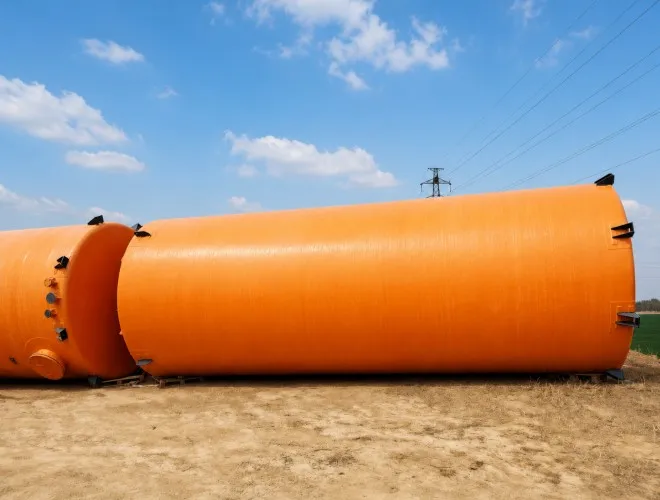
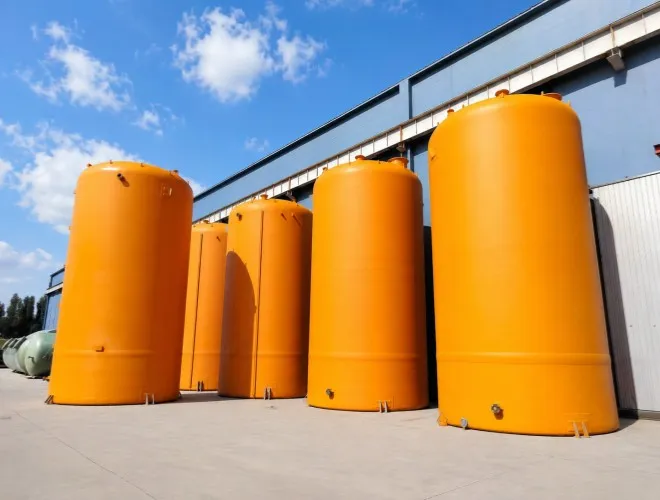
Chemical production involves storage, transfer, reaction support, ventilation and treatment of media whose concentration, temperature and operating pattern may vary from one process to another. Yingnai develops application-specific FRP/GRP products by matching the resin system, corrosion barrier and glass-fiber structure to the actual service data. Tanks, piping, towers, ducts, fittings and custom components can therefore be integrated into a coordinated non-metallic system that improves durability, reduces corrosion-related maintenance and gives engineers greater freedom in equipment layout. Capacity, connections, pressure, installation space and maintenance access can be customized for both individual equipment and coordinated systems.
Chemical equipment is rarely challenged by only one factor. The same unit may encounter acidic or alkaline media, salts, solvents, oxidizing substances, humid gases, cleaning chemicals, temperature changes and intermittent operation. Carbon steel often depends on coatings or linings that require periodic inspection and repair, while stainless steel and special alloys may create a high initial cost for large equipment. Properly designed FRP combines a chemically resistant resin-rich inner surface with a load-bearing glass-fiber structure. This layered concept allows the corrosion function and structural function to be designed separately, so the product can be tailored to the process rather than selected only from a fixed material grade.
The resin is the first line of defense against the process medium. Selection should consider the exact chemical composition, concentration, temperature, impurities, cleaning method, exposure time and possible upset conditions. The corrosion barrier normally uses a resin-rich surface and fine reinforcement to reduce direct paths for liquid penetration. Behind it, the structural laminate provides the required stiffness and strength. Depending on service conditions, polyester, vinyl ester or other suitable resin systems may be considered. No single resin is appropriate for every chemical, so Yingnai reviews project data before confirming the laminate. This approach helps avoid both under-design and unnecessary material cost.
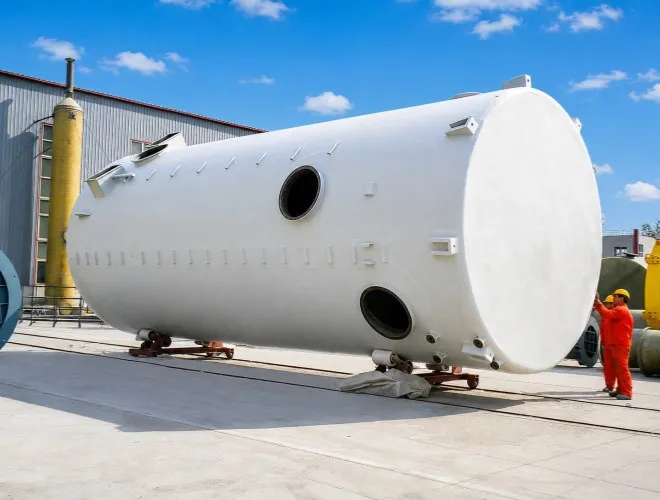
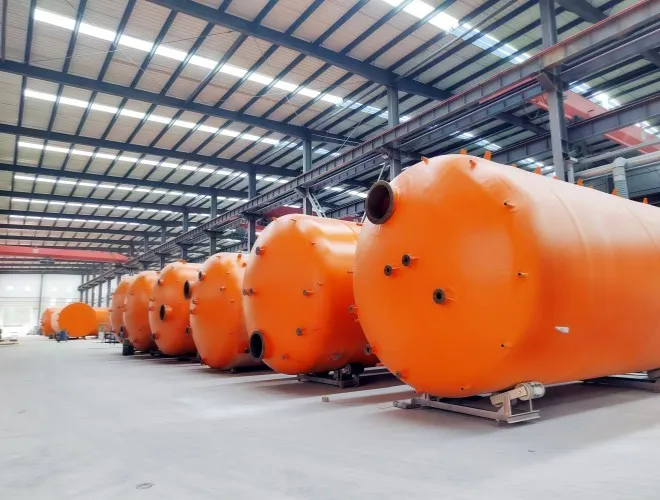
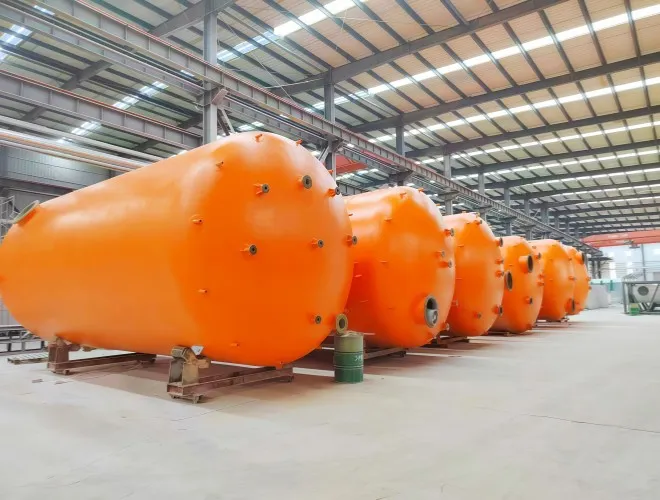
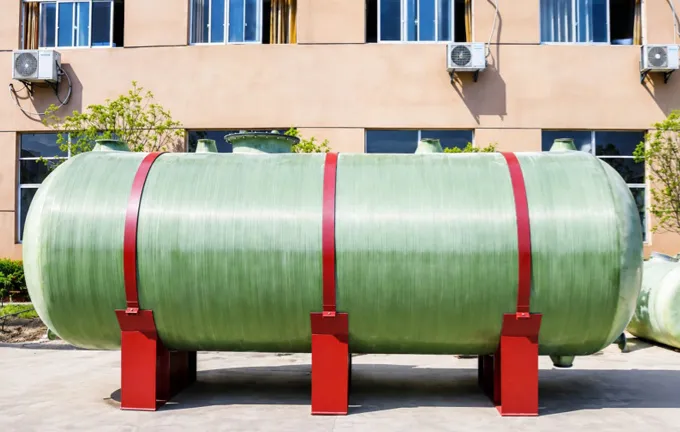
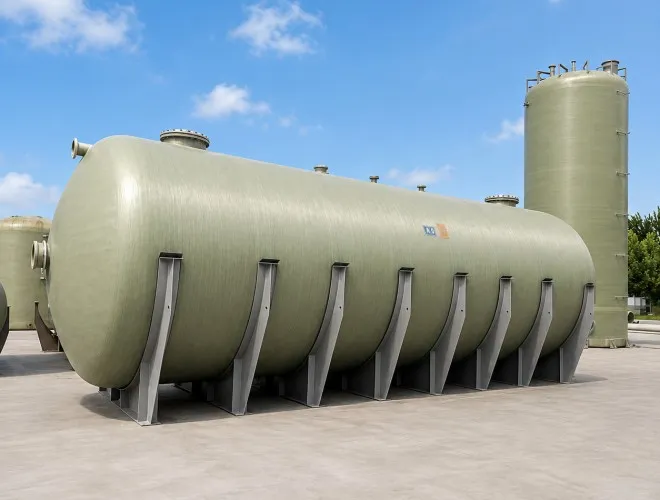
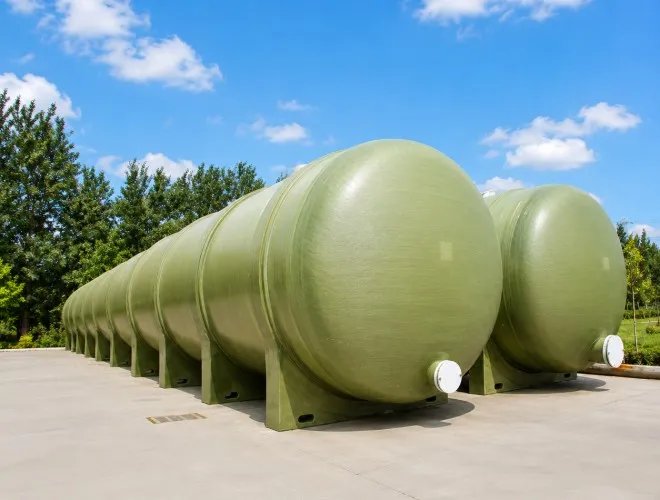
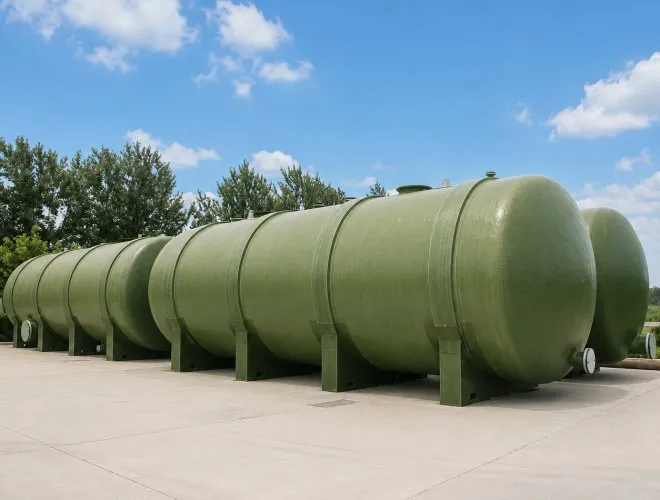
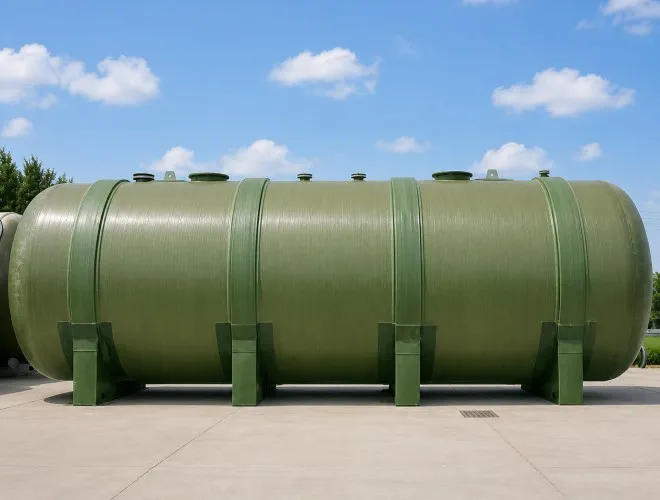
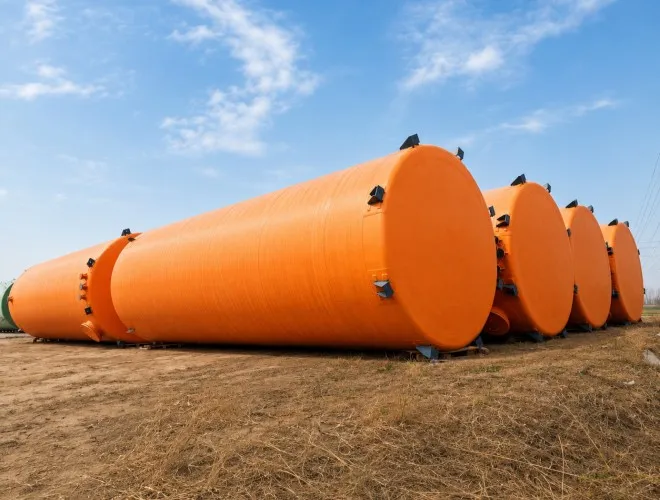
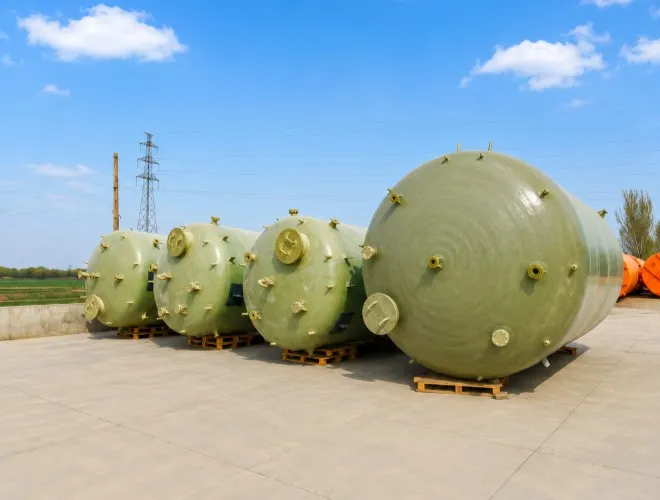
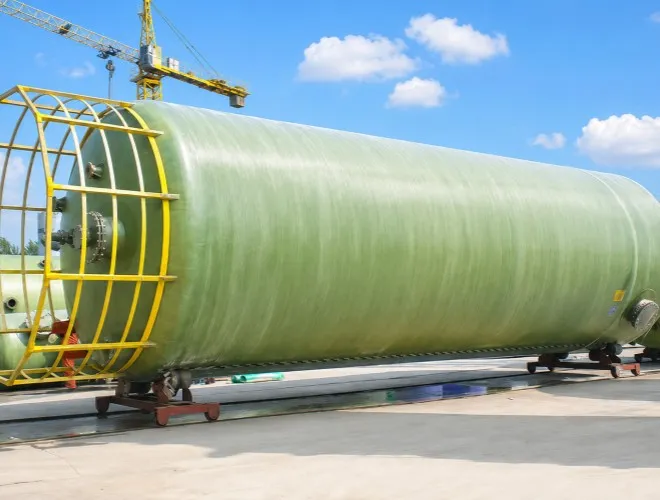
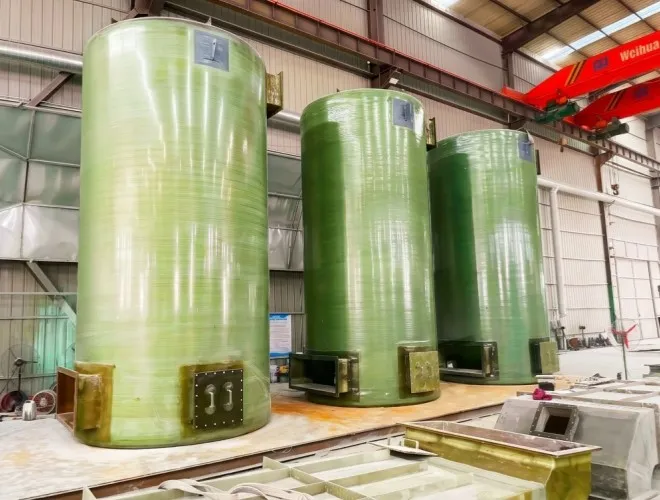
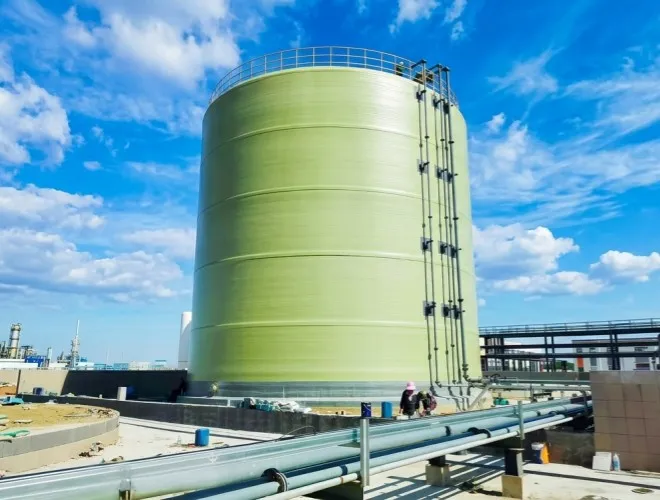
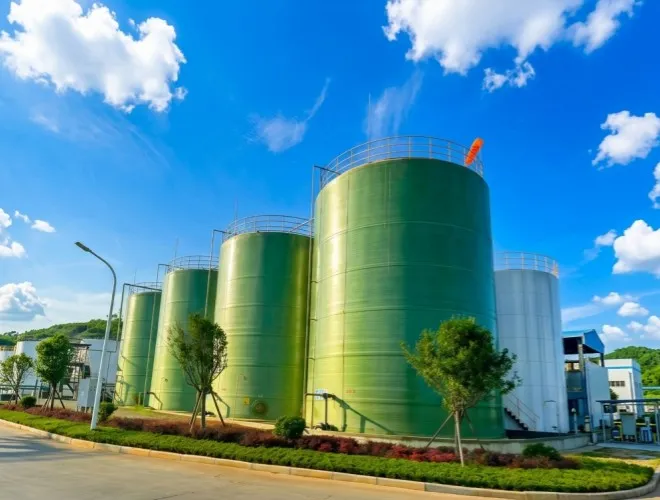
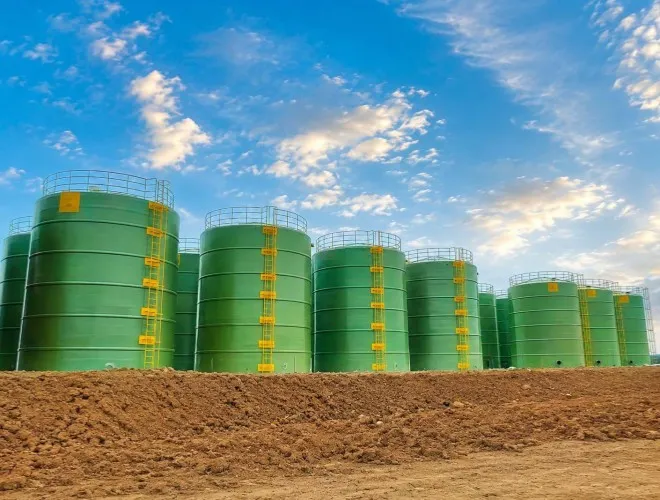
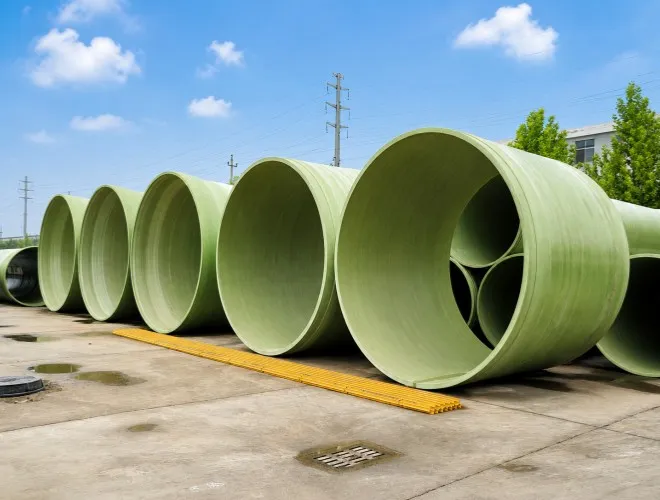
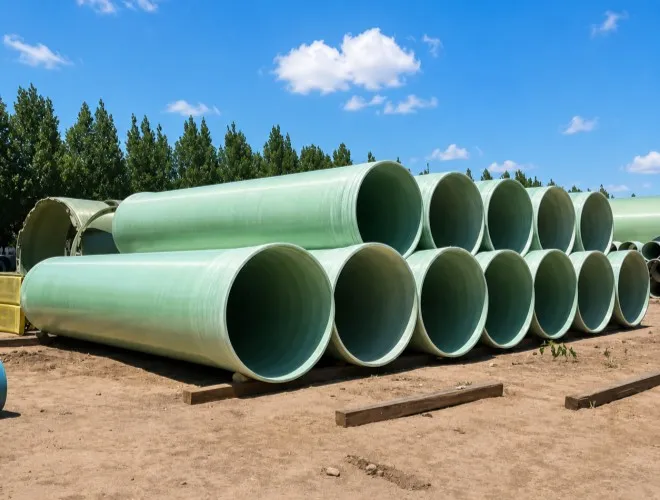
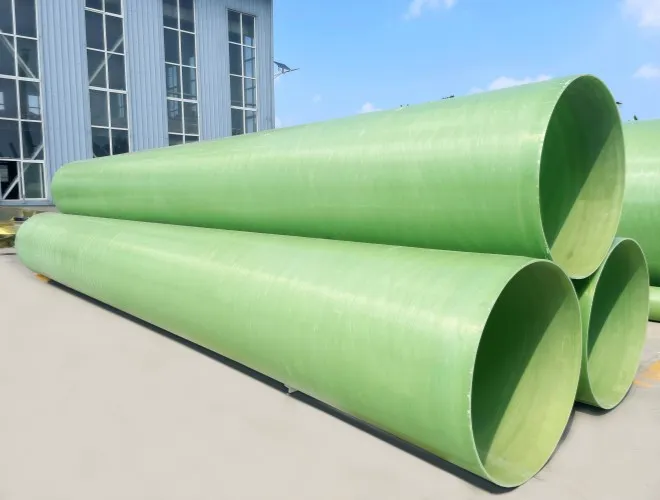
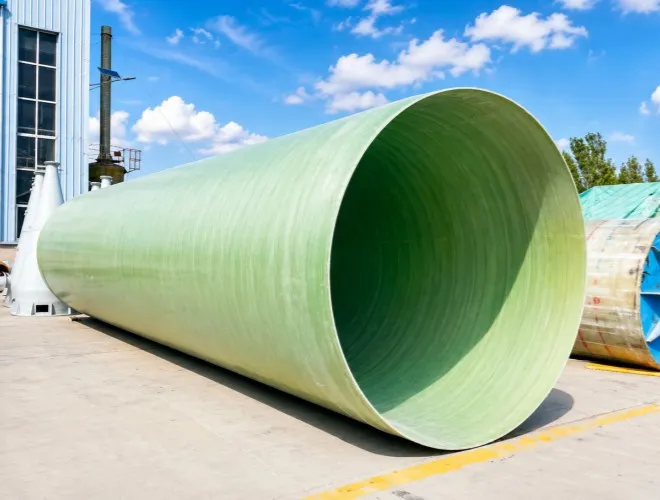
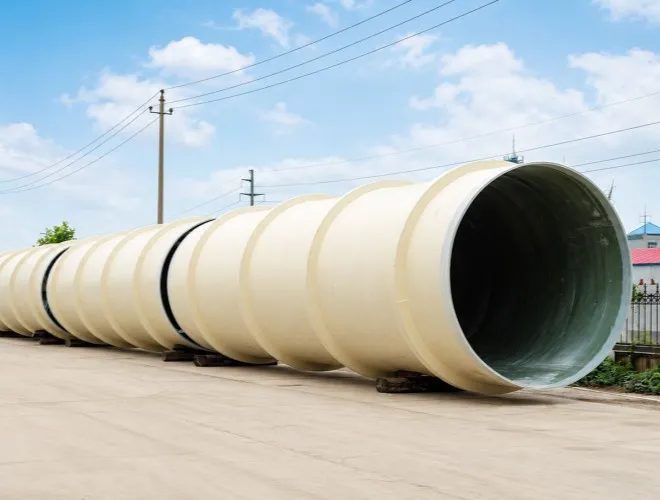
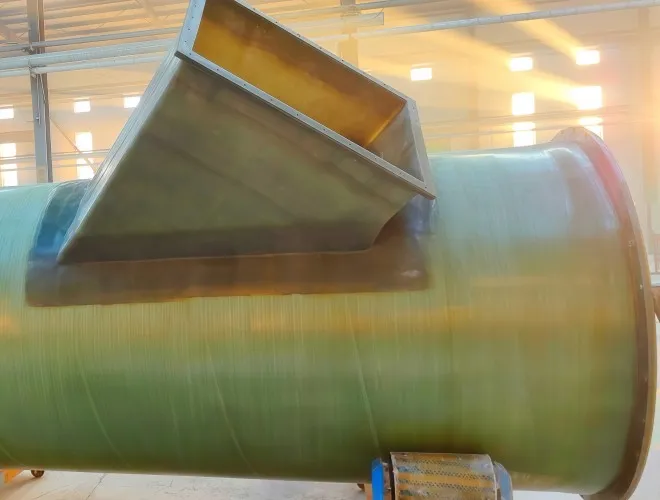
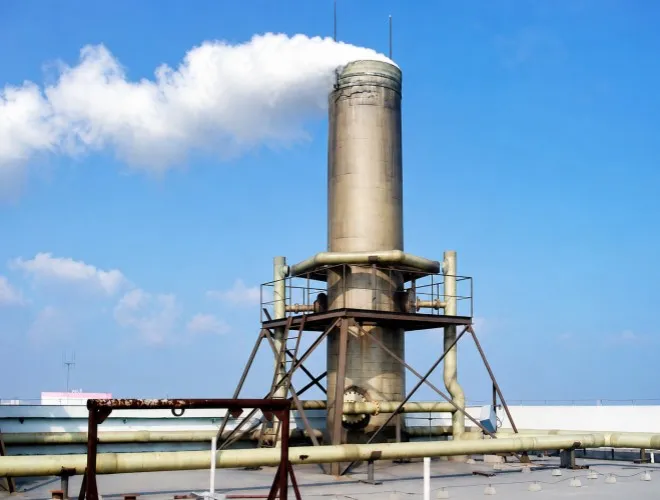
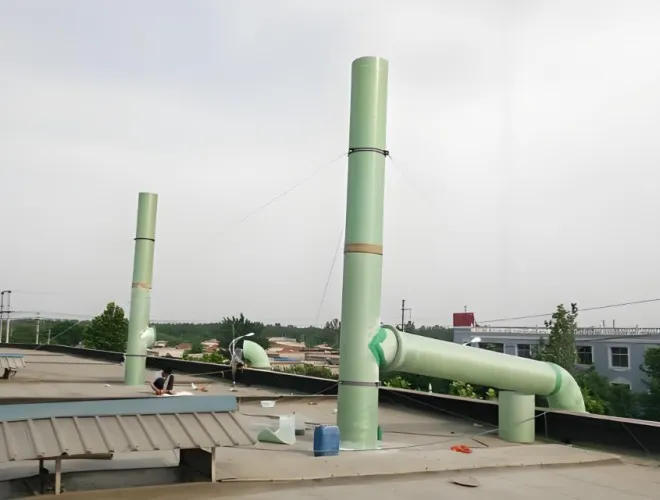
Filament winding is Yingnai’s core manufacturing process for many cylindrical FRP products. Continuous glass-fiber rovings are placed at controlled angles and tension, allowing reinforcement to follow hoop and axial load directions. For storage tanks, pressure or gravity piping, scrubber shells, towers, ducts and chimneys, winding can provide stable wall construction, repeatable fiber placement and efficient use of reinforcement. The winding schedule can be adjusted for diameter, height, pressure, vacuum, wind load, seismic demand and support conditions. Hand lay-up and secondary bonding are then used for nozzles, flanges, manways, branches, internals and local reinforcement, creating a complete engineered component rather than a simple shell.
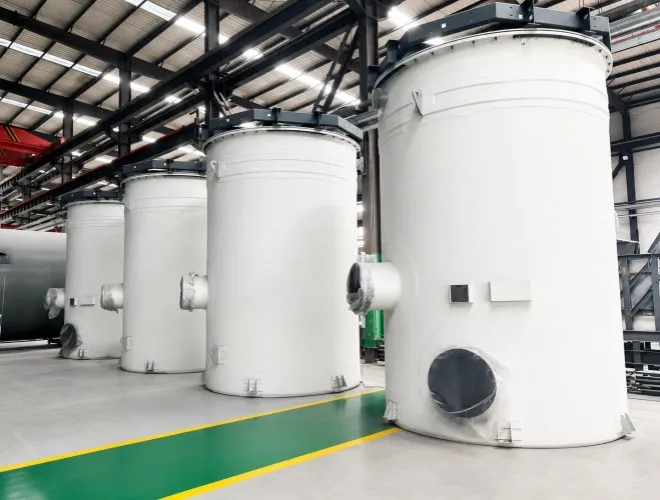
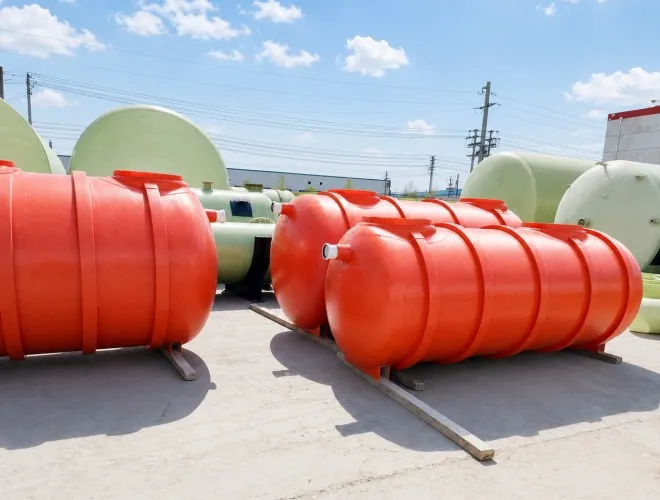
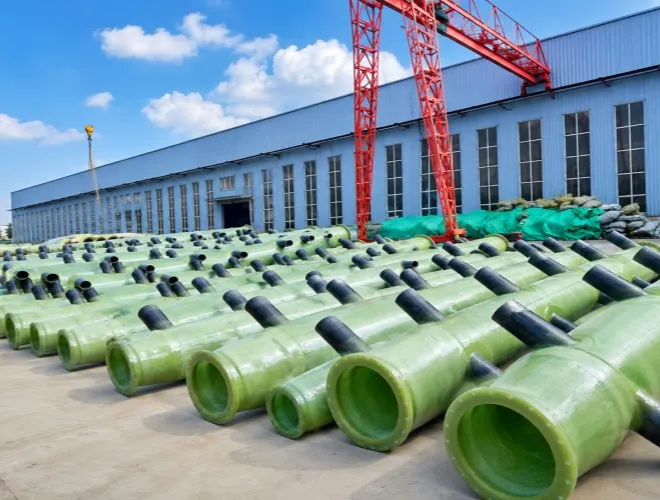
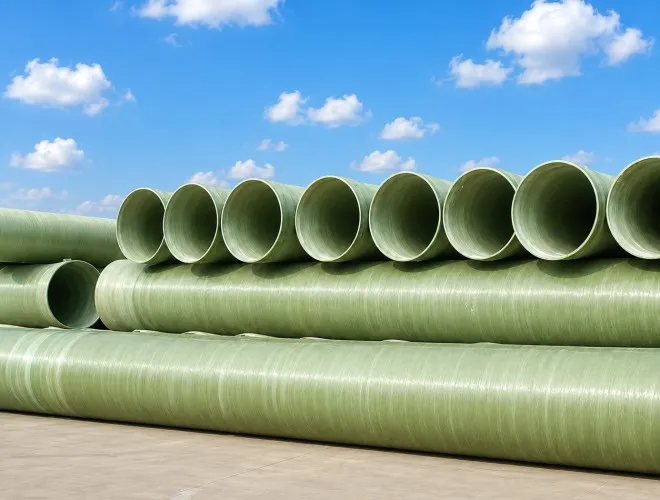
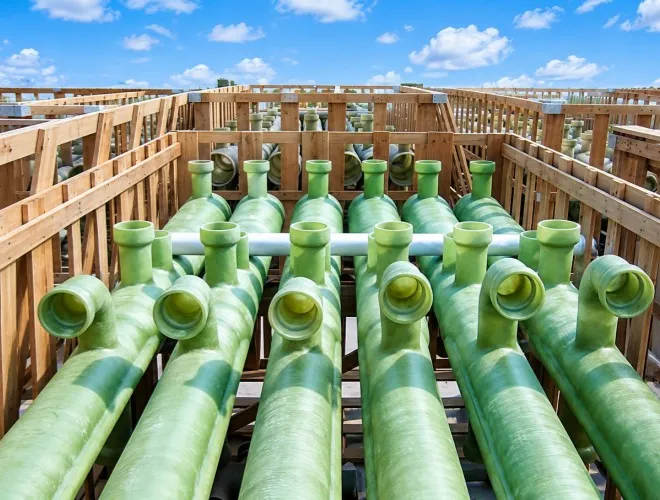
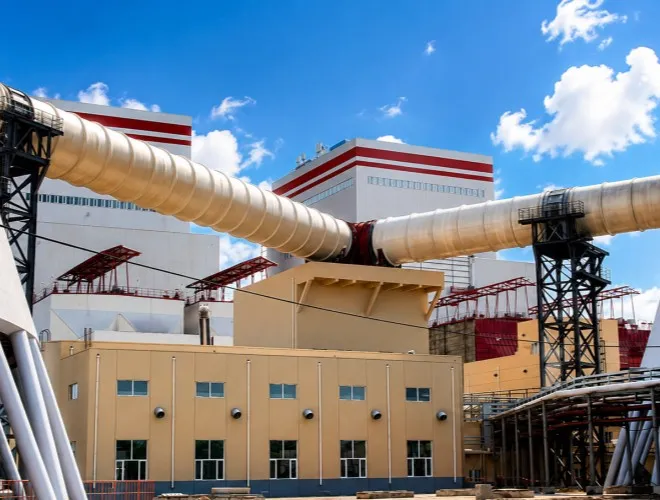
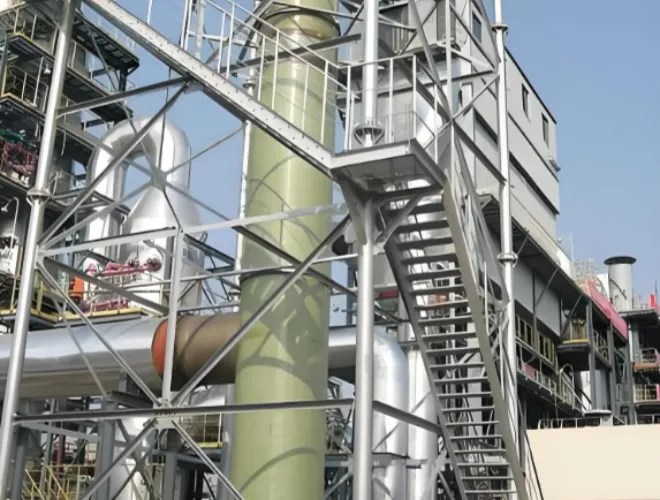
A chemical project often requires more than an isolated tank or pipe. Storage vessels need nozzles, vents, overflow lines, ladders, platforms and supports. Transfer systems require compatible pipe, elbows, tees, reducers, flanges and field joints. Process ventilation may include hoods, ducts, scrubbers, towers, demisters and stacks. Wastewater systems may require collection tanks, neutralization vessels, chemical dosing units and non-metallic gratings. By coordinating these products as one system, differences in material compatibility, connection dimensions and maintenance access can be addressed earlier. Yingnai can manufacture standard forms as well as custom geometries based on drawings, process layouts and installation limitations.
FRP does not rust in the same way as steel and does not rely solely on an external coating for corrosion protection. Its relatively low weight can reduce lifting requirements, simplify the installation of large-diameter equipment and lower loads on supporting structures. Smooth internal surfaces can support fluid flow and cleaning, while molded or fabricated shapes allow complex nozzles and transitions to be incorporated. For many chemical services, FRP can also reduce the frequency of repainting, lining repair and replacement caused by corrosion. However, material choice must still account for temperature limits, fire performance, static control, abrasion and mechanical impact. Where these factors are important, special resin systems, conductive layers, flame-retardant formulations, wear liners or protective details should be evaluated.
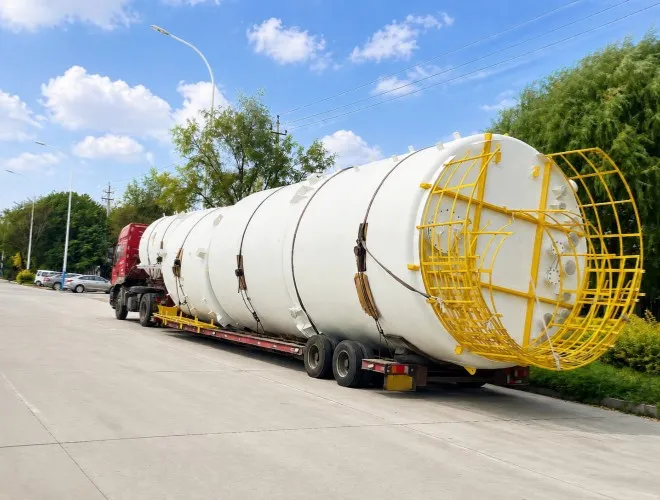
Reliable FRP equipment depends on more than nominal thickness. Engineers must consider liquid head, pressure, vacuum, cyclic filling, agitator or piping loads, wind, seismic forces, support spacing, anchor design, thermal movement and transportation. Nozzle areas require appropriate local reinforcement, while flat bottoms, roofs and transitions need geometry that controls deformation. Pipe systems must allow for thrust, expansion, supports and field joint procedures. Outdoor equipment may require ultraviolet-resistant exterior protection, and large vessels may need site assembly or on-site winding when transportation dimensions are limited. These details should be resolved before production so that the finished product fits both the process and the site.
Yingnai manufactures a broad range of FRP tanks, pipes, towers, ducts, fittings, gratings, pultruded profiles and custom products, with filament winding as a key capability. The company can review media data, drawings and operating requirements, then coordinate material selection, structural design, manufacturing and inspection. Its non-metallic material testing center supports evaluation of FRP raw materials and finished products. For customers, this means communication can extend beyond purchasing a single item to resolving interfaces between equipment, piping, supports and installation. Project documents, dimensional checks, packaging and delivery arrangements can also be prepared according to agreed requirements.
The value of FRP in chemical processing is realized over years of operation. A suitable product should resist the intended medium, maintain structural integrity, remain accessible for inspection and be practical to repair if local damage occurs. Correct installation, controlled field bonding and proper operation are as important as factory manufacturing. Yingnai therefore treats each chemical project as a combination of material compatibility, structural performance, fabrication quality and site conditions. The goal is not to claim that one composite solves every problem, but to provide a well-matched FRP system that reduces corrosion risk, supports stable production and lowers avoidable maintenance throughout the equipment lifecycle.
 English