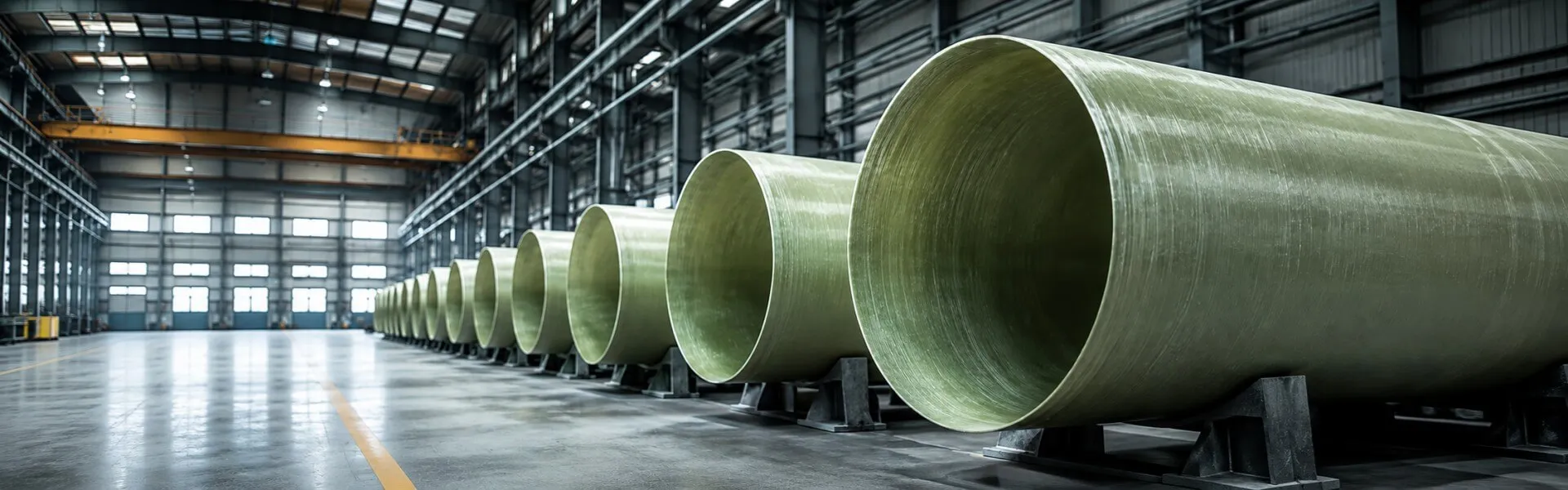
Yingnai manufactures a complete range of FRP piping systems for chemical processing, water treatment, industrial drainage, seawater and underground applications. Combining corrosion resistance, lightweight construction and smooth flow performance, our FRP pipes can be customized in diameter, pressure rating, wall structure, resin system and connection method.
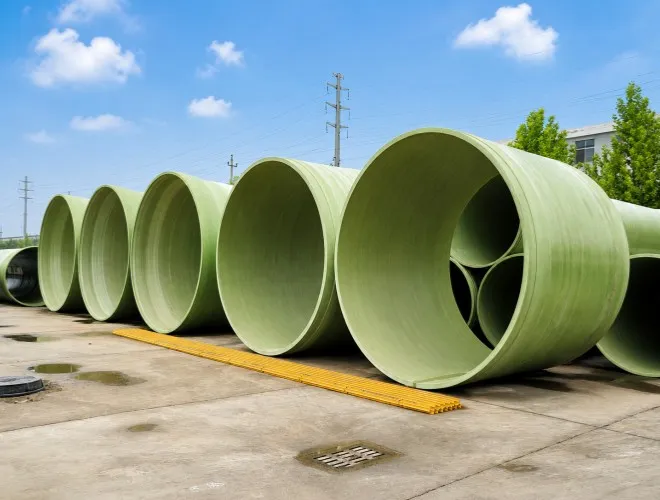
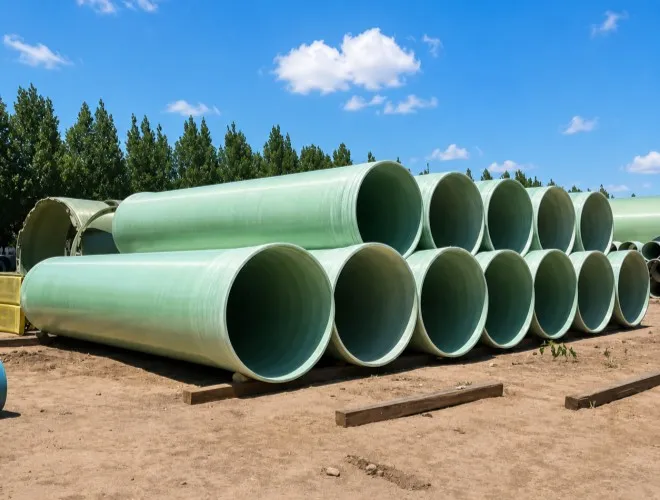
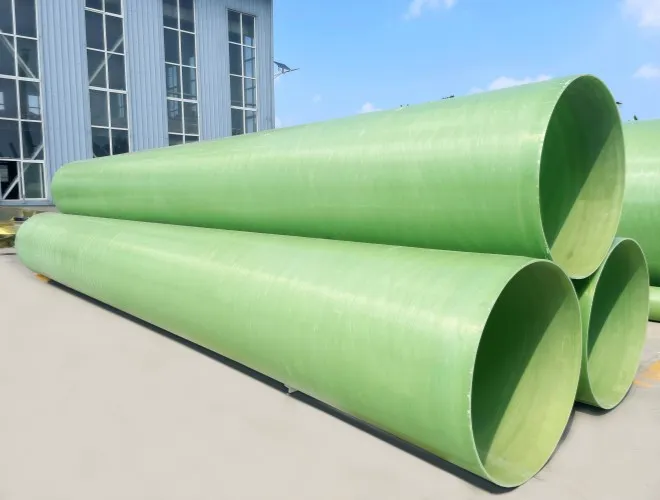
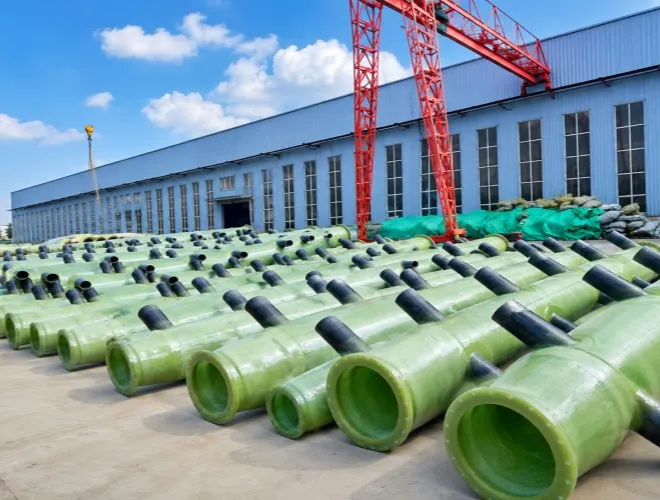
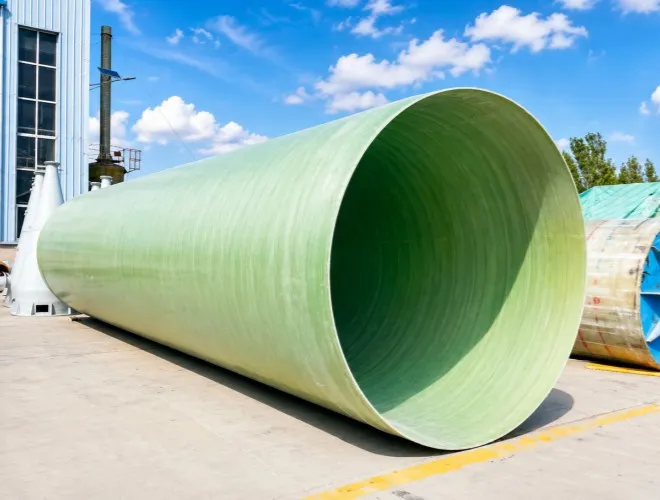
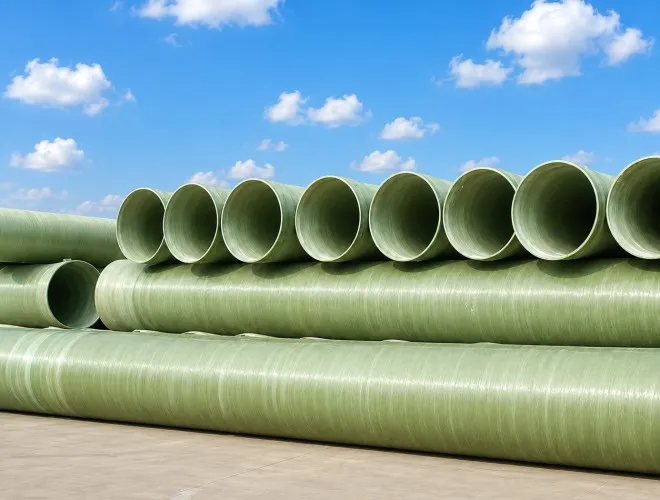
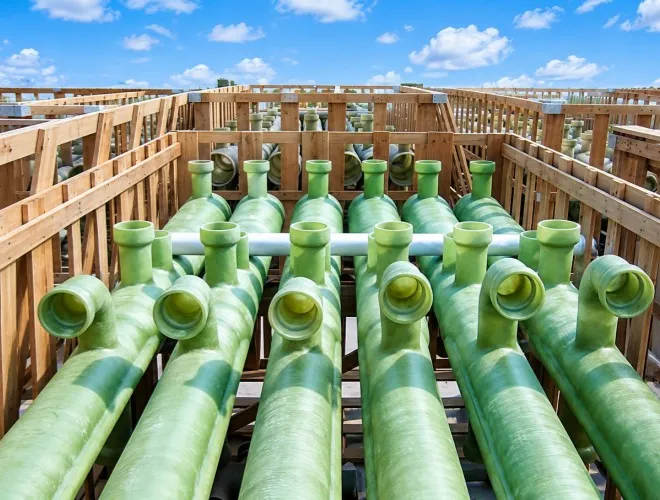
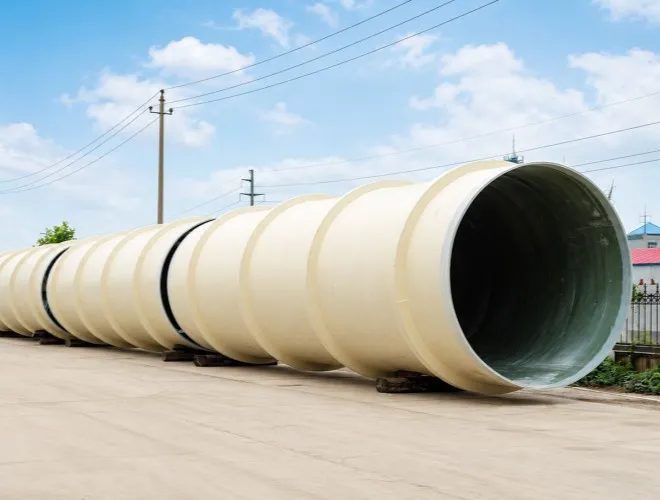
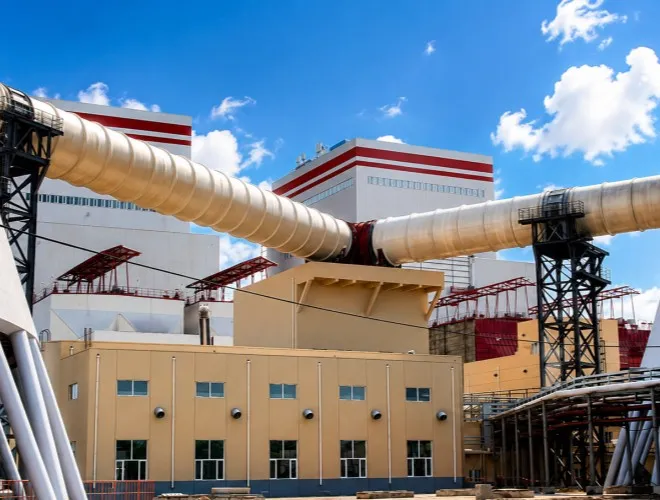
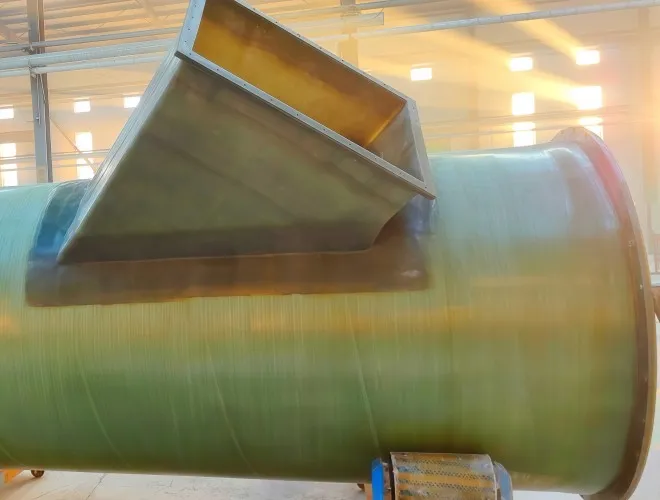
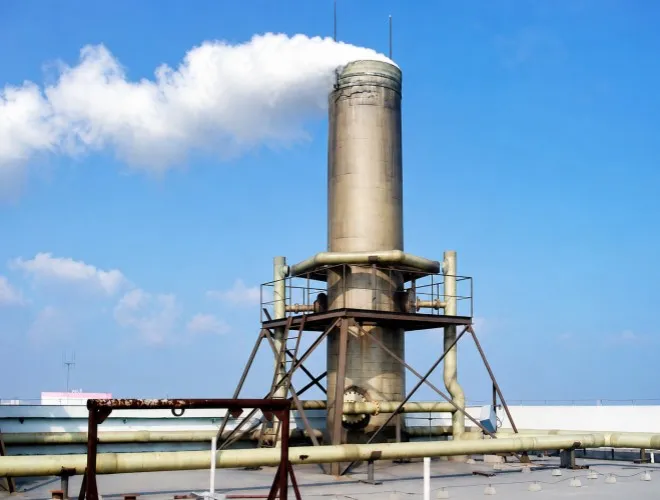
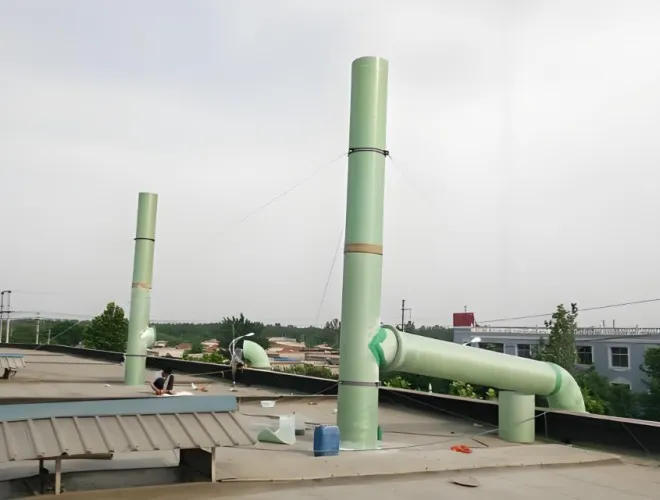
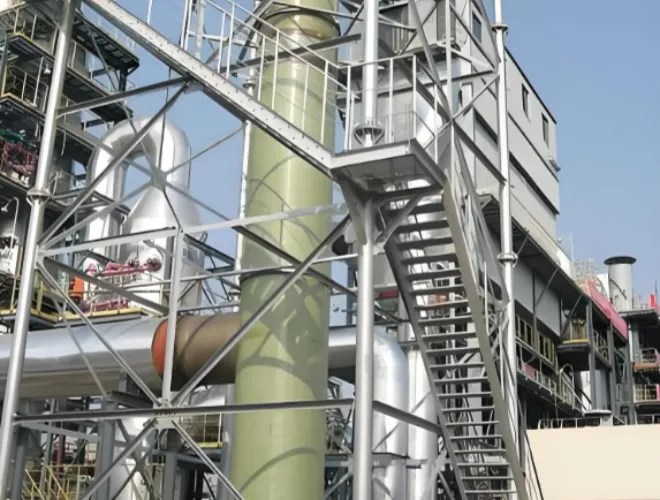
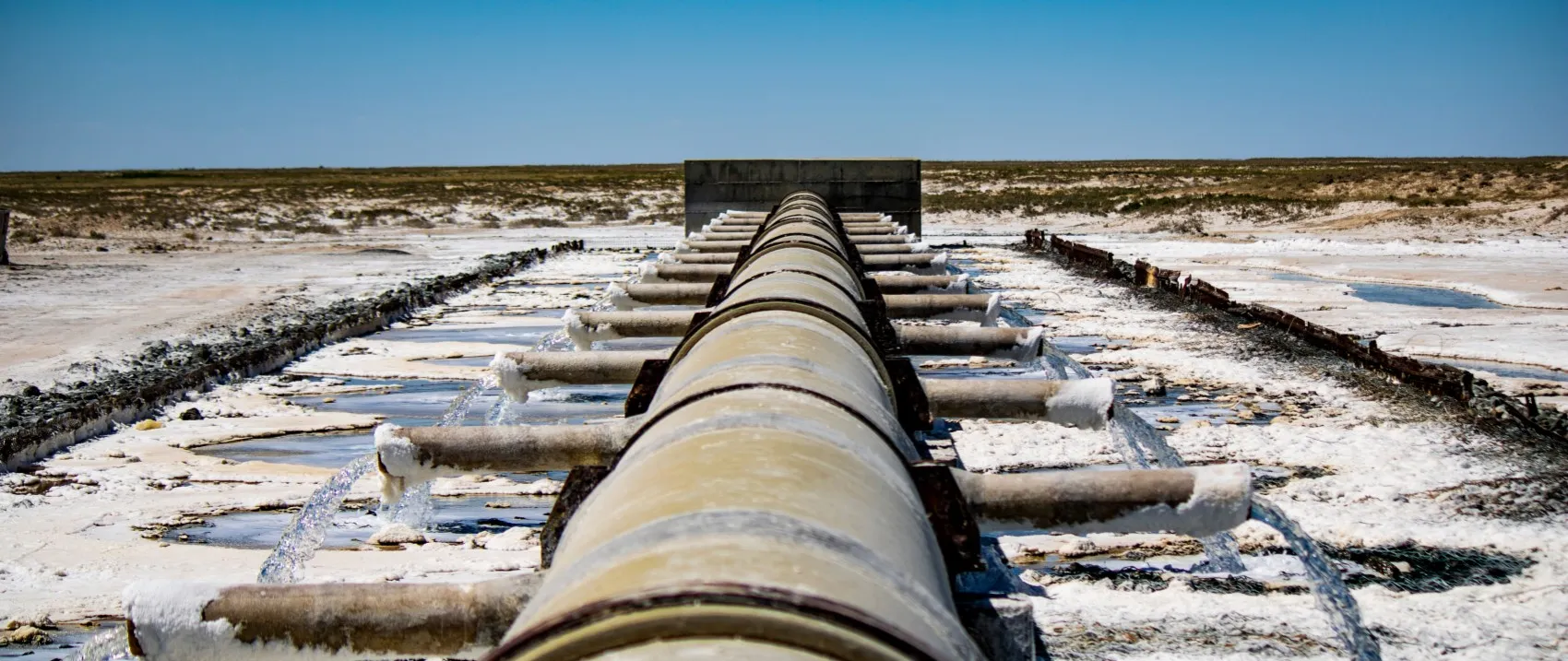
Yingnai FRP Pipes use application-specific resin systems and corrosion barriers selected for acids, alkalis, salts, seawater, wastewater and process chemicals, providing reliable long-term performance across demanding industrial fluid-handling environments.
Smooth internal surfaces help reduce hydraulic resistance and maintain efficient flow, while the lightweight composite structure simplifies transportation, lifting and installation compared with many conventional metallic piping systems.
Yingnai supplies process, pressure and high-stiffness buried FRP piping with customizable diameters, pressure classes, wall structures and joints, supporting chemical processing, water transfer, sewage and long-distance pipeline applications.
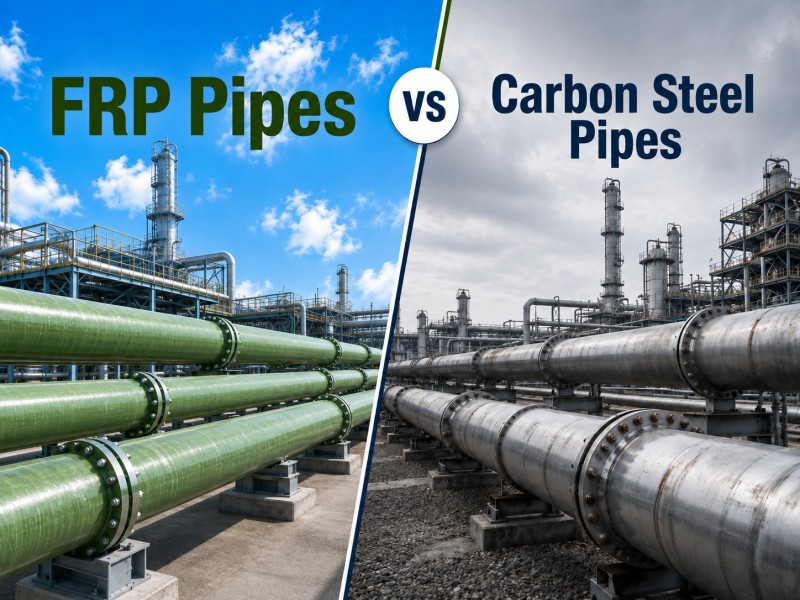
Corrosion Resistance
Yingnai FRP Pipes resist many acids, alkalis, salts, seawater and wastewater without relying on external corrosion coatings. Carbon steel generally requires lining, coating or corrosion allowance for aggressive service.
Weight and Installation
FRP pipe sections are substantially lighter than comparable steel piping, reducing lifting, transportation and support requirements. Carbon steel provides higher inherent rigidity but normally requires heavier installation equipment and structures.
Hydraulic Performance
The smooth internal surface of Yingnai FRP Pipes helps maintain low hydraulic resistance and stable flow performance. Steel surfaces may become rougher over time when corrosion or deposits develop.
Temperature and Structural Limits
Carbon steel remains advantageous for very high temperatures, severe mechanical loads and certain high-pressure duties. FRP is particularly competitive where corrosion resistance, moderate temperatures and reduced maintenance are priorities.
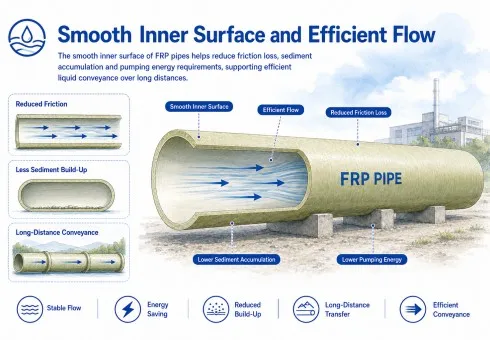
The smooth inner surface of FRP pipes helps reduce friction loss, sediment accumulation and pumping energy requirements, supporting efficient liquid conveyance over long distances.
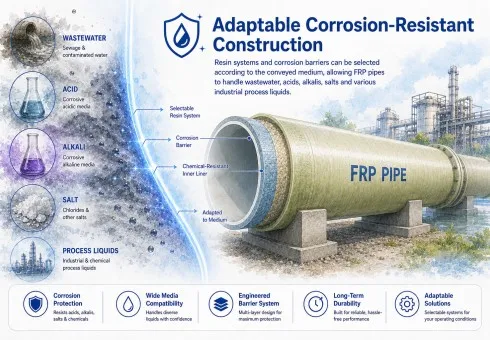
Resin systems and corrosion barriers can be selected according to the conveyed medium, allowing FRP pipes to handle wastewater, acids, alkalis, salts and various industrial process liquids.
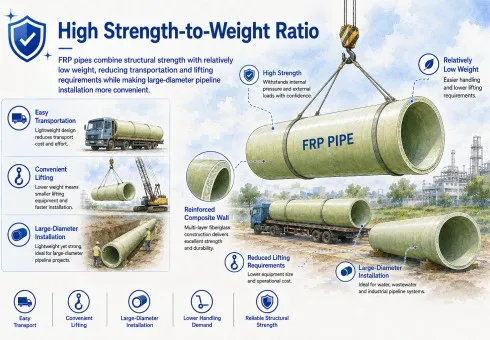
FRP pipes combine structural strength with relatively low weight, reducing transportation and lifting requirements while making large-diameter pipeline installation more convenient.
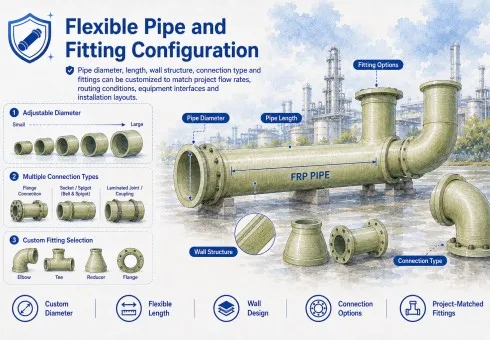
Pipe diameter, length, wall structure, connection type and fittings can be customized to match project flow rates, routing conditions, equipment interfaces and installation layouts.
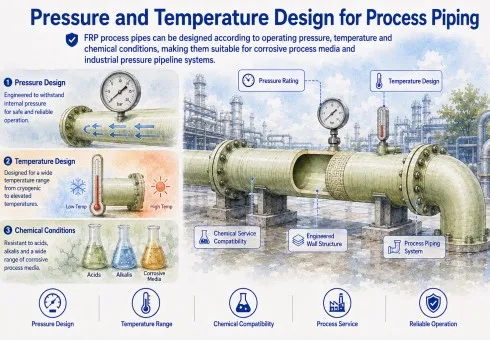
FRP process pipes can be designed according to operating pressure, temperature and chemical conditions, making them suitable for corrosive process media and industrial pressure pipeline systems.
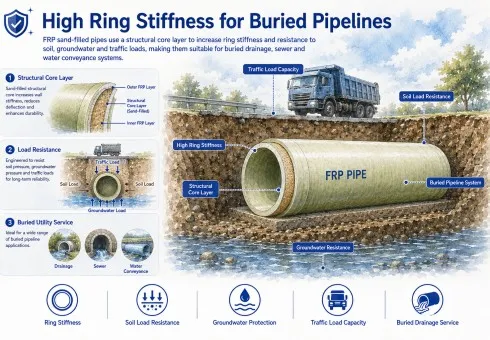
FRP sand-filled pipes use a structural core layer to increase ring stiffness and resistance to soil, groundwater and traffic loads, making them suitable for buried drainage, sewer and water conveyance systems.
 English