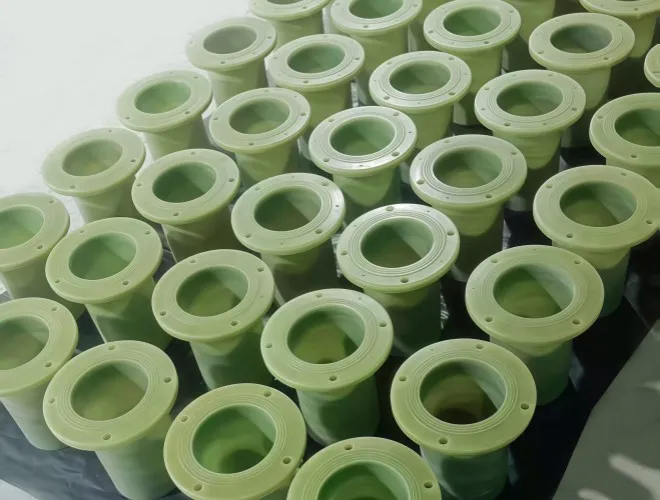
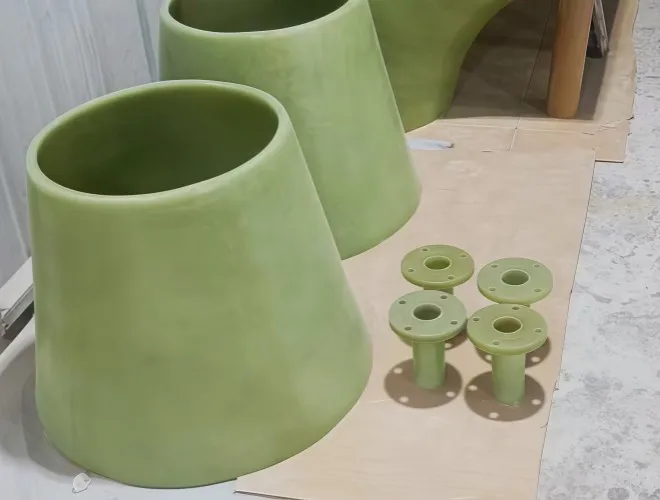
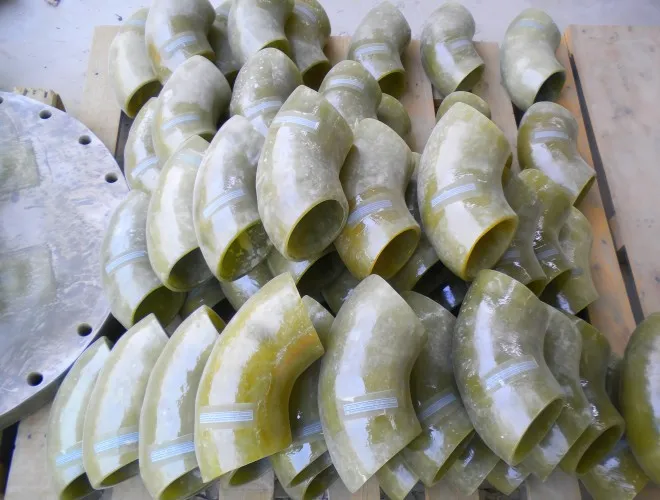
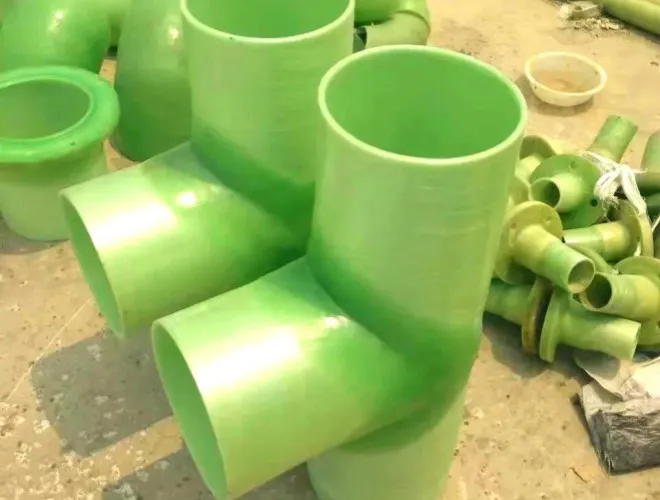
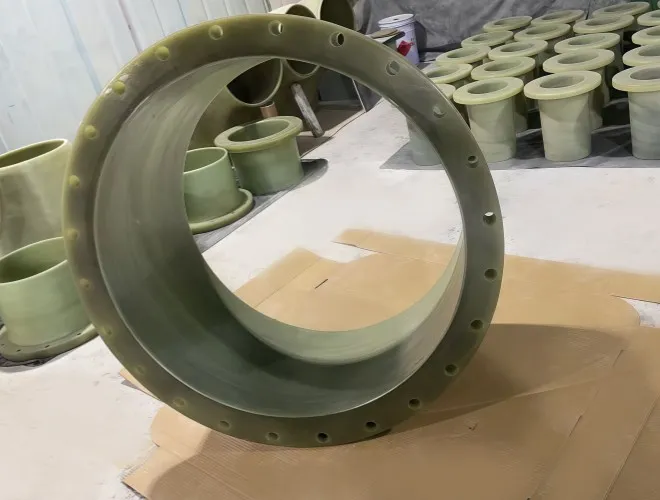
Yingnai FRP flange provides corrosion-resistant, detachable connections for FRP pipelines, valves, pumps and process equipment. Reinforced fiberglass construction combines mechanical strength with resistance to aggressive chemicals and wet environments. Flange dimensions, drilling patterns, pressure ratings, resin systems and sealing surfaces can be customized to match piping specifications and operating conditions.


| Item | Typical Technical Specification |
| Product Name | FRP Flange |
| Primary Function | Detachable bolted connection between FRP pipe, equipment nozzles, valves and dissimilar-material piping |
| Typical Manufacturing Range | DN25–DN2000 as a regular fabricated range; DN2000–DN4000 by engineered fabrication |
| Flange Construction | Integral flange, flange-on-pipe, bonded flange or laminated stub-end flange |
| Flange Face | Flat face is standard; full-face gasket seating is normally preferred for FRP |
| Hub Configuration | Straight hub, tapered hub or flange bonded directly to the pipe end |
| Typical Pressure Classes | PN6, PN10 and PN16; higher or vacuum service requires separate qualification |
| Bolt Drilling | ASME B16.5, ASME B16.47, EN 1092-1, JIS B 2220 or project-specified pattern |
| Dimension Symbols | DN, flange outside diameter OD, pitch circle diameter PCD, bolt-hole quantity n, bolt-hole diameter d, flange thickness t and hub length L |
| Resin Options | Isophthalic polyester, bisphenol-A vinyl ester, novolac vinyl ester or another chemically compatible thermoset resin |
| Corrosion Barrier | Resin-rich inner layer with corrosion-resistant veil; typical thickness 2.5–5.0 mm depending on service |
| Structural Reinforcement | E-glass or ECR-glass mat, woven roving and directional reinforcement around the hub and bolt circle |
| Gasket | Full-face EPDM, NBR, FKM, PTFE-envelope or another chemically compatible gasket |
| Bolt Tightening | Controlled cross-pattern tightening with flat washers; excessive local bolt load shall be avoided |
| Manufacturing Method | Machine-made, contact-molded, compression-molded or laminated onto the pipe end |
| Operating Temperature | Normally selected for the resin system; standard vinyl ester systems are commonly used up to about 80°C, with higher temperatures requiring a dedicated resin system |
| Inspection | OD, PCD, bolt-hole position, face flatness, thickness, hub alignment, visual quality, cure and Barcol hardness |
| Applicable Standards | ASTM D4024, ASTM D5421, ASTM D6041, ASME NM.2 and the selected drilling standard |

 English