Hebei Yingnai Environmental Protection Technology Co., Ltd.
Contact
FRP Tanks

FRP Tanks

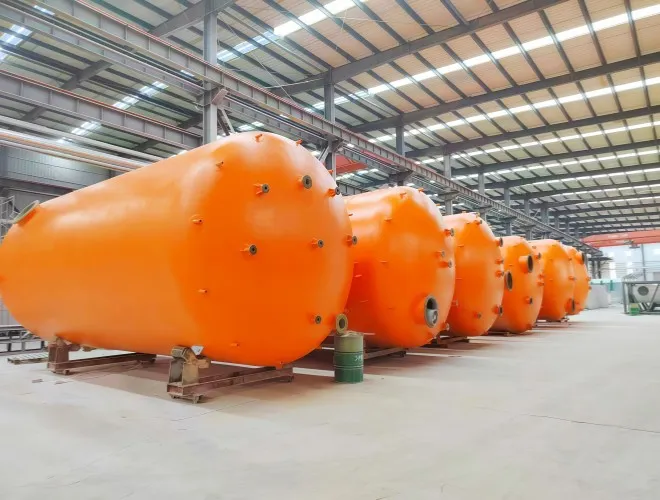
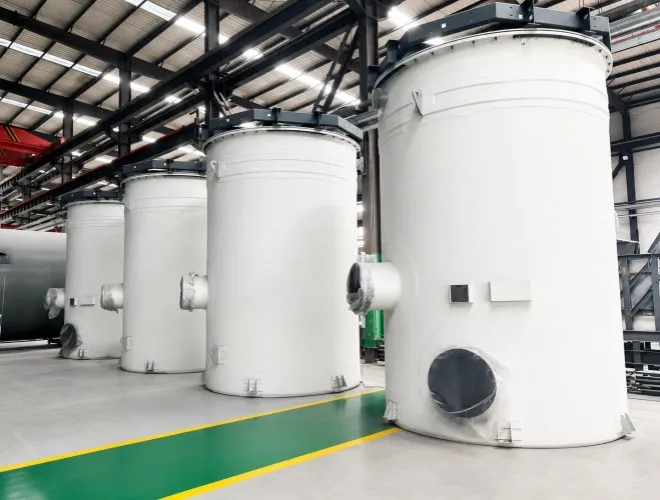
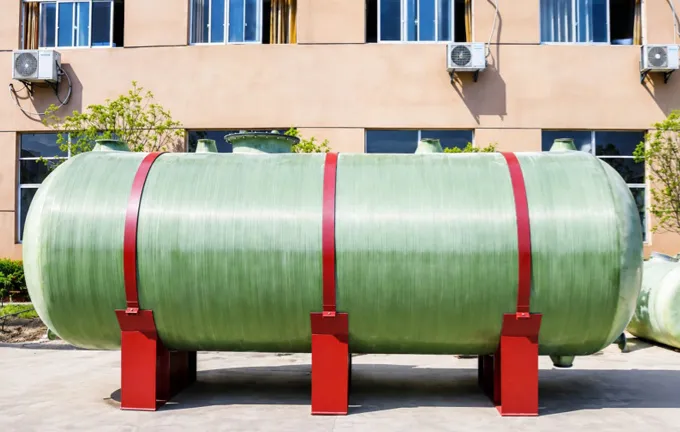
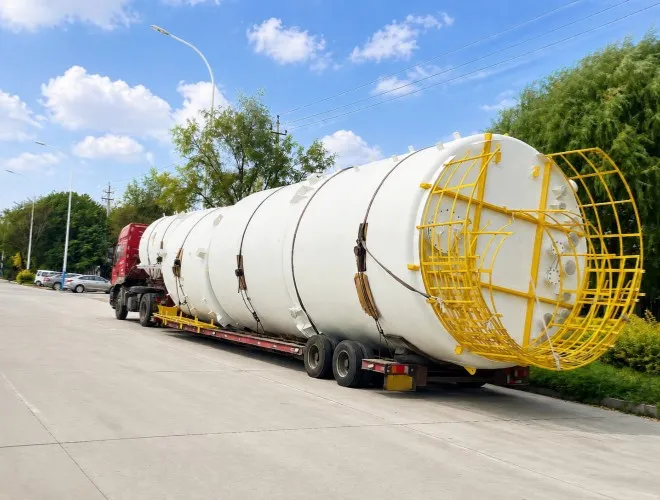
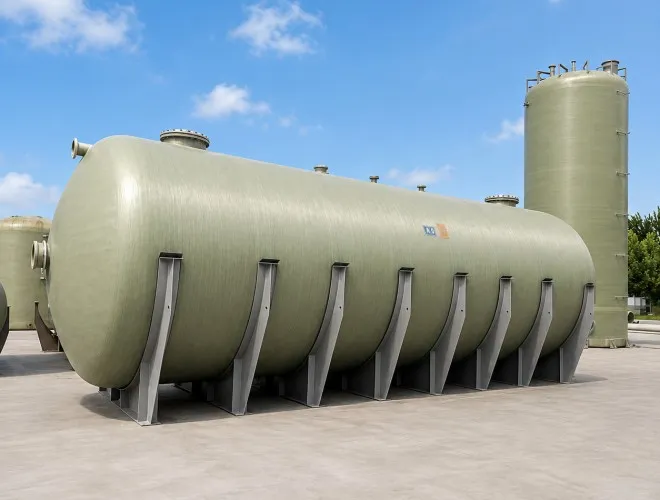
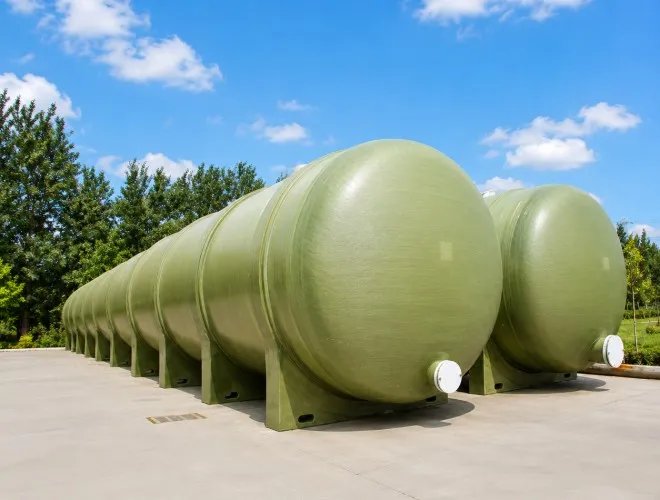
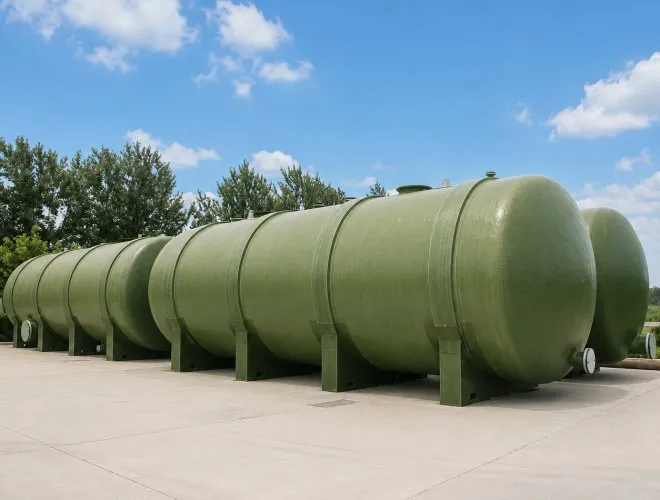
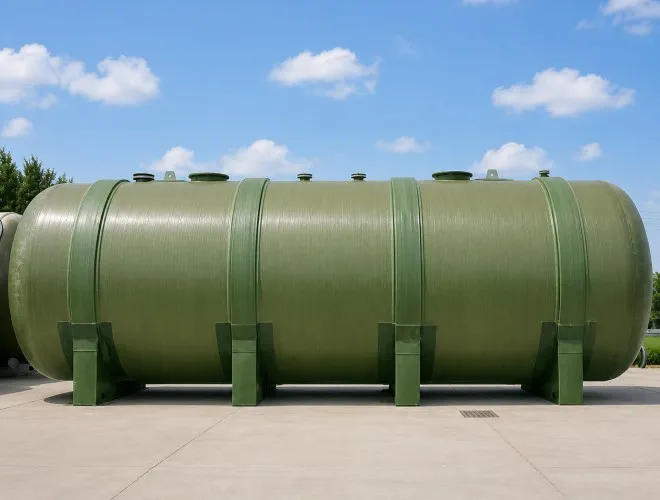
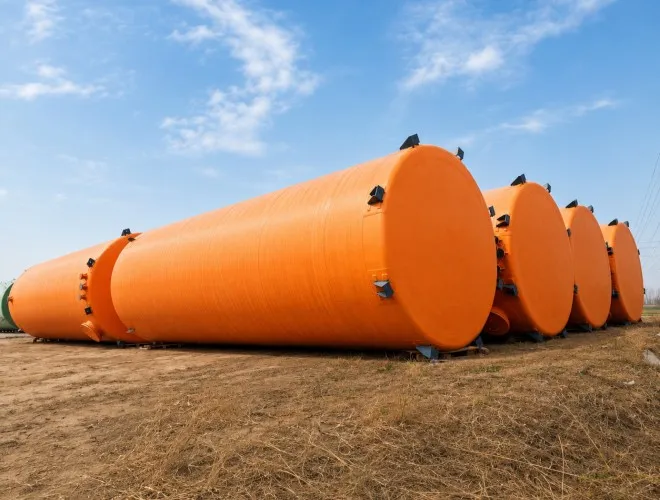
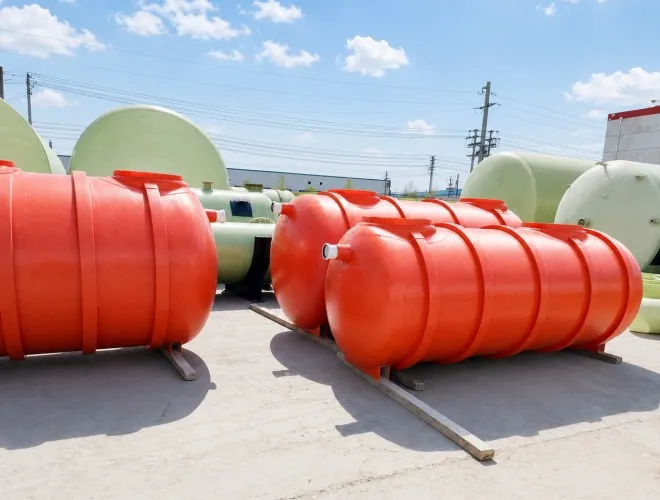
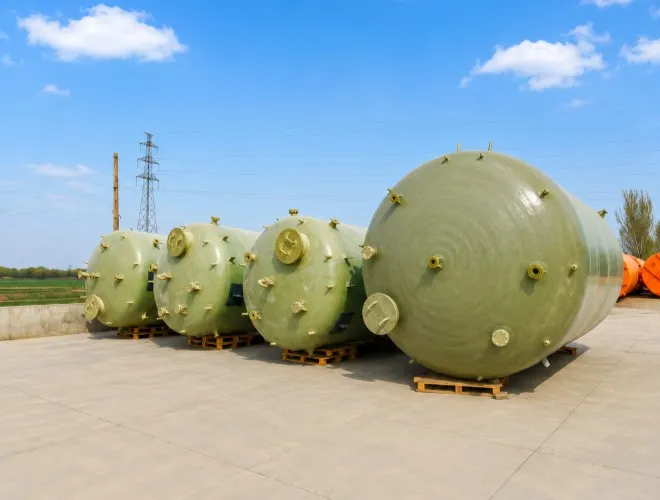
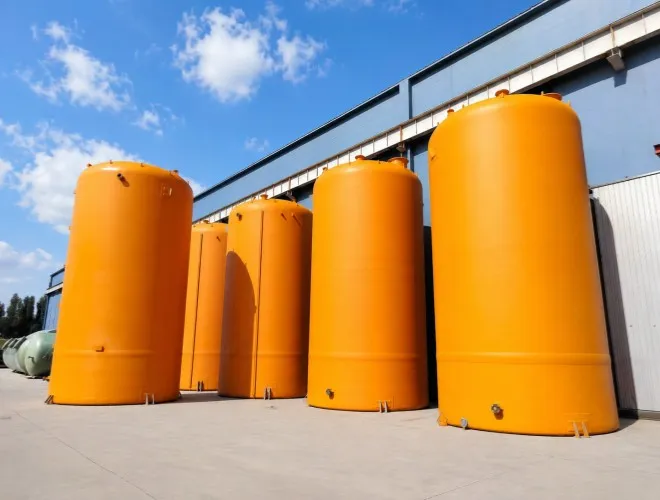
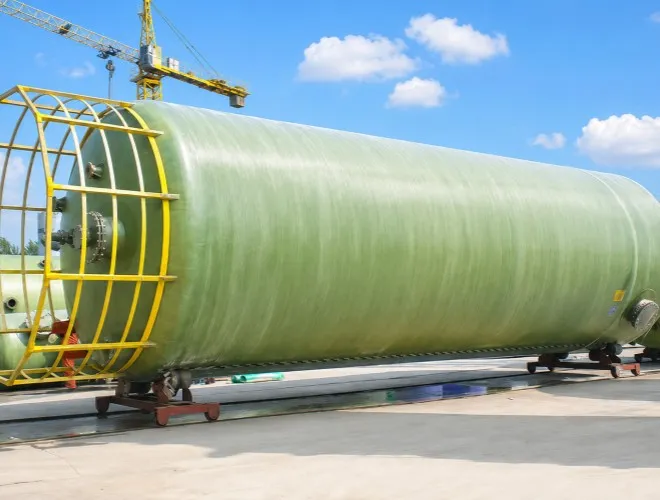
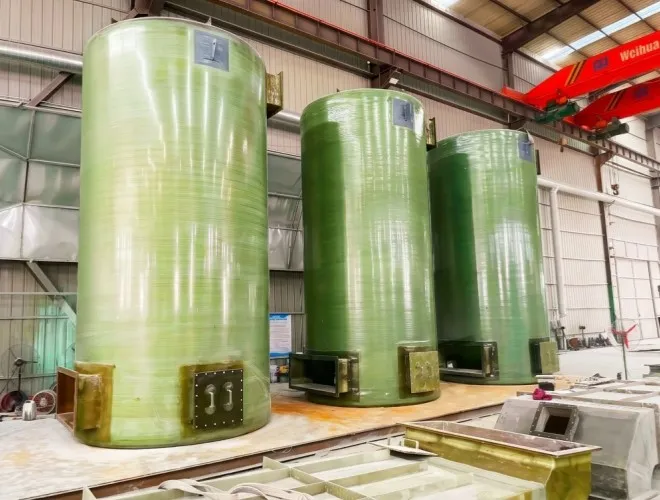
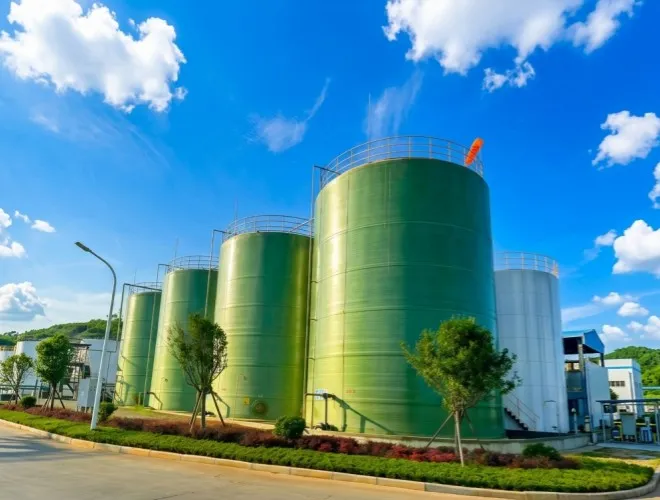
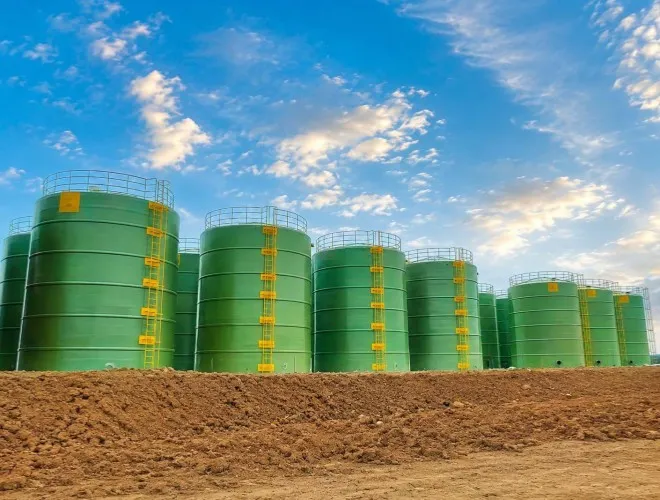
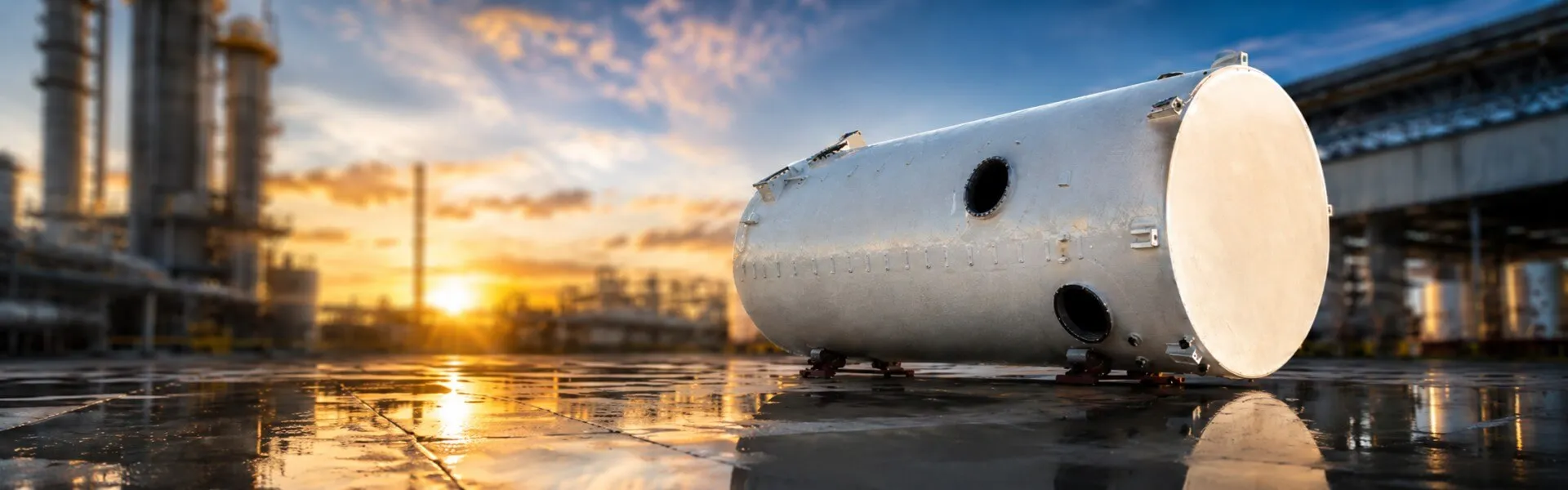
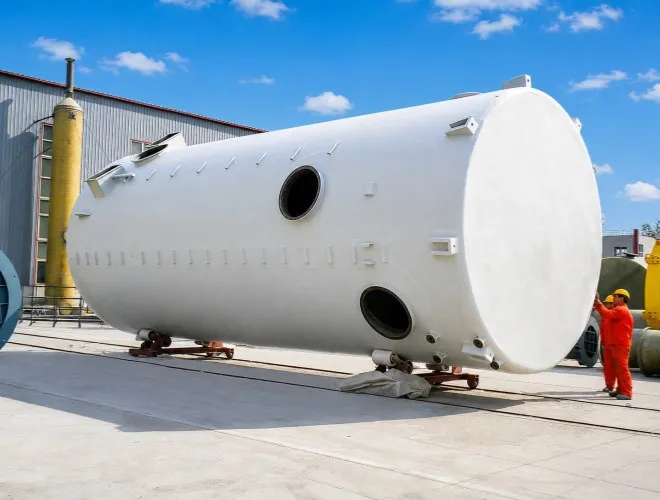
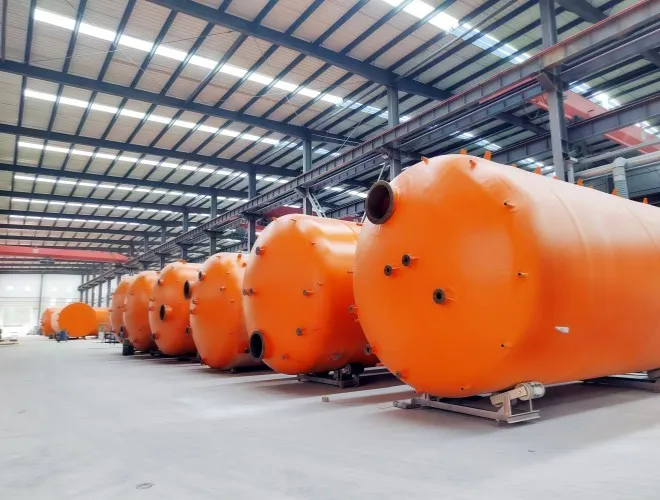
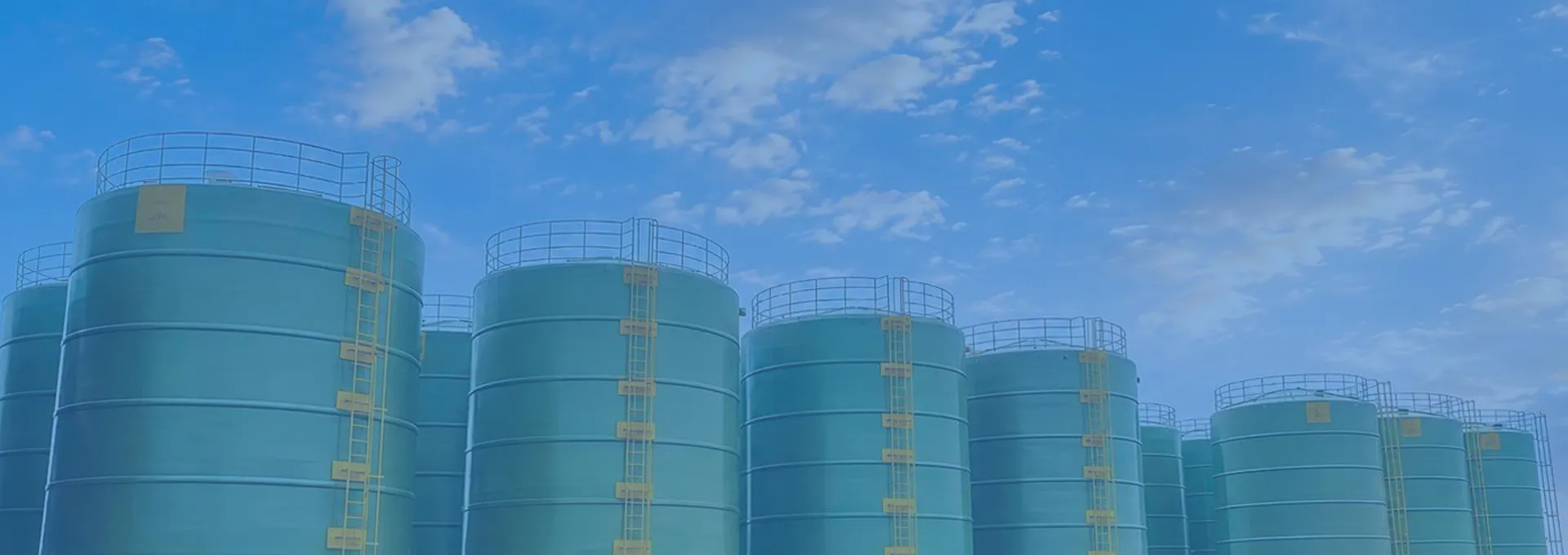
Yingnai FRP tanks provide long-term anti-corrosion storage solutions for chemicals, wastewater, fuels, oils, process media and large field-assembled projects. Fabricated with fiberglass composite structures and matched dedicated resin systems, the tanks feature light weight for easy installation and customizable nozzles with an outstanding service life. They are widely used in major industrial sectors including chemical engineering, water treatment, seawater desalination, waste gas treatment and municipal infrastructure.
Get a Quote

Types of FRP Tanks

FRP Chemical Storage Tanks
FRP Wastewater Tanks
Fiberglass Fuel and Oil Tanks
FRP Industrial Process Tanks
Large Field Erected FRP Tanks
FRP Chemical Tanks

FRP Chemical Tanks

FRP Chemical Tanks are suited to projects that need reliable containment of acids, alkalis, salts and other corrosive process liquids.
FRP Acid Tanks

FRP Acid Tanks

FRP Acid Tanks are selected specifically for long-term acidic-liquid storage rather than general process containment.
FRP Chemical Mixing Tank

FRP Chemical Mixing Tank

FRP Chemical Mixing Tanks are appropriate when a project requires both corrosion-resistant containment and controlled blending in the same vessel.
FRP Process Tanks

FRP Process Tanks

FRP Process Tanks are used when the vessel must do more than simple storage, such as buffering, circulation or intermediate liquid processing.
FRP Sewer Tanks

FRP Sewer Tanks

FRP Sewer Tanks are intended for collection and containment within sewage, drainage and contaminated-liquid systems.
FRP Sewage Treatment Tank

FRP Sewage Treatment Tank

FRP Sewage Treatment Tanks are used as part of a treatment process rather than only as holding vessels.
FRP Wastewater Treatment Tank

FRP Wastewater Treatment Tank

FRP Wastewater Treatment Tanks are suited to industrial treatment duties such as equalization, neutralization, precipitation and chemical conditioning.
FRP Wastewater Storage Tank

FRP Wastewater Storage Tank

FRP Wastewater Storage Tanks are intended for containment of industrial effluent, process drainage and chemically contaminated wastewater where storage is the primary duty.
FRP Wastewater Holding Tank

FRP Wastewater Holding Tank

FRP Wastewater Holding Tanks are chosen when wastewater needs temporary collection before transfer, treatment or disposal. Unlike treatment tanks, the key concern is controlled holding and reliable movement of the liquid.
FRP Septic Tank

FRP Septic Tank

FRP Septic Tanks are intended for decentralized sewage systems that combine collection, sedimentation and preliminary anaerobic treatment.
FRP Bio Digester Tank

FRP Bio Digester Tank

FRP Biodigester Tanks are selected for anaerobic digestion or biological treatment of organic wastewater and biodegradable waste. Process requirements such as retention arrangement and gas handling distinguish this tank from ordinary storage vessels.
FRP Oil Tanks

FRP Oil Tanks

FRP Oil Tanks are suitable only where the stored oil or petroleum-related liquid is compatible with the selected composite material system.
FRP Crude Oil Tank

FRP Crude Oil Tank

FRP Crude Oil Tanks require project-specific review of crude composition, hydrocarbon service, temperature, and corrosive contaminants before material and structural selection.
FRP Fuel Storage Tanks

FRP Fuel Storage Tanks

FRP Fuel Storage Tanks should be considered only after compatibility between the fuel and composite material system has been established.
FRP Diesel Fuel Tank

FRP Diesel Fuel Tank

FRP Diesel Fuel Tanks are project-specific products and depend on confirmed chemical compatibility between diesel and the selected resin system. Buyers should then evaluate installation location, required capacity and operating or regulatory requirements.
FRP Waste Oil Tank

FRP Waste Oil Tank

FRP Waste Oil Tanks are used for collection and temporary storage rather than long-term process storage. Because waste composition may vary, resin compatibility and site conditions should be confirmed before tank selection.
FRP Process Tanks

FRP Process Tanks

FRP Process Tanks are used when the vessel must do more than simple storage, such as buffering, circulation or intermediate liquid processing.
FRP Industrial Mixing Tank

FRP Industrial Mixing Tank

FRP Industrial Mixing Tanks are appropriate when the main duty is blending, dissolving, neutralizing or conditioning corrosive liquids.
Large Fiberglass Tank

Large Fiberglass Tank

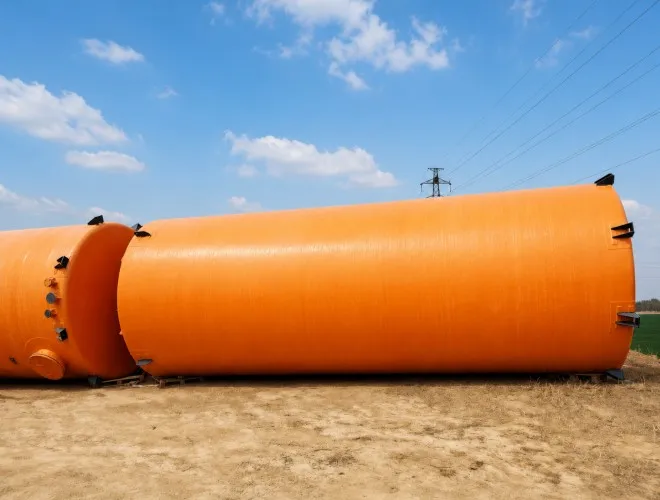
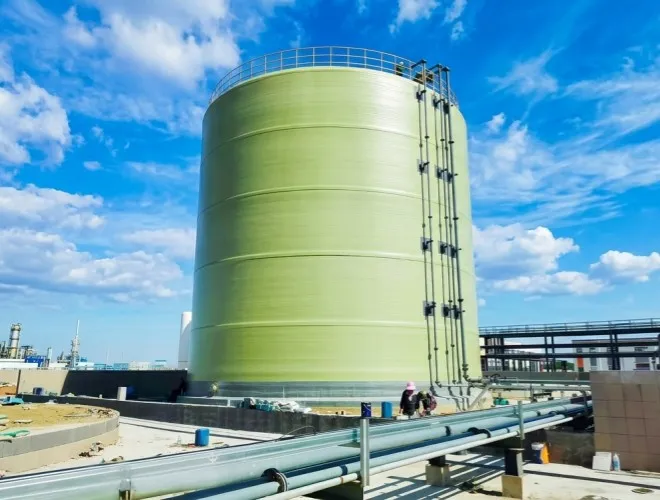
Large Fiberglass Tanks are selected when required storage volume or vessel diameter exceeds the practical limits of standard transported tanks.
Large FRP Oil Tank

Large FRP Oil Tank

Large FRP Oil Tanks combine high-capacity oil storage with field-fabricated composite construction. Their use depends first on compatibility between the stored oil and the selected material system.
Large FRP Storage Tank

Large FRP Storage Tank

Large FRP Storage Tanks are suited to high-volume chemical, water, wastewater and compatible process-liquid storage where site fabrication is advantageous.
Why Our FRP Tanks Stand Out

Why Our FRP Tanks Stand Out

Media-Matched Inner Liner

Each tank can use a corrosion-resistant inner liner selected for the stored liquid, helping acids, alkalis, wastewater, salts or selected oils stay separated from the structural layer.

01
Tank Structure Built Around Capacity

Diameter, height, wall thickness, stiffeners, supports, manholes and nozzles are designed around tank capacity, installation method and service conditions, not a fixed catalog shell.

02
Project-Ready Manufacturing and Delivery

From workshop-fabricated tanks to large field-erected vessels, Yingnai controls winding, curing, trimming, inspection, packaging and transport planning to support practical project delivery.
03

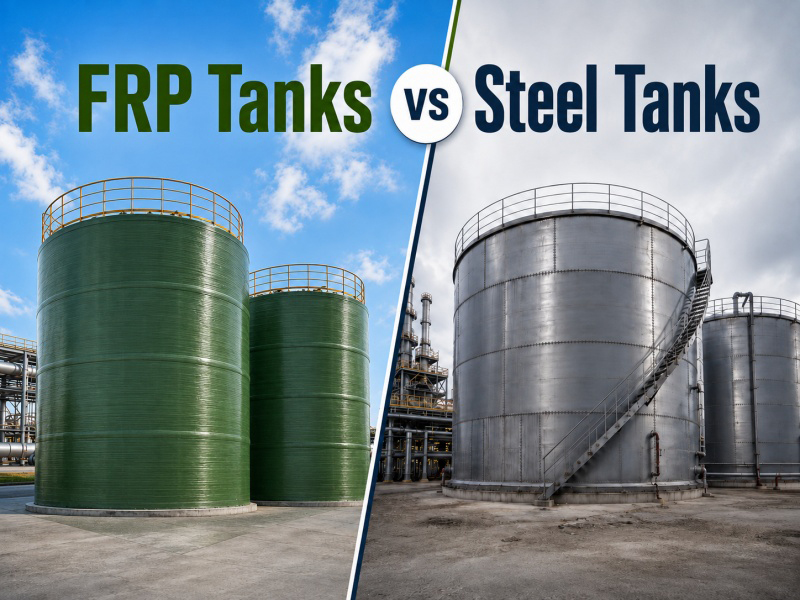
FRP Tanks vs Steel Tanks: Why Fiberglass Wins

FRP Tanks vs Steel Tanks: Why Fiberglass Wins
  • Better Corrosion Resistance

    FRP tanks do not rely on metal corrosion protection alone. Resin and liner systems can be selected for acids, alkalis, salts, wastewater and other corrosive media.

  • Lower Weight for Easier Handling

    FRP tanks are generally lighter than steel tanks, which can simplify transportation, lifting and installation, especially for projects with limited access or rooftop layouts.

  • Reduced Maintenance

    For many corrosive applications, FRP tanks can reduce repainting, lining repair and rust-related maintenance, helping operators control long-term operating costs.

  • Flexible Customization

    FRP tanks can be designed with customized size, nozzles, manholes, supports and accessories, making them suitable for non-standard industrial storage requirements.
Key Features of FRP Tanks

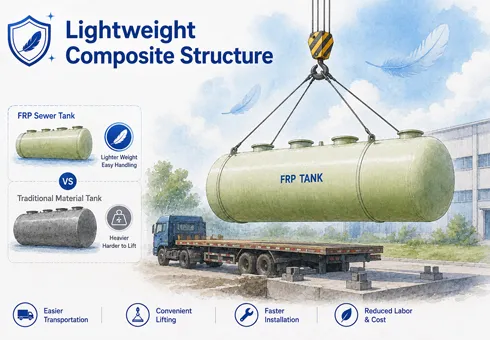
Lightweight Composite Structure

Compared with many traditional materials, FRP sewer tanks are lighter, making transportation, lifting and installation more convenient.
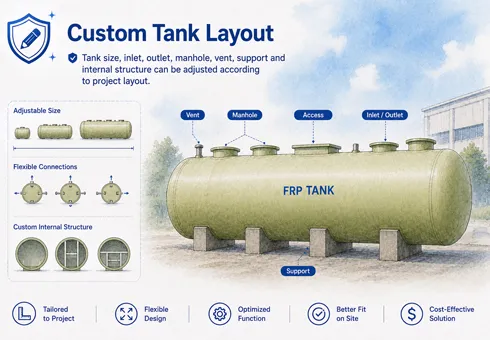
Custom Tank Layout
Custom Tank Layout

Tank size, inlet, outlet, manhole, vent, support and internal structure can be adjusted according to project layout.
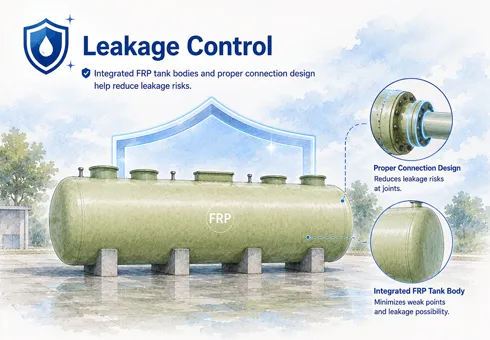
Leakage Control
Leakage Control

Integrated FRP tank bodies and proper connection design help reduce leakage risks in sewage collection and holding applications.
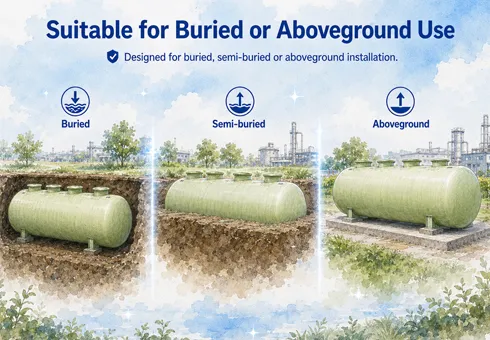
Suitable for Buried or Aboveground Use

FRP sewer tanks can be designed for underground, semi-buried or aboveground installation according to site requirements.
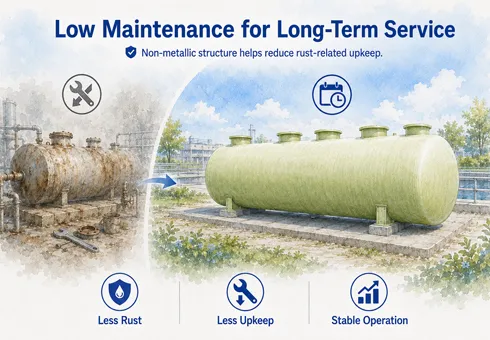
Low Maintenance for Long-Term Service

The non-metallic structure helps reduce rust and corrosion-related maintenance, supporting stable long-term wastewater system operation.
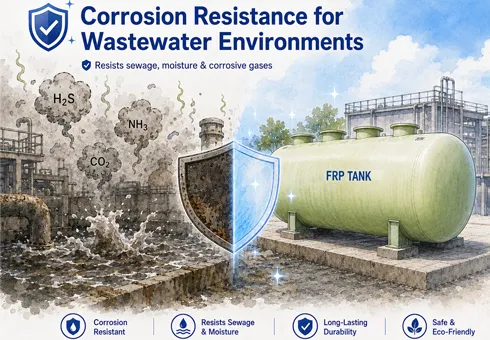
Corrosion Resistance for Wastewater Environments

Selected resin systems and liners help resist sewage, wastewater, moisture and corrosive gases generated in drainage or treatment systems.

Get a Quote for Industrial FRP/GRP Solutions
X
We use cookies to optimise and personalise your experience, but you can choose to opt out of non-essential cookies.
To find out more, read our Privacy Policy
Reject All
Accept All