Mining and mineral-processing facilities combine chemical exposure, abrasive solids, outdoor operation and continuous production. Yingnai provides FRP/GRP tanks, piping, launders, ducts, scrubbers, gratings, profiles and custom equipment for reagent handling, leaching, extraction, solution transfer, ventilation and water recovery. By matching resin systems, structural laminates and optional wear-resistant details to the actual medium and solids content, FRP products can reduce corrosion maintenance, simplify installation and support reliable operation in both new plants and expansion projects. Product structures can also be adjusted for site transport, modular installation, maintenance access and interfaces with existing process equipment.
Mining processes rarely involve a clean liquid. Solutions may contain acids, alkalis, chlorides, dissolved metals, suspended particles and residual reagents. Pumps and pipelines can experience both chemical attack and mechanical wear, while open structures face ultraviolet exposure, rain, dust and temperature changes. A material selected only for corrosion resistance may fail prematurely if velocity, particle size or impact is ignored. FRP allows the chemical barrier, structural laminate and wear protection to be considered separately. This makes it possible to reinforce high-load areas, add replaceable liners or change the surface construction where abrasion is concentrated.
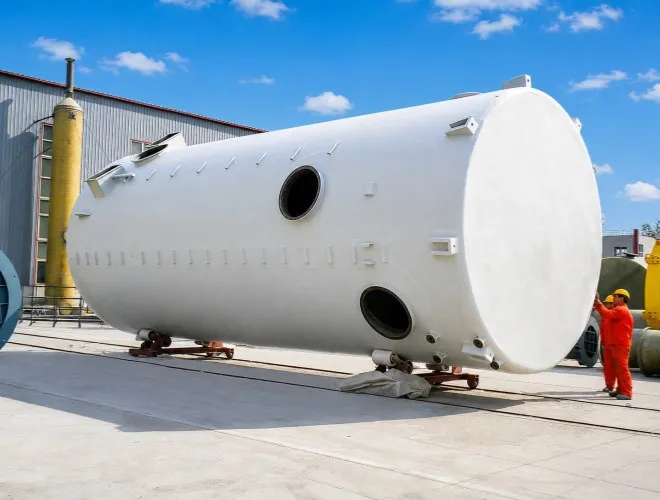
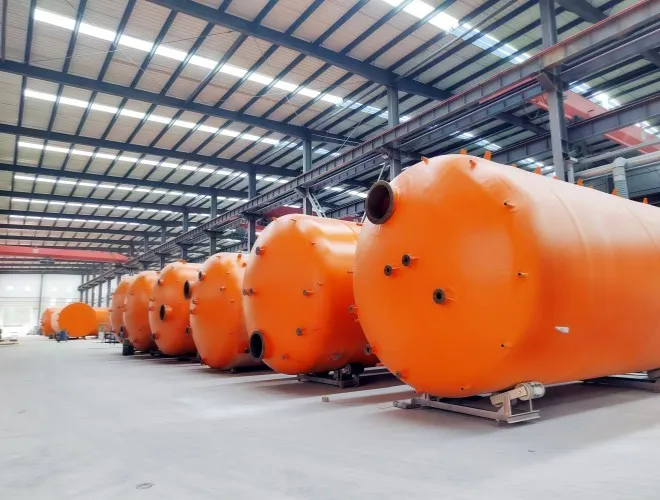
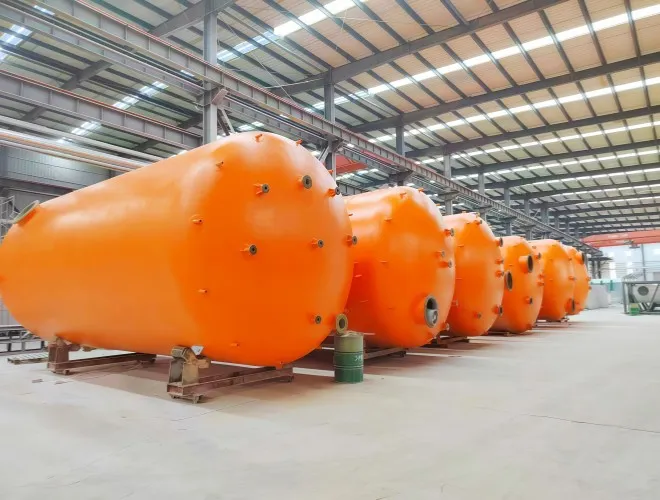
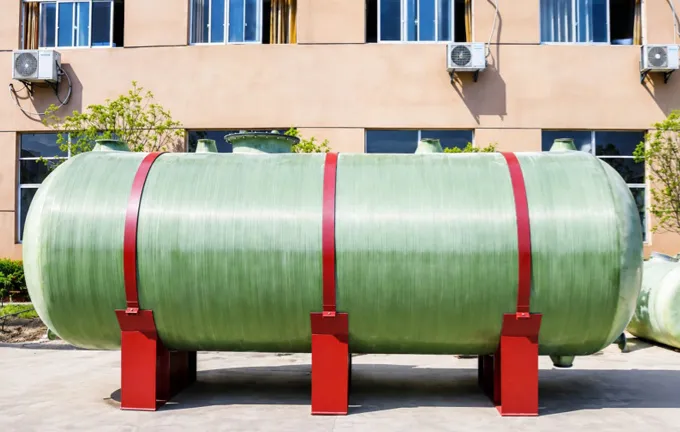
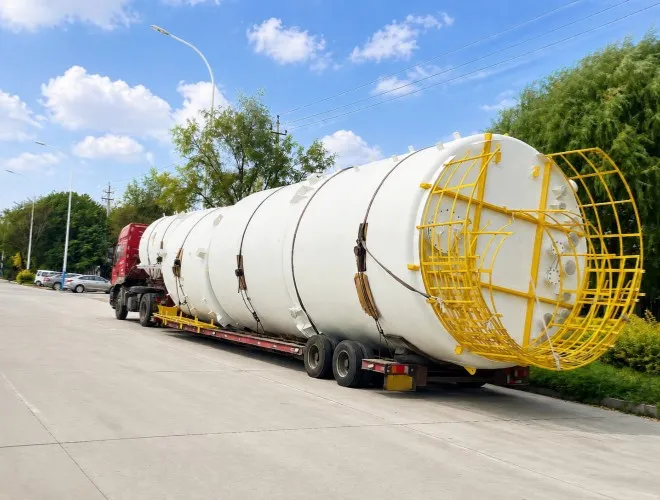
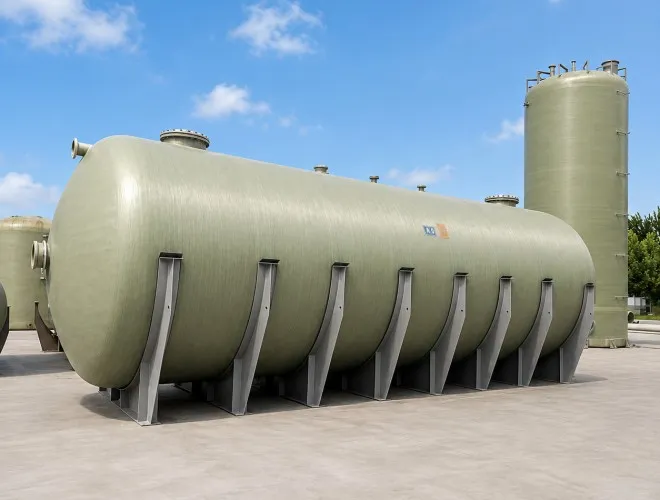
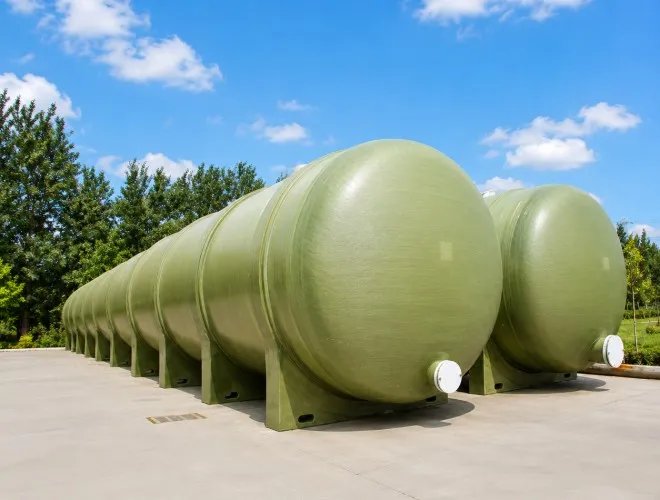
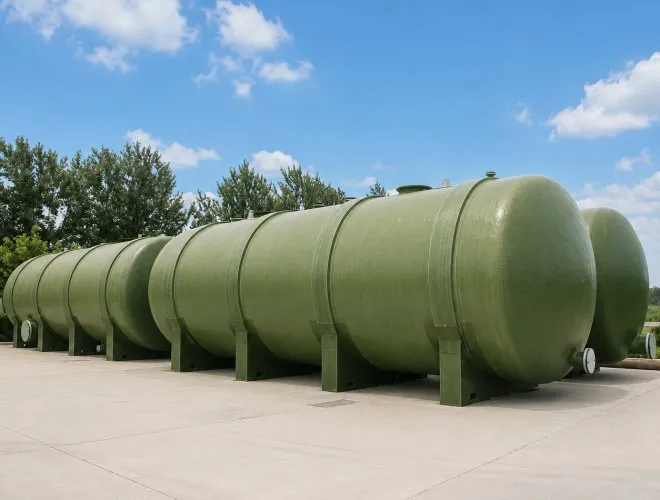
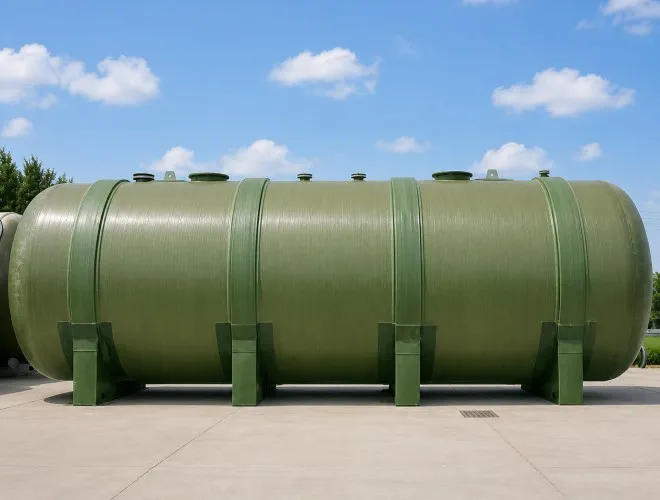
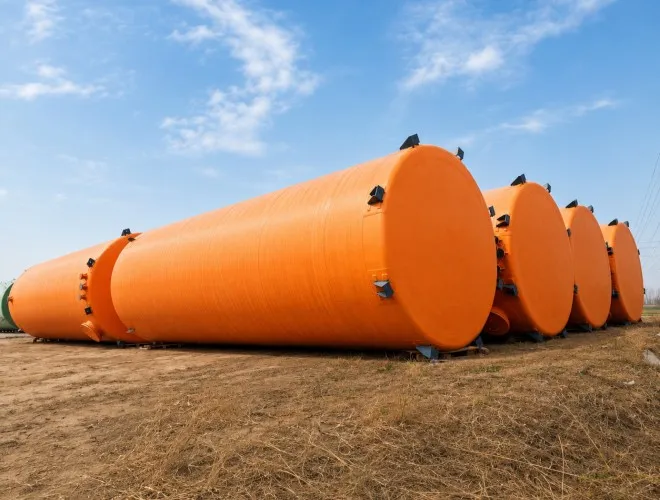
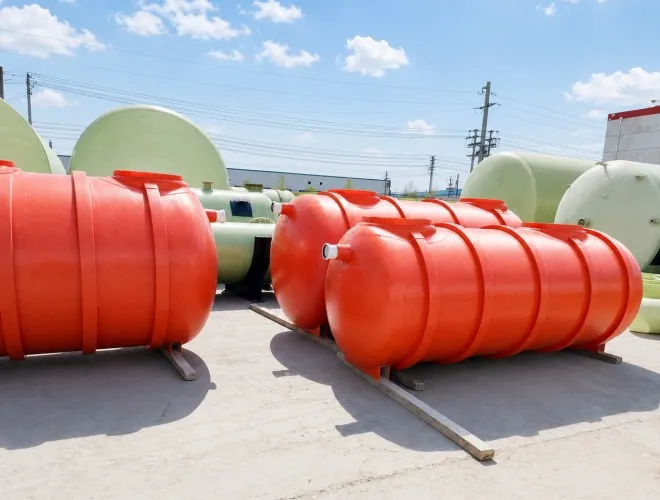
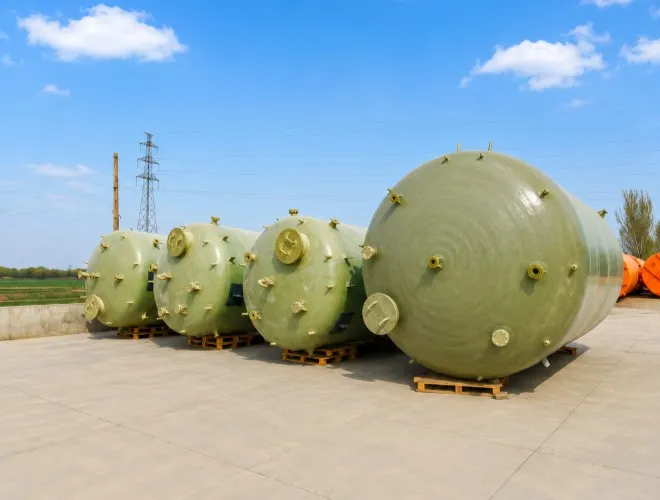
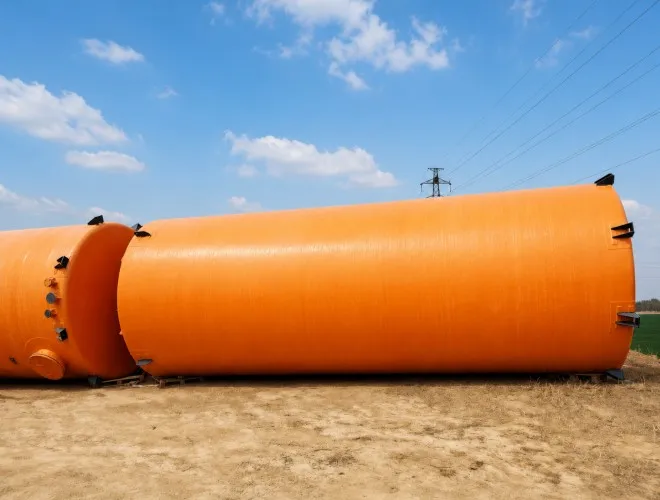
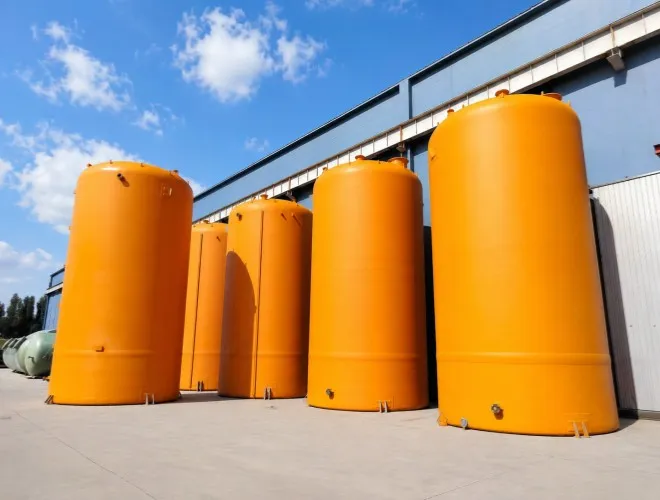
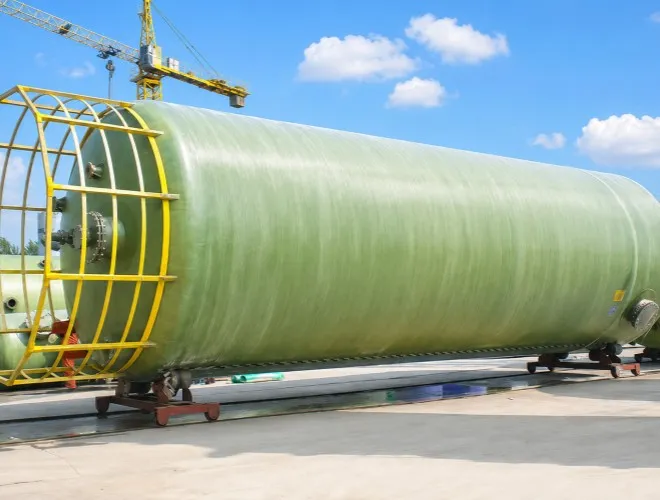
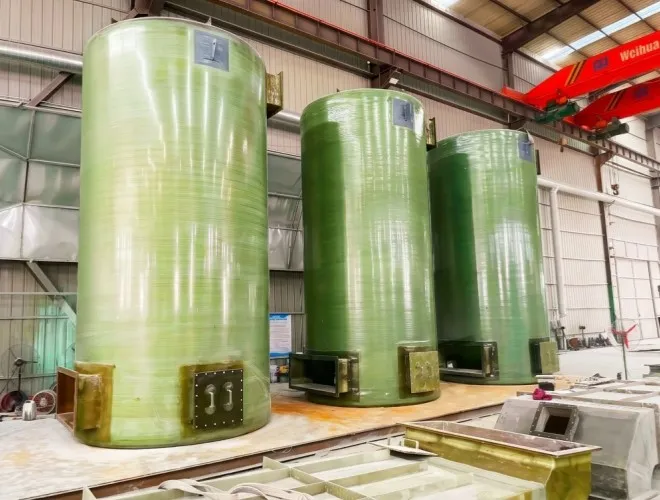
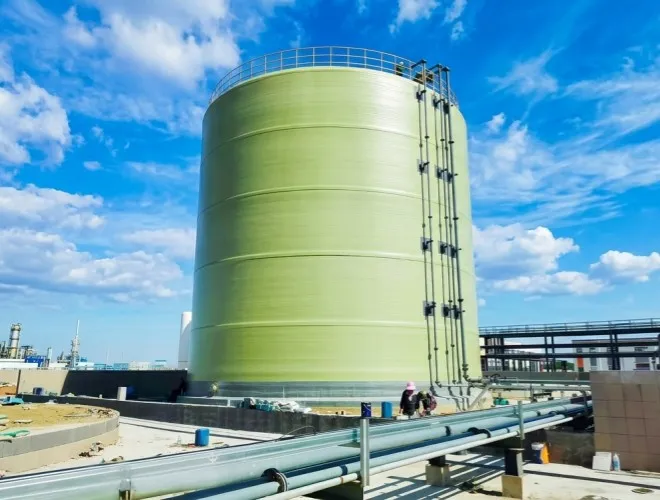
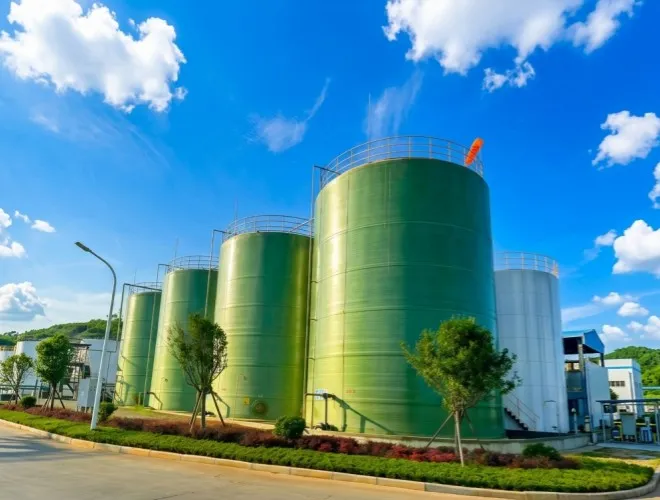
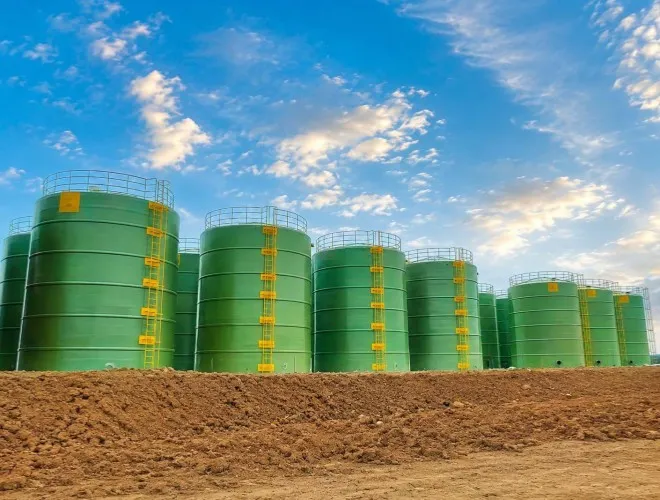
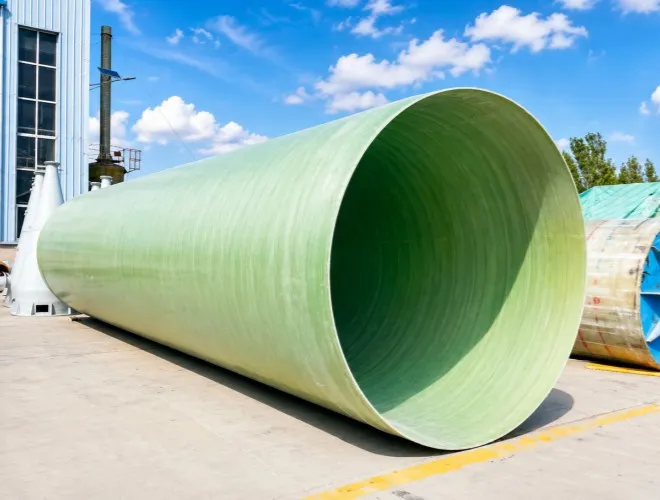
FRP tanks can serve acid, alkali, flocculant, extractant, process-water, pregnant-solution, barren-solution and wastewater duties when material compatibility is confirmed. Filament winding builds continuous glass-fiber reinforcement around cylindrical shells, allowing the structure to be designed for liquid head, pressure, vacuum, wind and seismic loads. Nozzles, manways, vents, overflow lines, level connections and support details can be customized for the plant layout. Where agitators, mixers or heavy piping connect to the vessel, local loads require separate analysis and reinforcement. Large-capacity tanks may be manufactured in sections or wound on site when transportation is restricted.
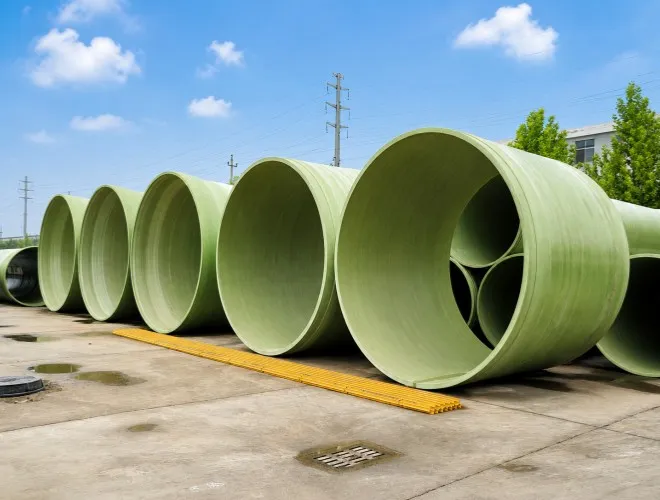
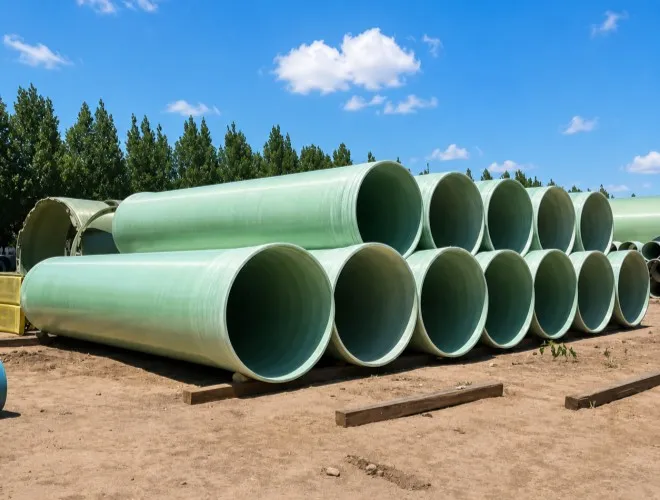
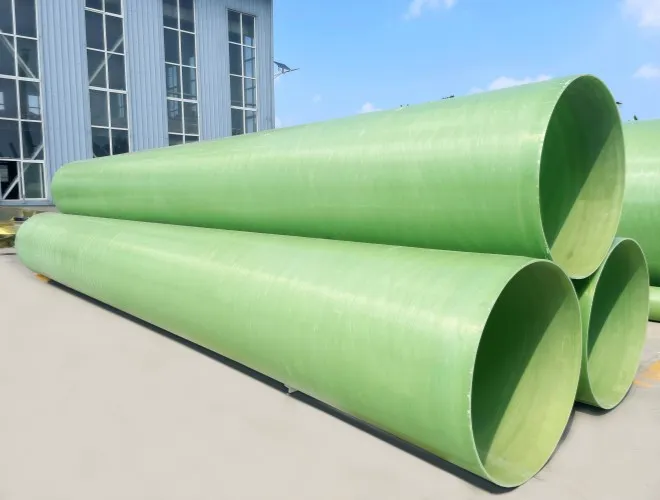
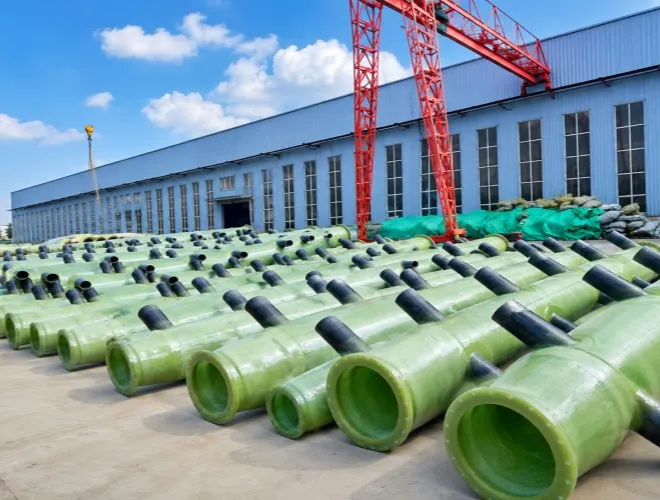
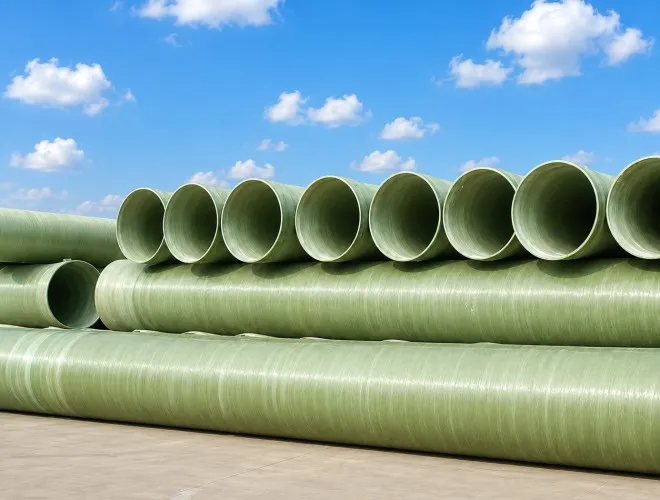
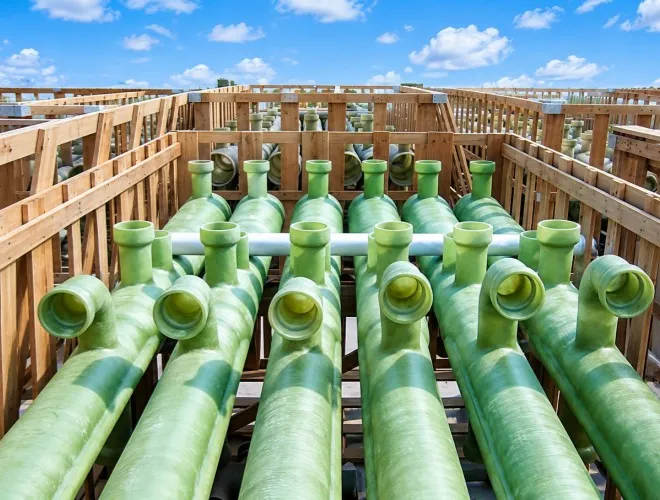
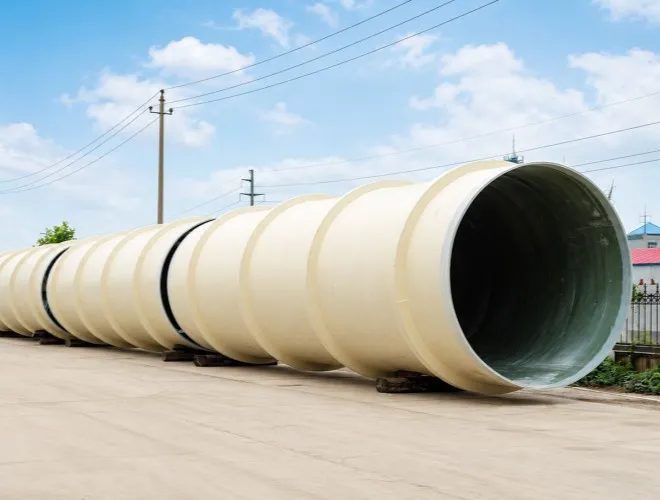
FRP piping can be used for chemical solutions, mine water, process water, reclaim water and selected slurry services. The design basis must define fluid chemistry, solids concentration, particle size, velocity, pressure, vacuum, surge and cleaning method. Lower-velocity solution lines may prioritize corrosion resistance and hydraulic smoothness, while slurry lines may require thicker sacrificial layers, wear liners or replaceable bends. Supports and anchors should distribute loads without damaging the laminate. Elbows, tees, reducers, flanges and field joints must be designed as part of the system, especially where pump vibration, thermal movement or long pipe runs are involved.
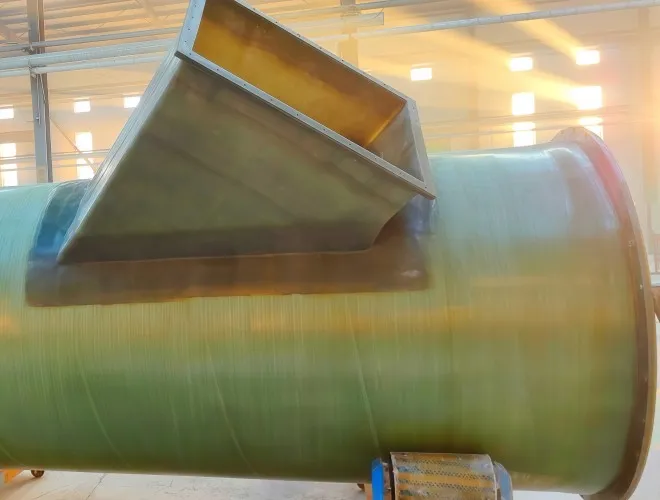
Mineral-processing plants use launders, troughs, covers, hoods, sumps and transitions whose geometry is often specific to the equipment layout. FRP can be molded or fabricated into these non-standard shapes and bonded to create integrated assemblies. Smooth surfaces help liquid flow and cleaning, while local wear zones can be reinforced or protected. Structural ribs, supports and lifting points should be designed to prevent distortion during operation and installation. Accurate drawings and interface dimensions are essential because custom equipment often connects directly to screens, thickeners, filters, mixers or steel structures. Yingnai can manufacture from customer drawings or coordinate design details before production.
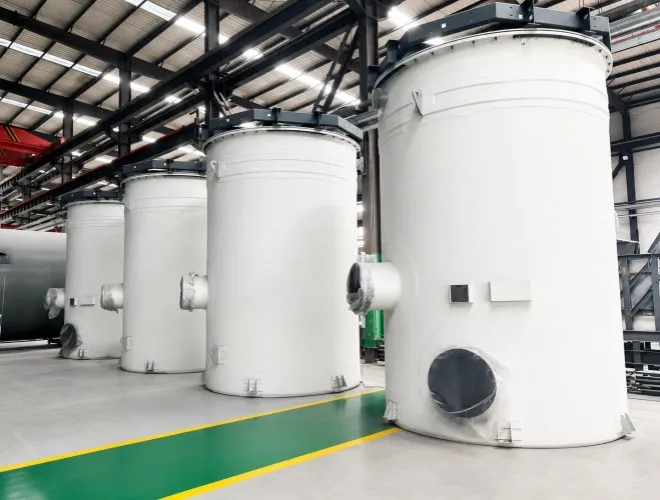
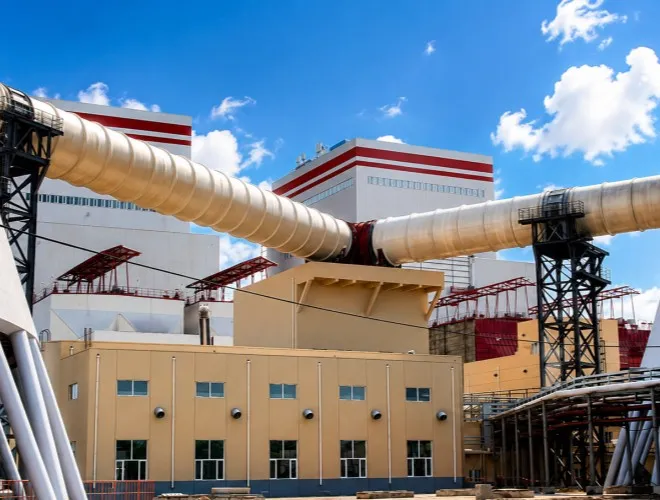
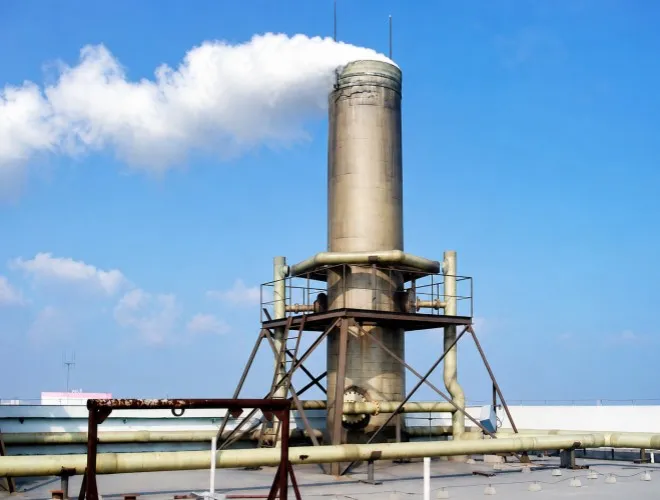
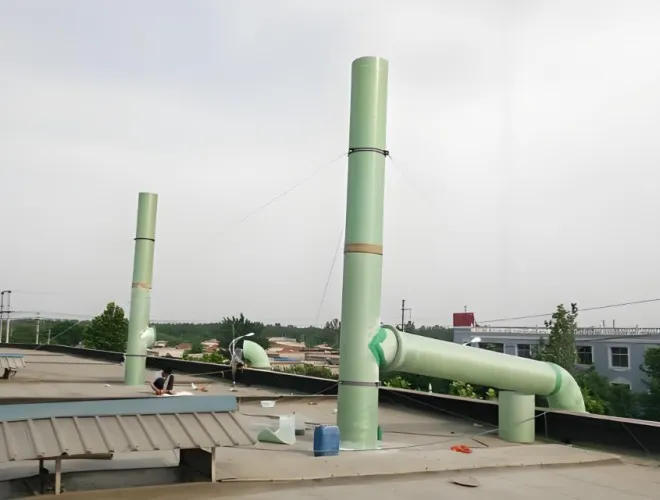
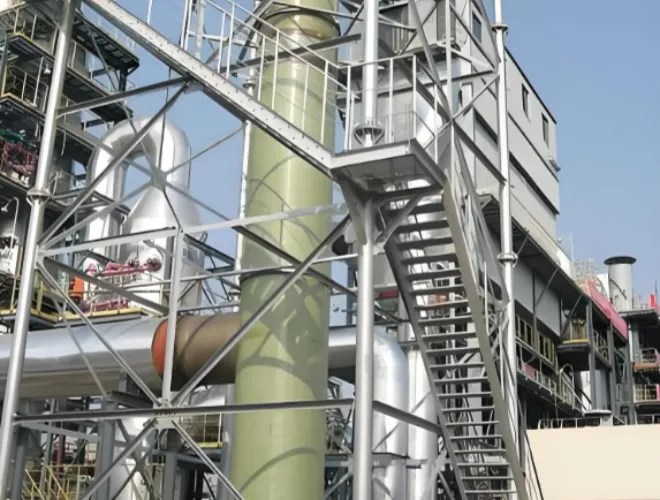
Leaching, reagent preparation and metal-recovery processes may release humid or chemically aggressive gases. FRP hoods, ducts, scrubbers, absorption towers and stacks can collect and treat these emissions without the rust problems common to unprotected steel. Resin selection should consider both the gas and any condensate or scrubbing liquid. Duct design must address negative pressure, support spacing, drainage, vibration and outdoor loads. Scrubber shells require coordination with circulation tanks, piping, internals and access platforms. Using related FRP components throughout the gas-treatment train can reduce material-interface problems and simplify corrosion management.
Wet floors, reagent areas and outdoor platforms create difficult conditions for steel access structures. FRP molded gratings and pultruded profiles can be used for walkways, platforms, stairs, ladders, handrails, trench covers and small support frames when properly engineered. They are relatively light and resist corrosion without routine repainting. Selection should consider span, concentrated load, deflection, surface grip, open area, ultraviolet exposure and fire requirements. In abrasive or heavily trafficked locations, surface wear and impact should also be evaluated. Modular construction allows damaged panels to be replaced without dismantling an entire platform.
Steel provides high stiffness and is familiar to most mining contractors, but it may require coatings, rubber lining or alloy upgrades in corrosive service. These protective systems can be damaged by impact and may be difficult to inspect behind linings. FRP integrates corrosion resistance into the laminate and has lower weight, which can reduce lifting and support loads. It also offers flexible fabrication for large tanks and complex shapes. However, FRP is not automatically the best material for every high-temperature, high-impact or highly abrasive duty. The correct solution may combine FRP with wear liners, metal inserts, replaceable parts or other materials in selected areas.
Yingnai manufactures filament-wound tanks and pipes, tower equipment, ducts, fittings, gratings, pultruded profiles and customized FRP products. This range supports coordinated supply for reagent, process-water, ventilation and access systems. The company can review chemical data, solids information, operating loads, drawings and transport constraints before confirming materials and structure. Its non-metallic material testing center supports evaluation of FRP raw materials and products. For international and remote projects, packaging, sectioning, lifting details and site-joint requirements can be planned in advance to reduce installation risk.
Mining equipment is expected to operate with limited shutdown opportunities, so inspection and maintenance must be practical. Joints, bends, supports, impact zones, slurry-contact surfaces and externally exposed laminates should be checked regularly. Changes in ore chemistry, reagent concentration or throughput may also change the service conditions originally used for design. Early repair of localized wear or damage can extend equipment life. Yingnai approaches mining projects by balancing corrosion resistance, structural strength, wear management, maintainability and cost, providing FRP solutions that fit the actual process rather than relying on a generic product specification.
 English