Selecting an FRP tank for corrosive chemicals starts with understanding the actual operating conditions, not simply choosing a tank by volume or chemical name. A suitable FRP chemical tank should match the stored medium, concentration, temperature, installation environment and operating method.
Compared with carbon steel, FRP tanks do not rely on metal surfaces or external coatings to resist rust. The corrosion-resistant resin matrix protects the tank from compatible chemicals, while glass-fiber reinforcement provides strength and structural stability. This combination makes FRP tanks a practical choice for acids, alkalis, salts, wastewater, brine and many industrial chemicals. However, different chemicals require different resin systems and tank configurations, so correct selection remains essential.
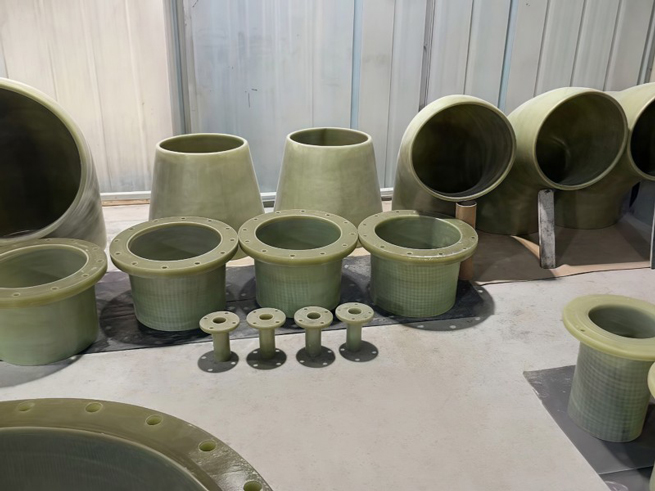
The first step is to identify exactly what the tank will store. General descriptions such as “acid,” “alkali” or “wastewater” are not sufficient for reliable selection.
The following information should be provided:
Chemical name and composition
Normal and maximum concentration
Operating and maximum temperature
Liquid density
Impurities or mixed chemicals
Solids, crystals or suspended particles
Cleaning chemicals used during maintenance
For example, hydrochloric acid at different concentrations and temperatures may require different resin grades. Industrial wastewater may contain several chemicals, even when one substance is listed as the main component.
The gas space above the liquid should also be considered. Chemical vapors and condensate can affect the tank roof, upper wall, vents and nozzles differently from the liquid itself.
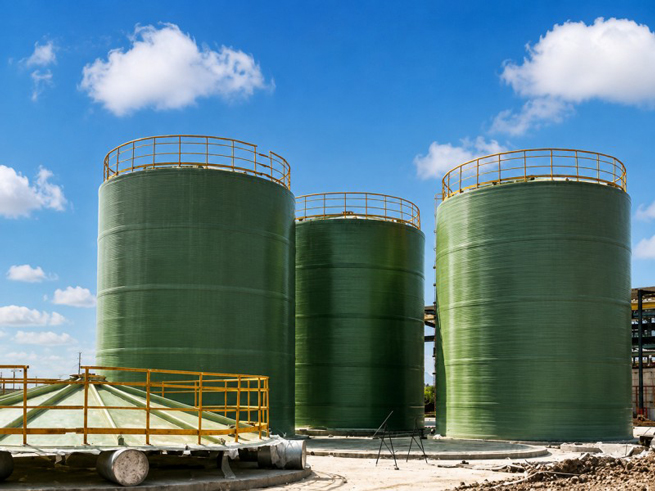
Chemical compatibility cannot be judged by the chemical name alone. Concentration and temperature can significantly change how a medium affects an FRP tank.
A resin suitable for a dilute chemical at room temperature may not be suitable for the same chemical at a higher concentration or elevated temperature. Temporary conditions should also be considered, including chemical delivery temperature, dilution, reaction heat and cleaning temperature.
When requesting a quotation, customers should provide normal operating conditions as well as the highest possible concentration and temperature. This allows the manufacturer to recommend a resin system with an appropriate safety margin instead of relying on incomplete assumptions.
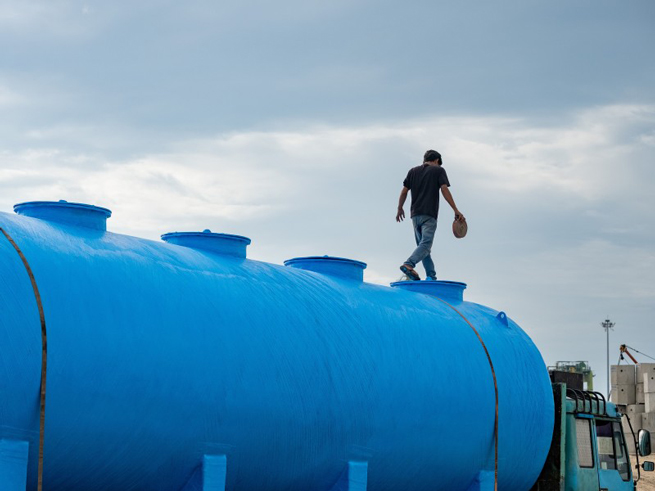
The resin is the main component responsible for the chemical resistance of an FRP tank. Common resin systems include unsaturated polyester, vinyl ester and epoxy resin.
Unsaturated Polyester Resin
Polyester resin is commonly used for water, wastewater and moderate chemical services. It provides a practical balance between performance and cost where operating conditions are not highly demanding.
Vinyl Ester Resin
Vinyl ester resin is widely selected for corrosive chemicals because many grades provide stronger chemical resistance, toughness and temperature performance. It is often used for acids, alkalis, brine, hypochlorite and demanding industrial wastewater.
However, “vinyl ester resin” is still a broad description. Different grades have different chemical-resistance ranges, so the actual resin manufacturer and grade should be confirmed.
Epoxy Resin
Epoxy systems provide good adhesion, low shrinkage and strong mechanical properties. They may be used in selected chemical-storage or high-performance composite applications, although their suitability depends on the specific chemical and curing system.
A responsible supplier should select resin according to chemical-resistance data, relevant operating experience and, where necessary, immersion testing. Choosing the most expensive resin does not automatically produce the most suitable tank.
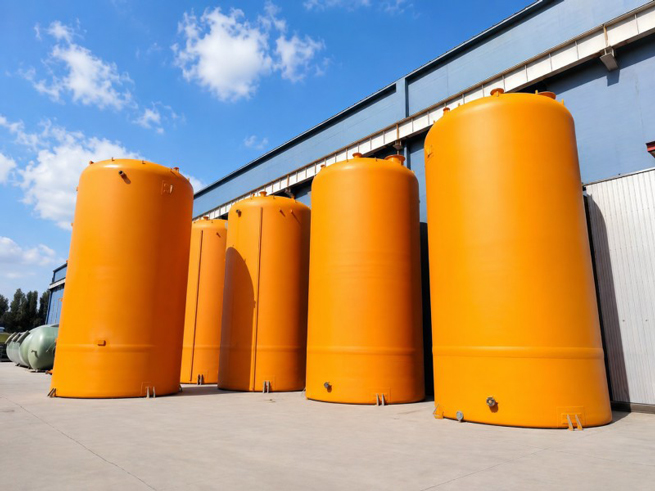
An FRP chemical tank usually includes an inner corrosion barrier and an outer structural layer.
The corrosion barrier directly contacts the chemical and protects the structural reinforcement from penetration and chemical attack. It normally contains a resin-rich inner surface and compatible reinforcement materials.
Customers do not need to calculate the laminate themselves, but they should confirm that the quotation clearly identifies:
The proposed resin grade
The inner-surface material
The corrosion-barrier construction
Whether the roof and nozzles use compatible materials
Whether the selected structure is suitable for the specified chemical
Special chemicals may require additional attention. For example, fluoride-containing media can attack conventional glass reinforcement, so standard FRP construction may not be suitable without specialized inner materials or liners.
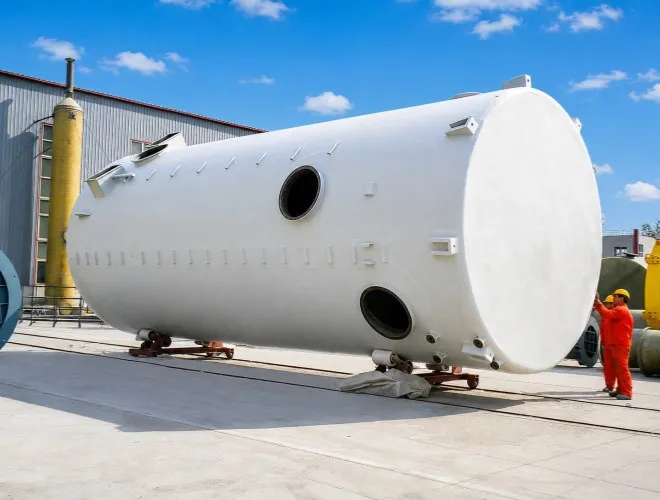
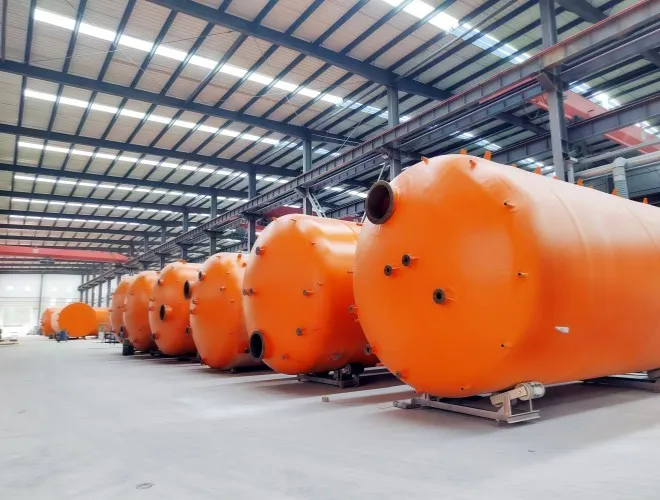
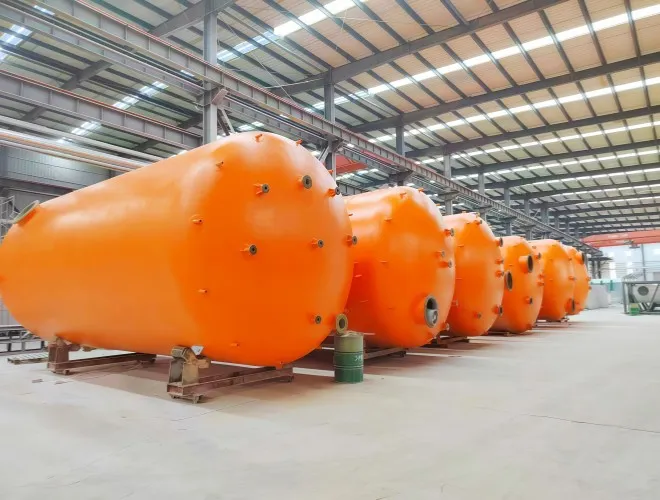
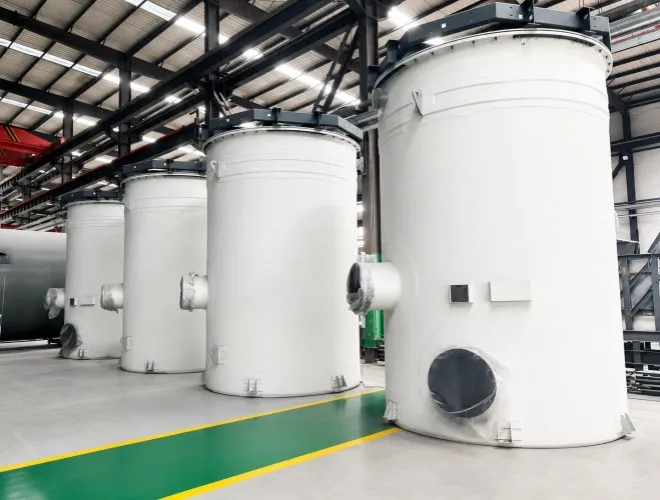
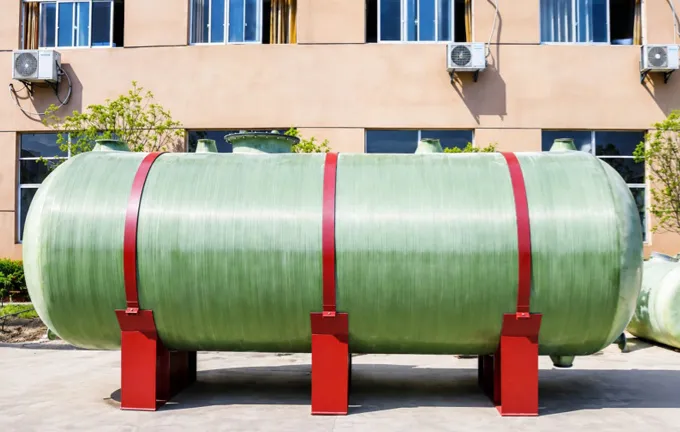
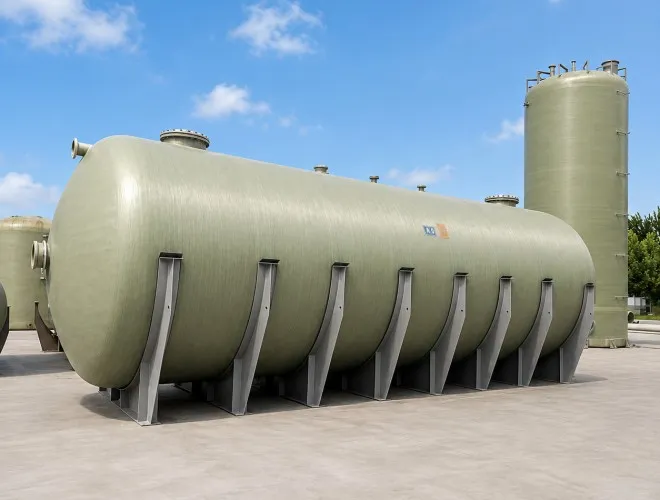
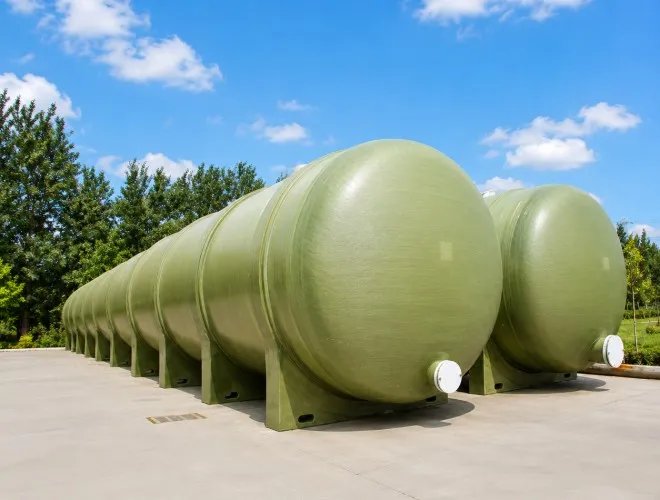
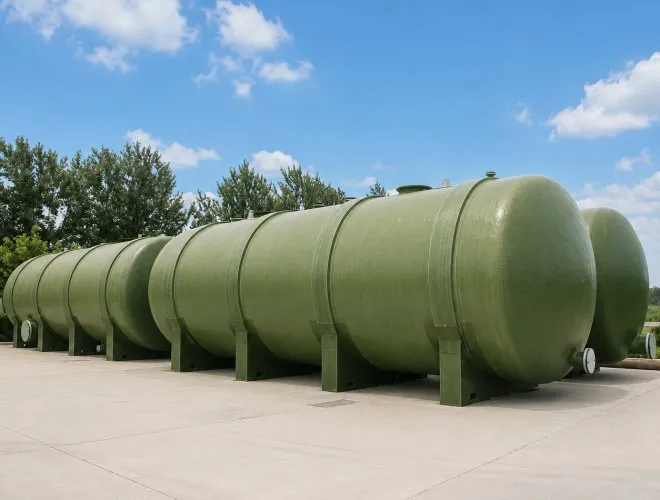
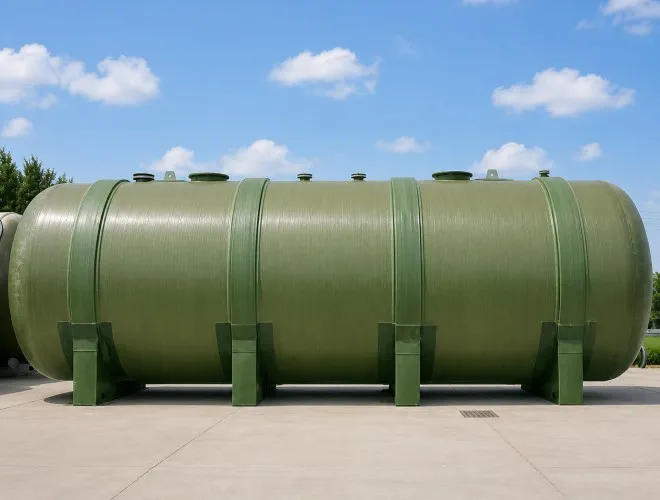
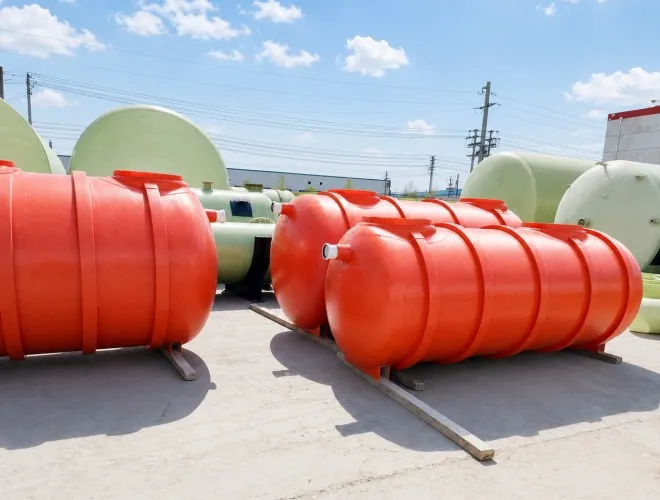
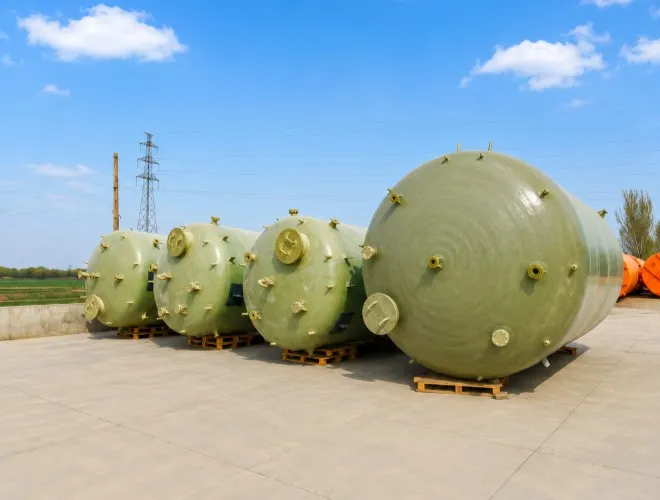
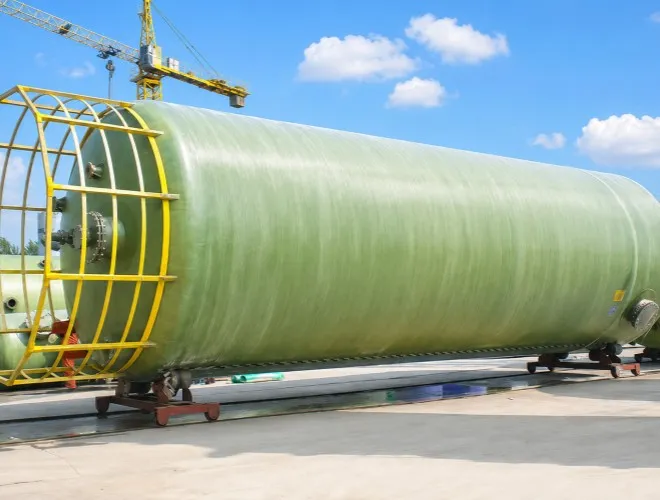
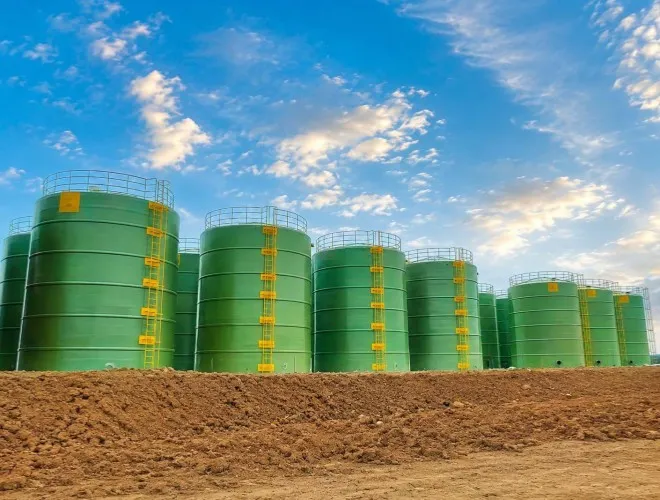
FRP tanks are available in vertical, horizontal, flat-bottom, conical-bottom, above-ground, buried and field-assembled forms. The correct structure depends on the process and installation environment.
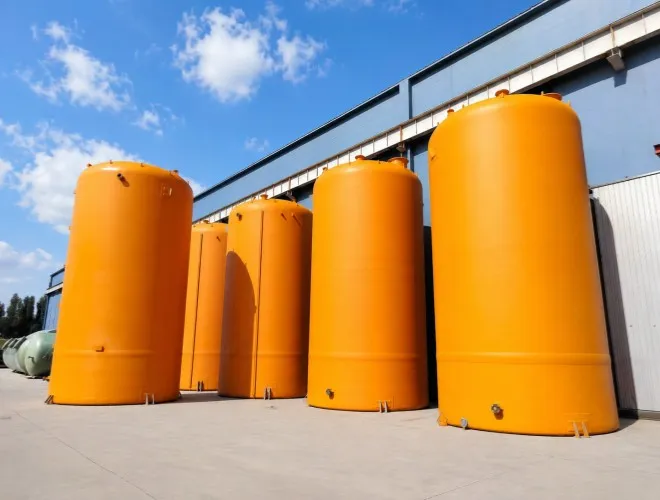
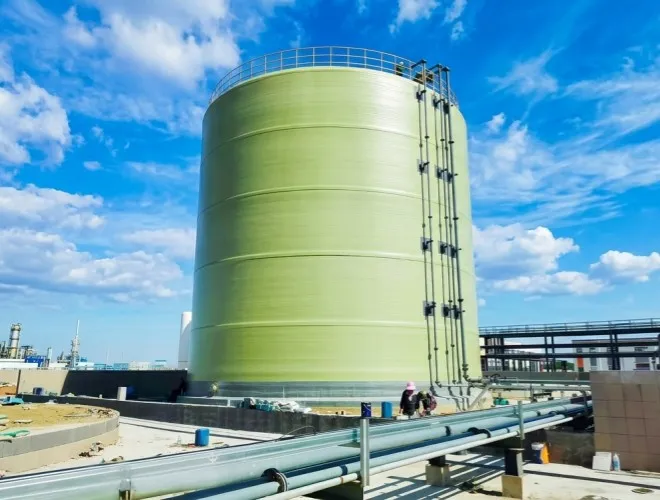
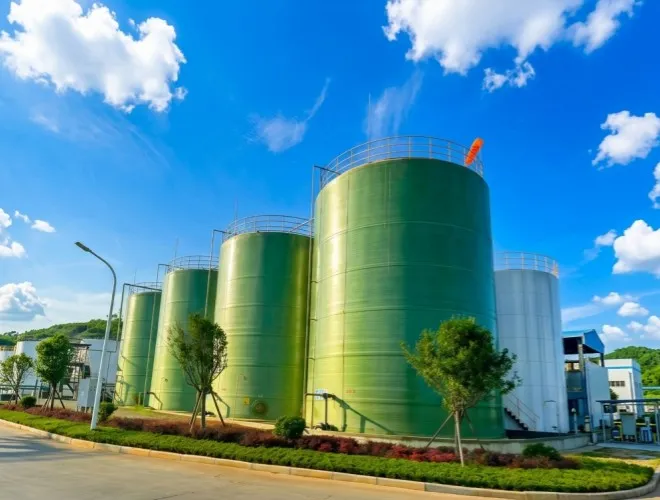
Vertical flat-bottom tanks are commonly used for large atmospheric storage. Horizontal tanks may be suitable where installation height is limited. Conical-bottom tanks are useful where complete drainage or solids discharge is required.
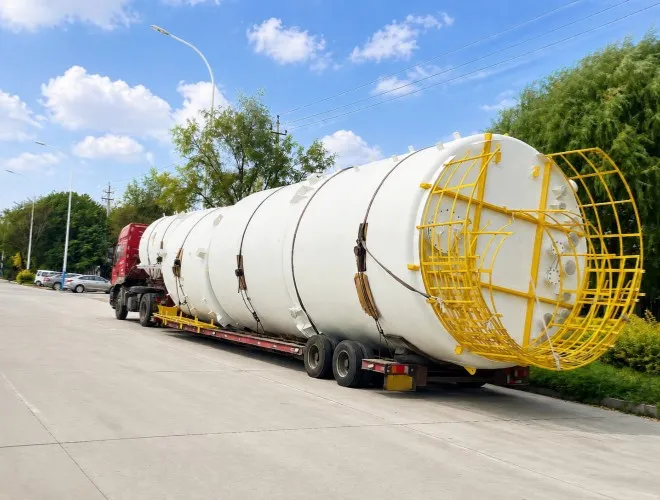
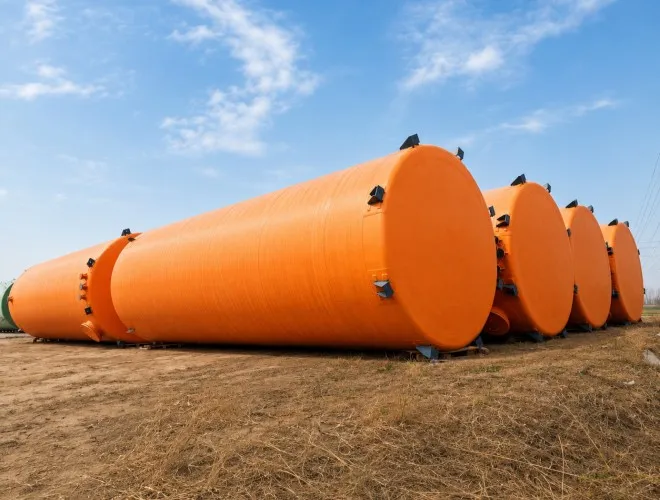
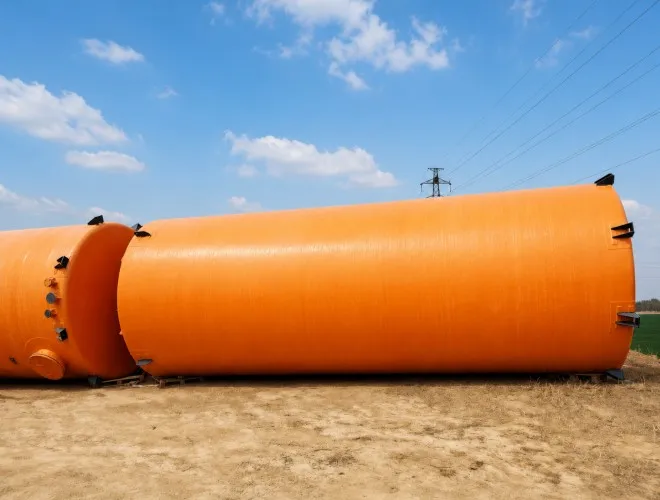
Outdoor tanks should be designed for wind, ultraviolet exposure and ambient-temperature changes. Buried tanks require separate evaluation of soil loads, groundwater and flotation. Large tanks may need sectional transportation or on-site assembly when road access or crane capacity is limited.
A tank designed for above-ground service should not be buried directly, and a standard atmospheric tank should not be assumed to withstand pressure or full vacuum.
Many installation problems occur because tank nozzles and accessories are confirmed too late.
Before production, customers should provide the required:
Inlet and outlet sizes
Nozzle orientation and height
Manway position
Vent and overflow connections
Level-gauge interfaces
Drain connection
Ladder and platform requirements
Mixer or agitator information
Connected pipes, valves and pumps should have independent support. FRP nozzles should not be used to carry heavy piping loads or forced into alignment during installation.
When a mixer is required, its weight, speed and operating loads should be included from the beginning. Adding an agitator after the tank has been manufactured may require major structural modification.
Most chemical-storage FRP tanks operate close to atmospheric pressure, but filling and emptying can still create pressure or vacuum.
Rapid pumping, blocked vents, gas generation or connection to a scrubber can change the pressure inside the tank. Large-diameter tanks are particularly sensitive to vacuum.
Customers should confirm the filling rate, discharge rate, vent size and any connection to fans, scrubbers or nitrogen systems. When pressure or vacuum service is required, it must be clearly stated so that the tank can be designed accordingly.
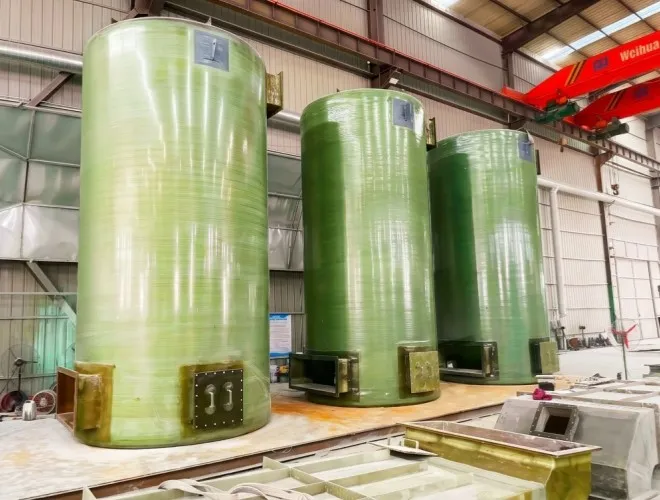
FRP tank quality depends not only on the selected resin but also on manufacturing control. Fiber impregnation, laminate thickness, curing, nozzle reinforcement and secondary bonding can all affect service performance.
Before selecting a supplier, customers should review whether the manufacturer can provide:
Material certificates and resin identification
Product drawings
Manufacturing and inspection records
Dimensional inspection
Cure or hardness verification
Leakage or water testing where applicable
Final inspection reports
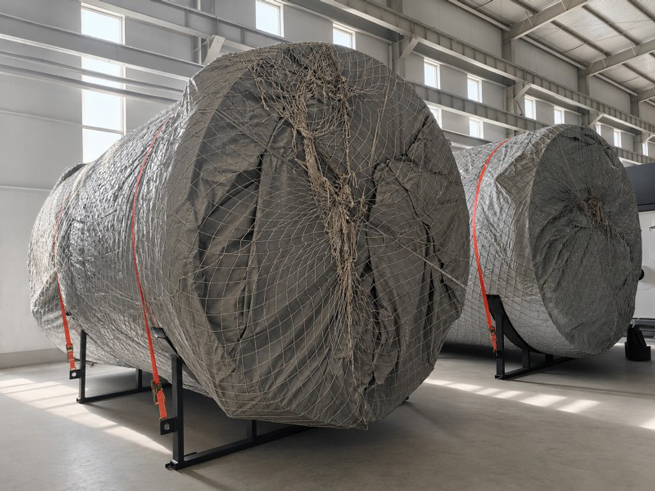
Suitable lifting and packing instructions
A water test can confirm leakage and certain structural conditions, but it cannot prove long-term compatibility with a corrosive chemical. Resin compatibility and manufacturing quality must therefore be evaluated separately.
An FRP tank may have a different initial cost from carbon steel, stainless steel, lined steel, HDPE or PVC tanks. A fair comparison should include installation, corrosion protection, repainting, maintenance, expected downtime and replacement requirements.
Steel tanks provide high stiffness and may be more suitable for certain high-temperature, high-pressure or fire-sensitive applications. Thermoplastic tanks provide excellent resistance to selected chemicals but may face limitations in size, stiffness, temperature or structural loading.
For many corrosive storage applications, FRP offers a useful combination of chemical resistance, lightweight construction, customizable dimensions and reduced coating maintenance. These advantages are particularly clear for large tanks, outdoor chemical storage and projects requiring special nozzles or non-standard structures.
A reliable FRP tank supplier should ask detailed questions before recommending a product. Quotations prepared only from tank volume and dimensions may overlook critical chemical and operating conditions.
Before placing an order, confirm whether the supplier:
Reviews the complete chemical information
Identifies the proposed resin grade
Explains the corrosion barrier and structural construction
Confirms temperature, pressure and installation conditions
Provides drawings before production
Has testing and quality-control capability
Can support customized nozzles and accessories
Provides clear packaging and delivery arrangements
The right supplier does more than manufacture a tank. It helps convert operating information into a product that can be installed and used with lower risk.
Keywords
FRP tank for corrosive chemicals, FRP chemical tank, fiberglass chemical storage tank, corrosion-resistant tank, GRP tank selection,
Description
how to select FRP tanks for corrosive chemicals by evaluating the medium, concentration, temperature, resin, tank structure, accessories, quality and supplier capability.
 English