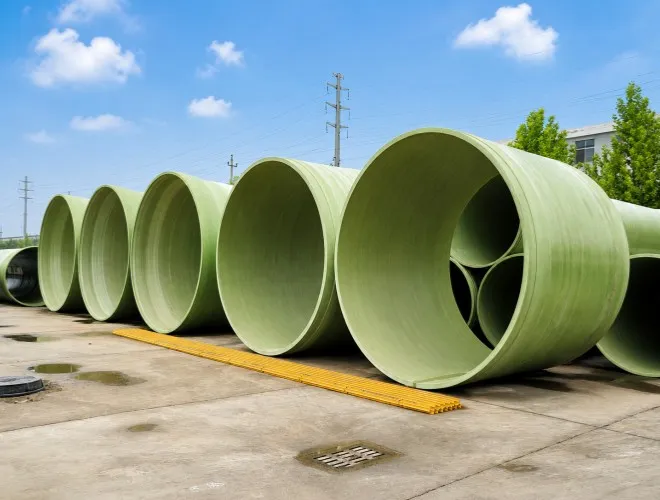
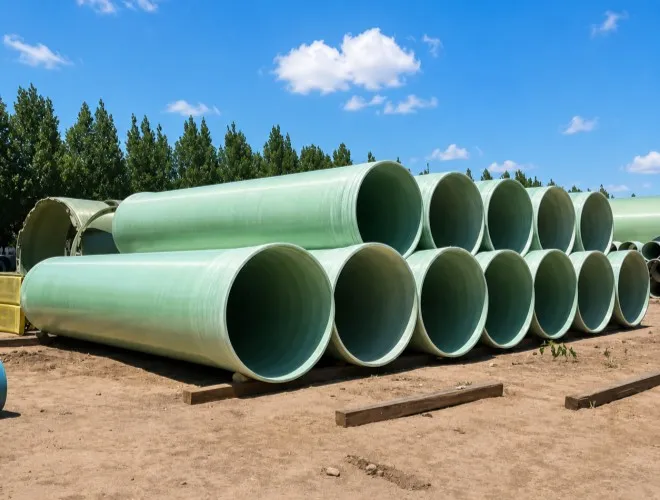
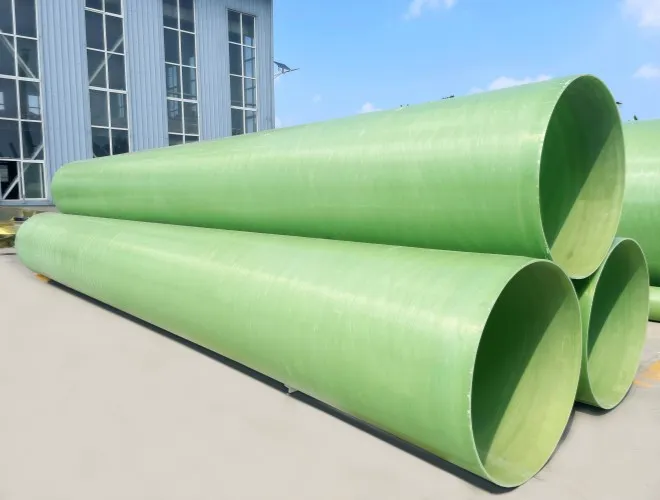
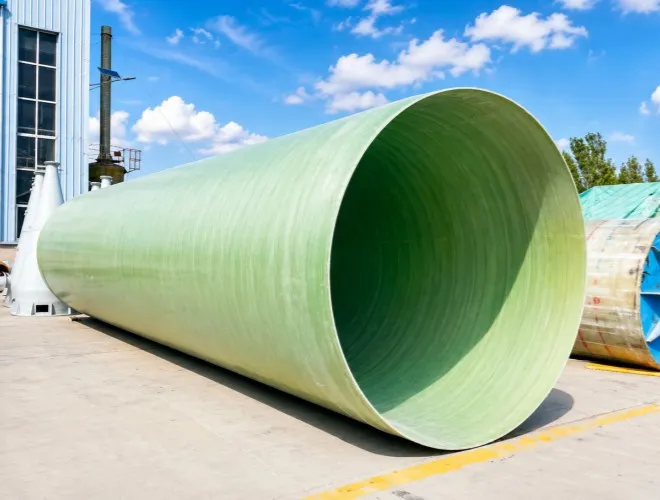
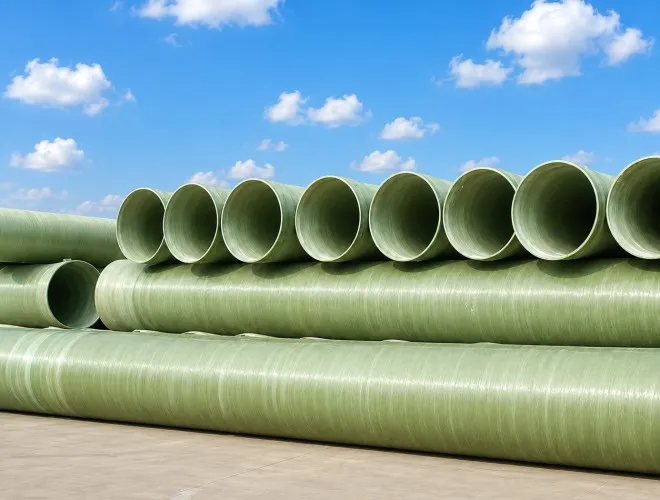
FRP pipes are composite material pipes made of polymer resin as a continuous matrix and fibers as a reinforcing material. In the industrial pipeline field, FRP pipes usually use glass fiber reinforcement, hence they are also often referred to as GRP pipes, fiberglass pipes, or glass-reinforced plastic pipes.
FRP pipes are not a standard product with a fixed formula but a type of pipe that can be adapted to different working conditions through resin systems, fiber layers, wall thickness, stiffness, lining, and interface design. To determine its suitability, one should not only consider "corrosion resistance" but also verify the transported medium, concentration, temperature, pressure, installation load, and applicable standards.
FRP is a general term for fiber-reinforced polymers or fiber-reinforced plastics, while GRP specifically refers to polymer composites reinforced with glass fibers.
NIST's description of polymer composites indicates that the reinforcing fibers in FRP can be glass fibers, carbon fibers, aramid fibers, or other fibers. Therefore, in strict classification, GRP is a type of FRP; however, in the industrial pipeline market, due to the widespread application of glass fibers, FRP pipe and GRP pipe are often used to refer to similar glass fiber-reinforced thermosetting resin pipes.
Fiberglass pipe is a more colloquial name, while glass-reinforced plastic pipe is the full expression of GRP pipe. When purchasing, one cannot judge the material properties solely by the name; it is still necessary to confirm the reinforcing fibers, resin type, lining structure, pressure rating, stiffness rating, interface form, and execution standards.
FRP pipes are usually composed of a resin matrix, a glass fiber reinforcement layer, an inner corrosion-resistant layer, and an outer protective layer. Pipes for different purposes may include transition layers or mortar structure layers.
The resin matrix is responsible for encapsulating the fibers, transferring loads, and directly affecting the pipe's adaptability to chemical media and temperature. Common systems include unsaturated polyester resin, vinyl ester resin, and epoxy resin, but the resin name itself cannot replace the verification of chemical resistance. The same acid, alkali, or solvent may require different material solutions at different concentrations and temperatures.
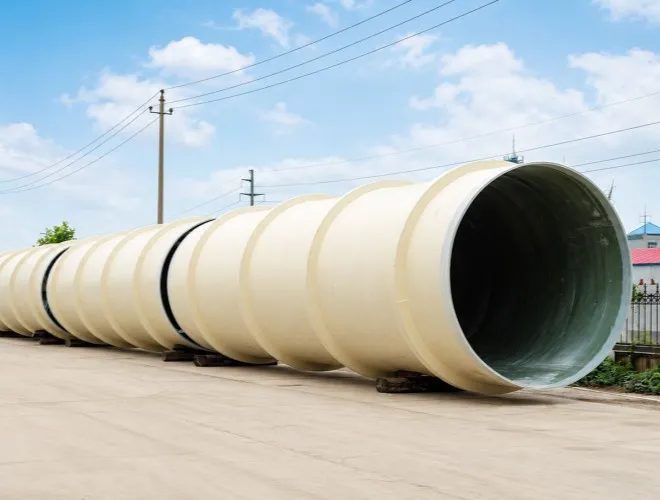
The inner corrosion-resistant layer usually adopts a resin-rich structure and can be combined with surface mats or chopped fibers. Its main function is to isolate the medium and reduce penetration risk. The structural layer, through continuous or chopped glass fibers, bears internal pressure, axial loads, and external loads. Some water supply or buried pipelines will have a sand-containing structural layer to improve ring stiffness and economy, but not all FRP pipes contain a mortar layer.
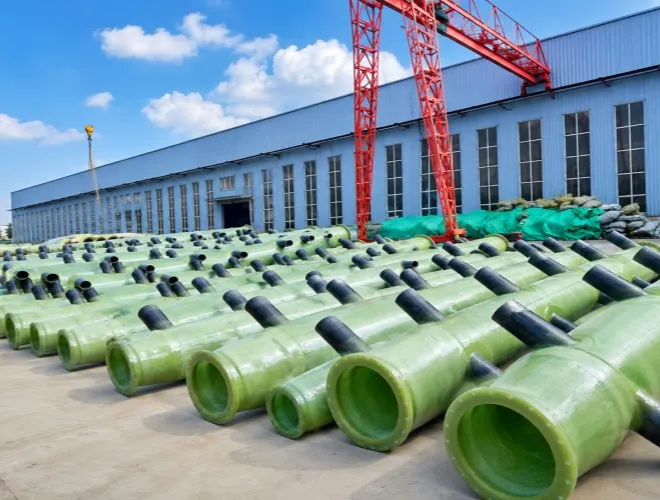
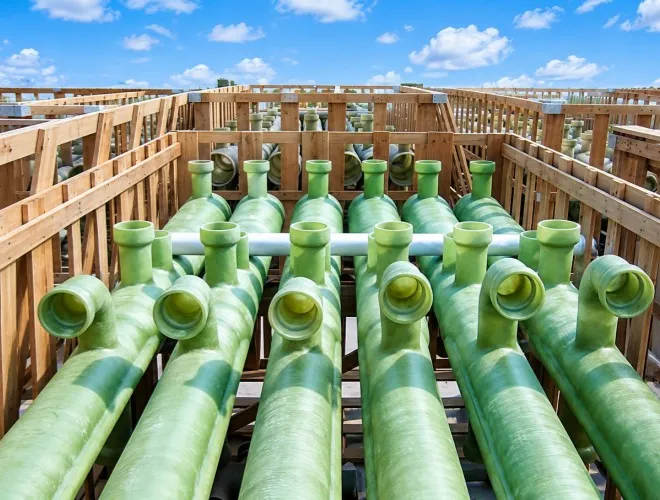
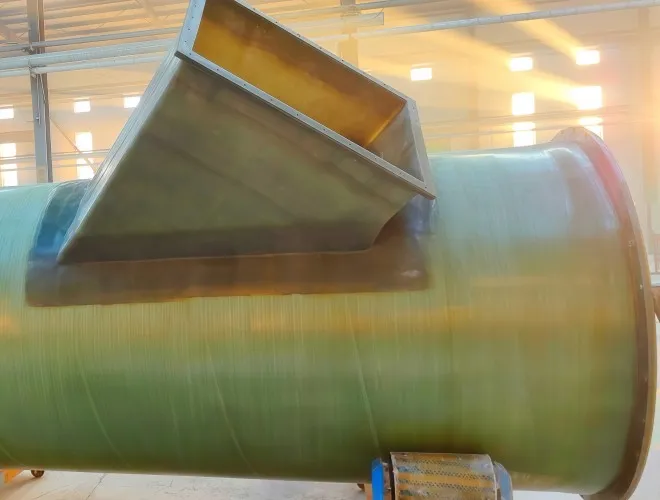
Filament winding is one of the common manufacturing methods. Continuous glass fibers, after being impregnated with resin, are wound on a mandrel at a designed angle, then cured, demolded, and trimmed to form the pipe wall. The winding angle, fiber content, curing quality, and interlayer bonding will affect the final performance; elbows, tees, and special-shaped parts may also use hand lay-up, molding, or combined processes. The performance of FRP materials will vary with the resin matrix, reinforcing fibers, and the interface state between fibers and matrix, so one cannot infer all performance based solely on the name "glass fiber reinforced pipe."
The main value of FRP pipes lies in corrosion-resistant design, lower self-weight, and adjustable composite structure, but these advantages depend on correct material selection, structural design, manufacturing quality, and installation conditions.
| Comparison Dimension | Common Advantages | Limitations to Note |
|---|---|---|
| Corrosive Environment | Does not rust like carbon steel and can be adapted to various media through resin and lining | "Corrosion resistance" does not mean suitable for all chemicals; must verify medium, concentration, temperature, impurities, and cleaning agents |
| Transportation and Installation | Usually lighter than metal or concrete pipes of the same size, facilitating lifting and on-site handling | Large-diameter pipes still require special lifting points, support, and backfill design; collision, scratches, and point loads can cause damage |
| Hydraulic Transportation | The inner surface can be made smoother, which helps reduce the impact of rough surfaces on flow | Joint misalignment, deposits, and long-term conditions will still affect pressure loss; cannot estimate flow rate solely based on material name |
| Pressure Bearing | Fiber layers can be designed around internal pressure and axial loads | The rated pressure will be affected by temperature, pipe diameter, interface, cyclic loads, vacuum, and water hammer |
| Maintenance Requirements | Does not rely on anti-rust coatings or cathodic protection to prevent steel corrosion | UV, fire, impact, support wear, and on-site bonding quality still need to be included in inspections |
| Non-standard Adaptation | Pipe diameter, lining, stiffness, interface, and fittings can be adjusted according to project conditions | Non-standard design requires complete working conditions, structural calculations, process control, and inspection documents; cannot directly apply similar projects |
FRP pipes also have obvious boundaries. The resin matrix is usually the key part in temperature limitation and long-term performance evaluation; when the temperature rises, the allowable pressure may need to be reduced. The pipe wall may be damaged under local impact, sharp edges of supports, excessive clamping, or uneven backfill. Research by the U.S. Bureau of Reclamation on composite material pipes also shows that while glass fiber pipes have chemical resistance and lower installation weight, manufacturing quality, on-site inspection, and installation control directly affect long-term reliability.
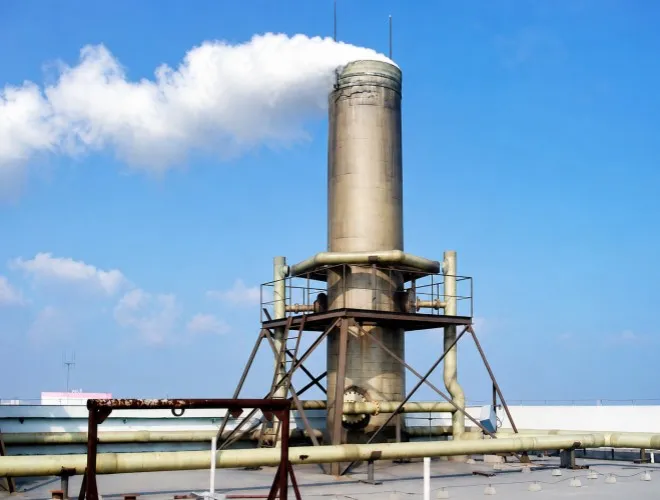
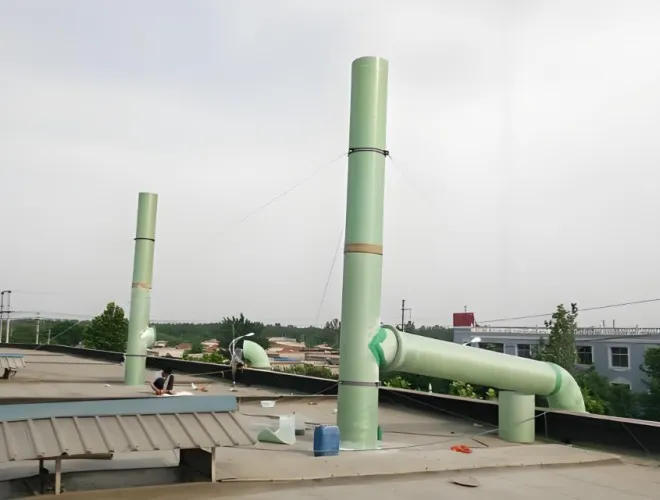
For overhead pipelines, support spacing, thermal displacement, flange loads, and vibration need to be calculated; for buried pipelines, soil conditions, groundwater levels, traffic loads, trench width, bedding, and backfill compaction need to be verified.
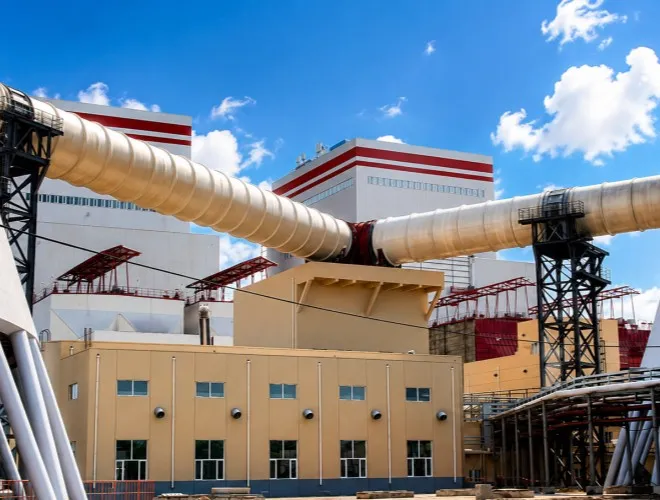
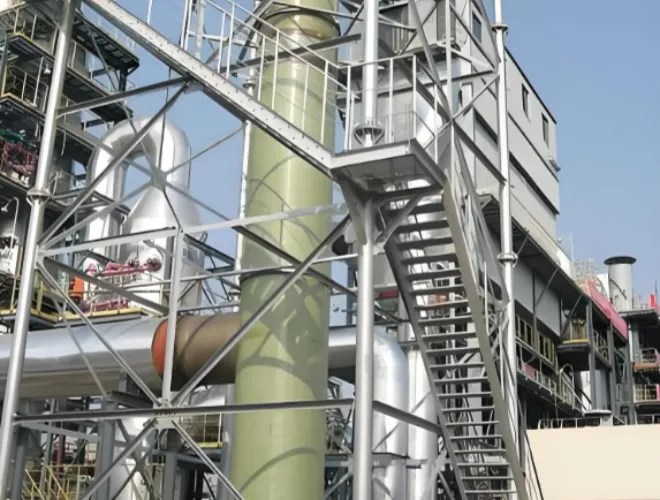
FRP pipes are commonly used in industrial transportation, water supply, and seawater engineering where there are corrosive media or a need to reduce system weight, but the materials and design basis for different applications vary.
In chemical processes, FRP pipes can be used to transport acid, alkali, salt solutions, and some process liquids, provided that the resin and lining have undergone medium compatibility evaluation. In industrial water supply, circulation water, raw water, and reclaimed water systems, projects usually focus more on pressure rating, hydraulic performance, interface reliability, and long-term buried conditions.
In sewage treatment and municipal sewage, external soil loads, groundwater buoyancy, manhole connections, and construction backfill quality must also be considered. For GRP pipes with unsaturated polyester resin as the matrix, ISO 10467 covers pressurized and non-pressurized drainage, sewage, and mainly buried applications, while requiring consideration of environmental and support conditions for non-buried use.
Seawater, brine, and seawater desalination systems are another common scenario. The saline environment reduces the appeal of using ordinary carbon steel, but FRP solutions still need to verify temperature, pressure, vacuum, pump start-stop transients, and connector materials. ISO 14692-1:2017 includes resin matrix, interface type, application classification, pressure rating method, and material limitations in the GRP pipe specification framework and lists applications such as produced water, fire water, general industrial systems, and seawater lifting, indicating that FRP pipe selection must be based on complete system conditions.
Yingnai provides FRP process pipes, FRP sand-filled pipes, and supporting fittings. For chemical transportation, industrial water, or sewage projects, the specific structure to use should still be confirmed based on medium data, design pressure, pipe diameter, laying method, and interface requirements.
When a project simultaneously requires corrosion control, weight, installation efficiency, or large-diameter transportation, FRP pipes can be included in material selection, but specifications should not be determined without working condition data.
A preliminary assessment should at least prepare the following information:
The complete name, concentration, solid particles, impurities, and possible cleaning chemicals of the medium;
Normal, minimum, and maximum operating temperatures, as well as short-term peak temperatures;
Working pressure, design pressure, vacuum conditions, water hammer, and pump start-stop frequency;
Nominal pipe diameter, flow rate, allowable flow speed, pressure loss requirements, and expected service cycle;
Overhead, pipe gallery, trench, or buried laying methods, as well as supports, soil, groundwater, and traffic loads;
Flange, socket, bonding, or other interface requirements, and external loads generated by valve, pump, and equipment interfaces;
The standards, inspection projects, and document levels required by the project's location, industry, and owner.
The size or pressure range in standards can only be used to define the boundaries of standard applicability and cannot directly represent the supply capability of a particular manufacturer. For example, the AWWA's revised C950 scope covers glass fiber pipes with nominal diameters of 25-4000 mm and lists pressure ratings of 345-3103 kPa, applicable to normal temperature drinking water, raw water, and reclaimed water systems; these numbers cannot be directly applied to high-temperature chemical, strong corrosion, or vacuum conditions.
Q: Are FRP pipes and GRP pipes the same type of pipe?
A: In most glass fiber pipe projects, they are often used as synonyms; strictly speaking, the scope of FRP is broader, while GRP explicitly indicates that the reinforcing material is glass fiber.
Q: Are FRP pipes necessarily resistant to acids and alkalis?
A: Not necessarily. Chemical resistance depends on the resin, lining, type of medium, concentration, temperature, impurities, and exposure time, and should be judged based on compatibility data and project conditions.
Q: What resins are commonly used in FRP pipes?
A: Common resins include unsaturated polyester, vinyl ester, and epoxy resins. The performance differences between different resin grades are significant, and the applicable medium cannot be determined solely by the resin category.
Q: Can FRP pipes be used in high-temperature or high-pressure systems?
A: Some designs can, but the pressure rating, long-term performance, interface type, and applicable standards under the corresponding temperature must be verified. Temperature increase usually affects the resin matrix and allowable pressure.
Q: What parameters need to be provided when inquiring about FRP pipes?
A: At least the medium and concentration, operating and design temperature, working and design pressure, pipe diameter, flow rate, laying method, interface type, length quantity, and applicable standards should be provided.
The essence of FRP pipes is to use the resin matrix to provide environmental adaptability and the glass fiber reinforcement layer to bear structural loads. They have application value in chemical, industrial water supply, sewage treatment, municipal sewage, and seawater engineering, but they are not a universal material that can replace metal pipes without design. Reliable selection should start with medium compatibility, then gradually verify temperature, pressure, pipe diameter, loads, interface, installation method, and inspection requirements.
If you are evaluating FRP pipes for chemical transportation, industrial water, sewage treatment, or seawater systems, you can provide Yingnai with medium name and concentration, operating and design temperature, working and design pressure, pipe diameter, and flow rate, above-ground or buried laying method, and interface drawings for consultation on pipe structure, resin system, and supporting fittings.
 English