This project involved a mineral-processing thickening system developed for a large mining customer in Argentina. The thickener performs solid-liquid separation of mineral slurry. Under gravity, mineral particles settle toward the bottom of the equipment, while clarified liquid overflows from the upper section of the tank and enters the subsequent recycling or treatment system. Stable thickener operation helps improve process-water recovery and creates suitable conditions for downstream dewatering, conveying and tailings handling.
The upper section of the thickener tank and its associated components are continuously exposed to moisture, splashing, slurry residues and process media. Some areas also remain in contact with overflow water, residual reagents or process liquids with a certain degree of corrosiveness. The customer therefore required FRP products offering corrosion resistance, relatively low weight and flexible customization, with the aim of reducing metal corrosion and the maintenance associated with conventional protective coatings.
A Tank Lip can generally be understood as the annular upper rim of a thickener tank or an edge component connected to the overflow collection area. Its exact structure may vary according to the equipment manufacturer and project drawings. For this project, the product was manufactured strictly according to the interface dimensions and installation drawings confirmed by the customer.
During the thickening process, clarified liquid rises to the upper section of the tank and flows through the overflow area into the surrounding collection system. The upper rim of the tank and its connection areas must maintain good dimensional consistency, structural continuity and corrosion resistance so that they can fit properly with the thickener body, overflow launder and other adjacent components.
Yingnai’s FRP Tank Lip mainly performs the following functions in this project:
Connecting and matching with the upper structure of the thickener tank
Forming a continuous and stable tank-rim section
Withstanding long-term exposure to overflow liquid, moisture and slurry splashing
Providing installation interfaces for adjacent overflow-collection or auxiliary structures
Reducing the maintenance requirements associated with conventional metal components in corrosive environments
The Tank Lip is not an independent standard product. It forms part of the overall thickener structure. Its diameter, curvature, segmentation, interface positions and connection dimensions must correspond accurately with the tank and adjacent components at the project site.
Excessive dimensional deviation could prevent smooth field assembly or create localized stress if the product were forced into position. The customer therefore required drawing review before manufacturing, together with confirmation of all critical dimensions and connection relationships.
The product would be exposed for extended periods to moisture, splashing liquid, slurry residues and process water. The customer required the material to remain stable under these conditions while reducing the need for repeated rust removal, repainting or component replacement.
Material selection could not be based only on the general description of a “mineral-processing application.” It needed to consider the actual medium composition, operating temperature, contact conditions and cleaning requirements provided by the customer.
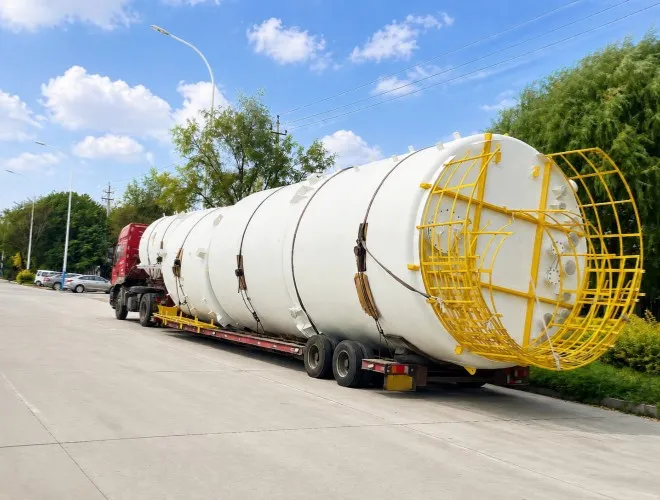
The Tank Lip has a relatively large overall diameter, while the project site is located far from the manufacturing facility and requires international transportation and field assembly. The product therefore needed to satisfy structural and operational requirements while also taking packaging dimensions, lifting conditions and transportation stability into account.
To reduce the difficulty of long-distance transportation and on-site construction, the project adopted a segmented structure suitable for shipment. Segment positions, connection methods and field-assembly sequence were coordinated during the design stage.
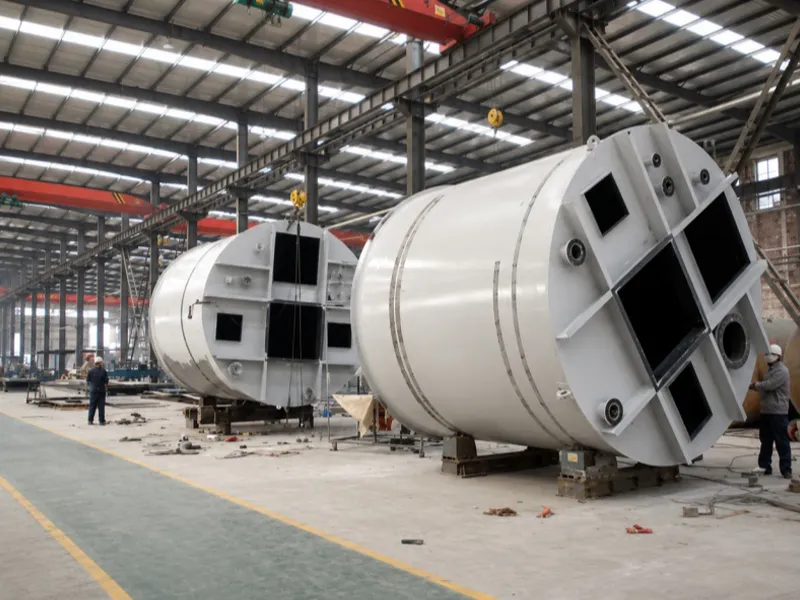
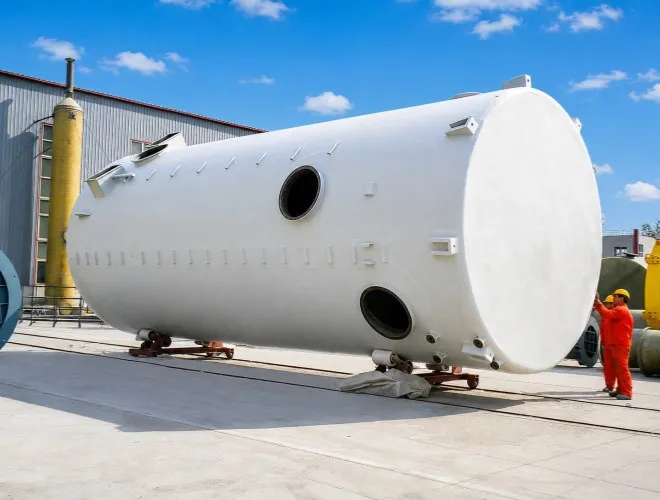
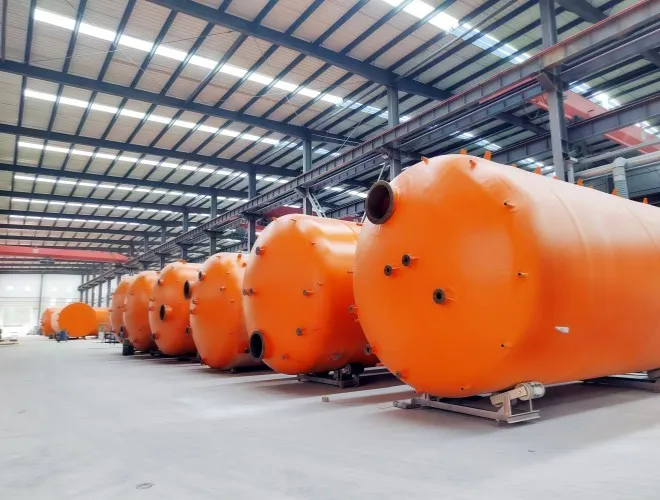
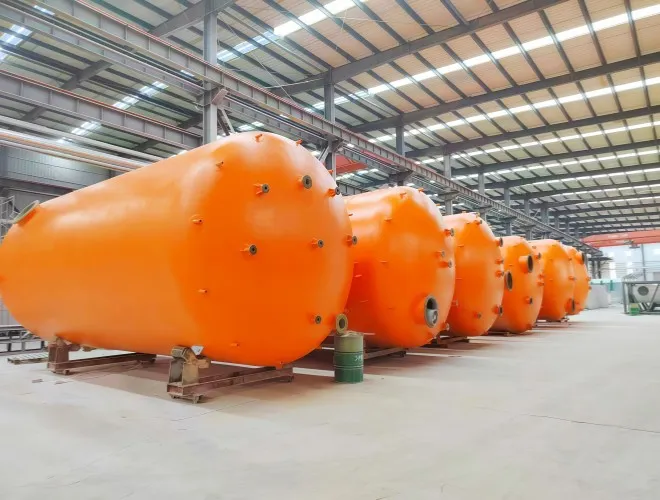
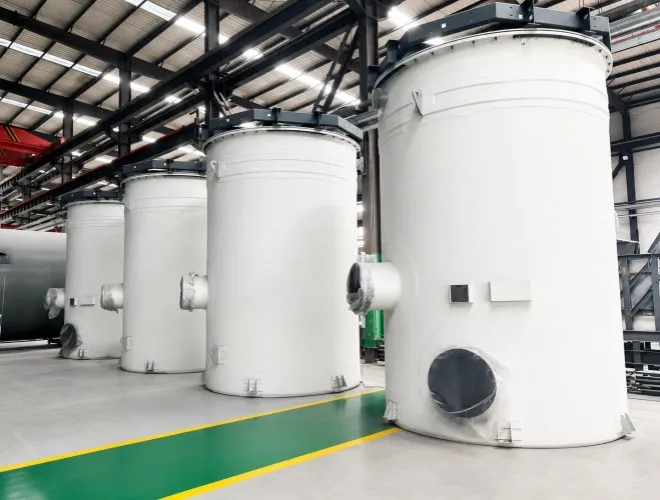
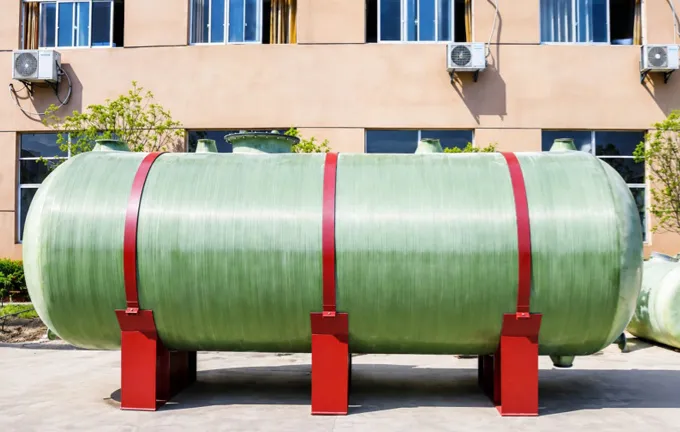
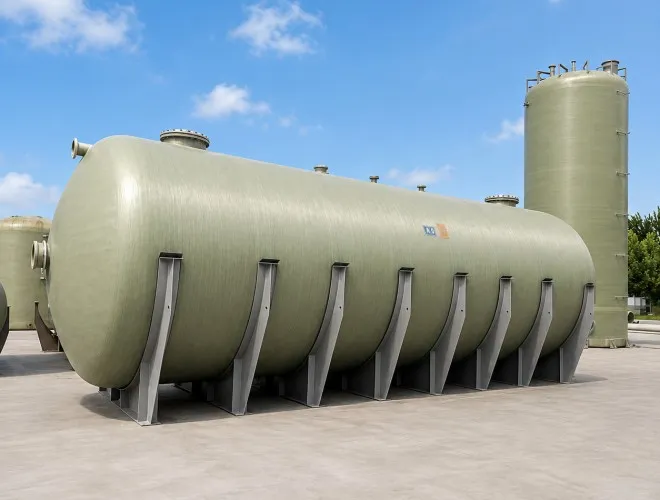
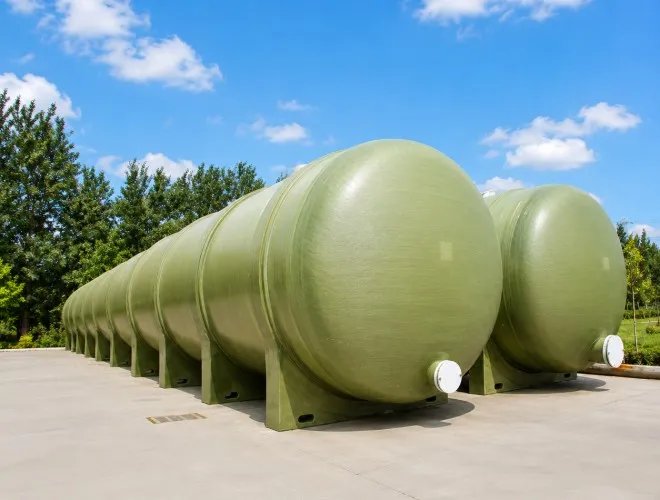
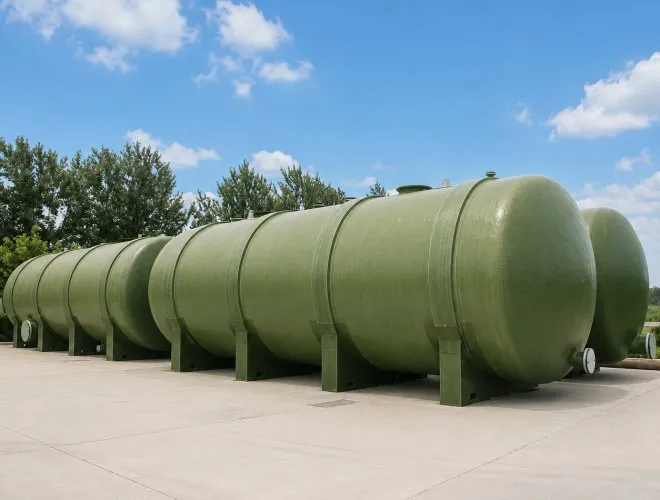
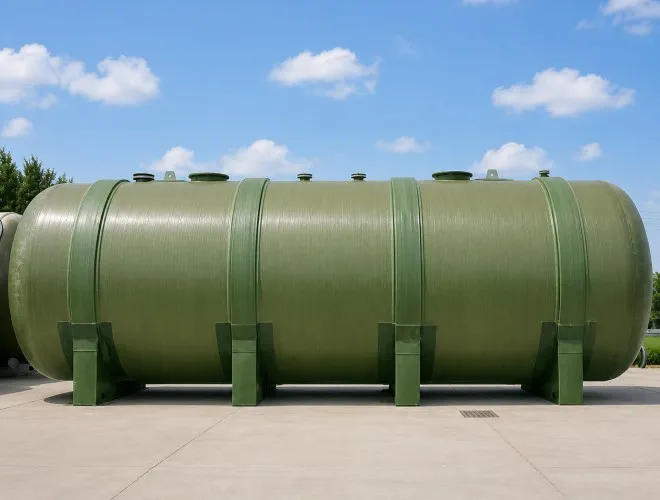
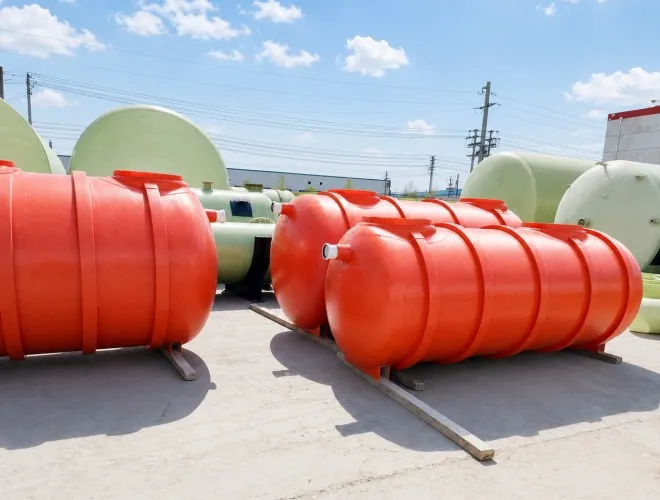
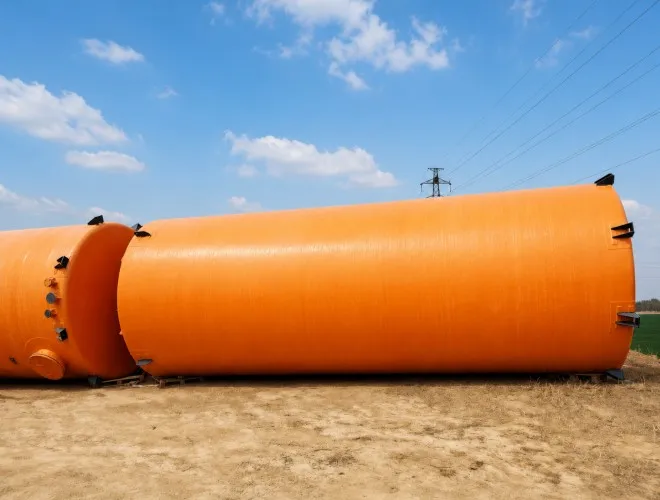
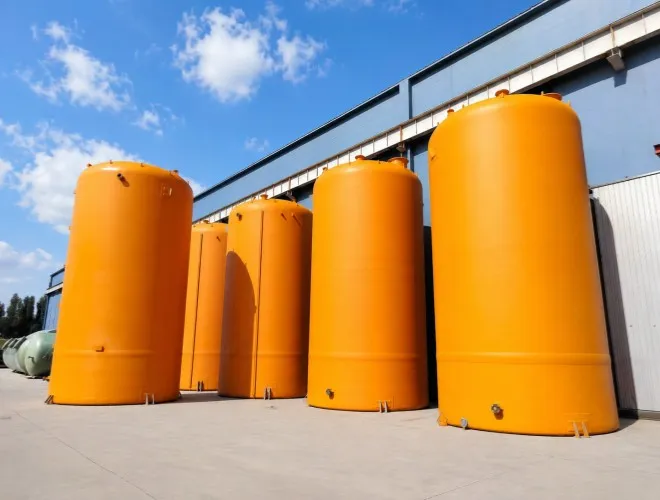
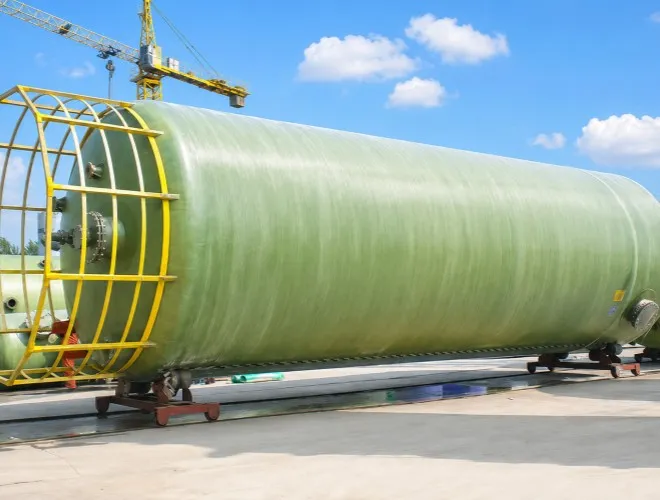
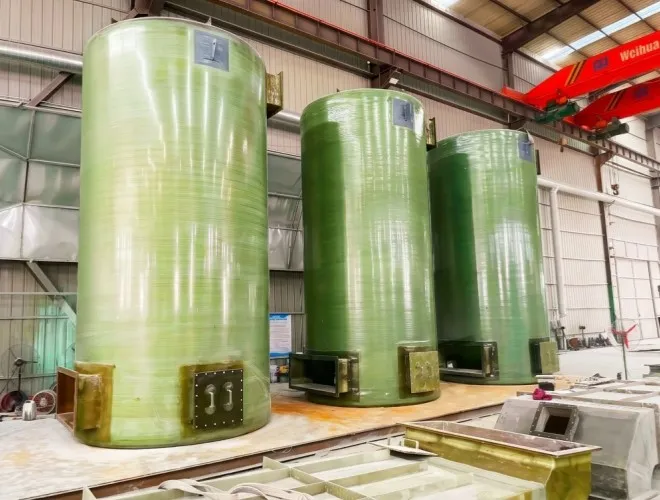
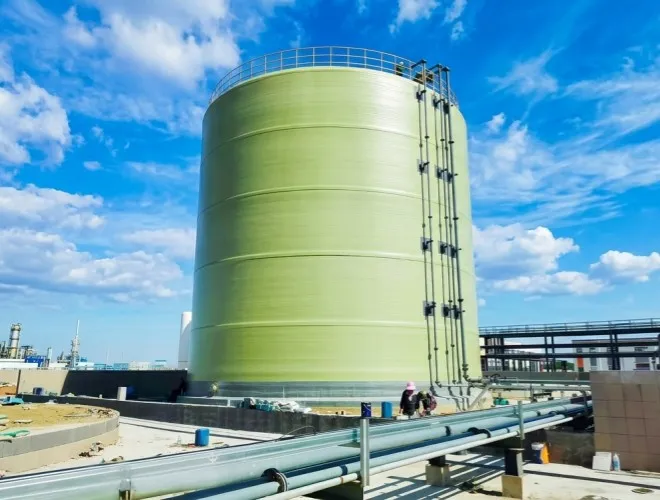
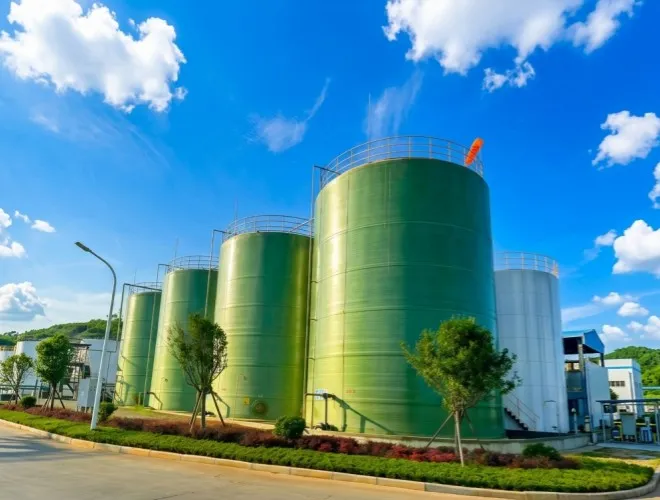
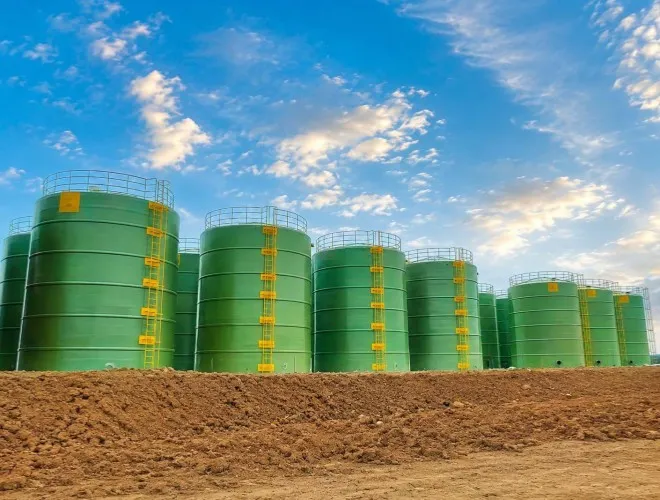
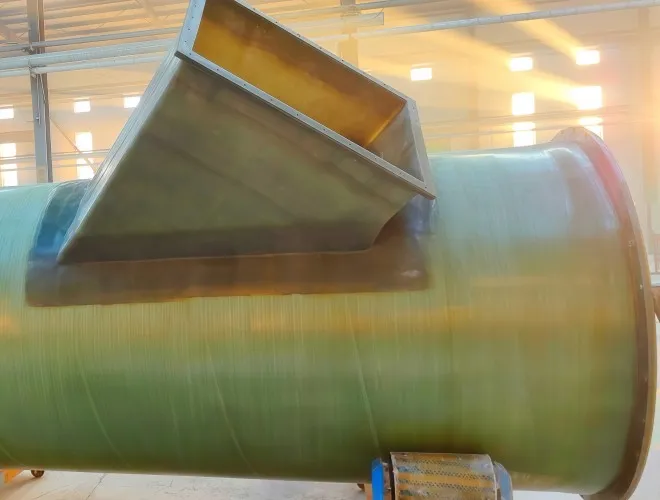
In addition to the Tank Lip, the customer also required an FRP tank for liquid storage and circulation within the mineral-processing system.
The FRP tank needed to be customized according to the process medium, required capacity, nozzle orientation and site arrangement, while remaining compatible with the project piping and equipment interfaces.
After the project began, the technical team first organized and reviewed the drawings and technical documents provided by the customer. Particular attention was given to the product profile, installation diameter, segmentation method, connection positions, support conditions and field-assembly requirements.
Dimensions and interfaces requiring further clarification were reviewed individually through technical communication, preventing unconfirmed information from being transferred directly into production.
The material systems for the FRP tank and Tank Lip were also reviewed according to the media and operating conditions supplied by the customer. The selected solution balanced corrosion resistance, structural performance and manufacturing feasibility. Local reinforcement was arranged around connections, openings and geometric transition areas.
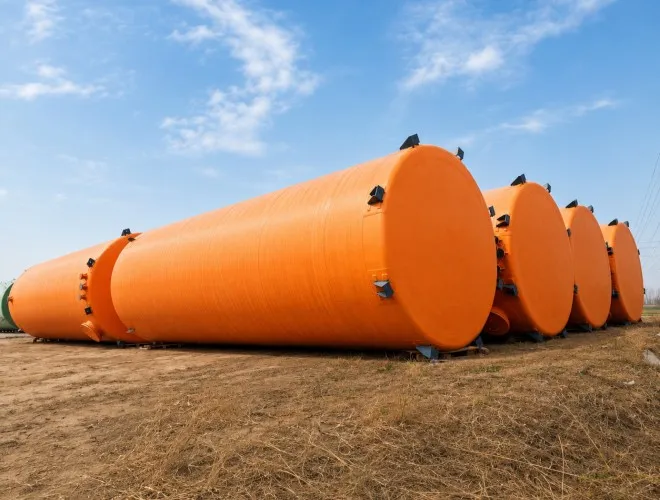
The Tank Lip was designed as a segmented annular structure to accommodate international transportation and field assembly. Each segment was manufactured according to a common dimensional reference system so that the completed sections could form a continuous ring after assembly at the project site.
The design focused on:
Segment dimensions and field-assembly sequence
Connection methods between adjacent sections
Flatness of the upper edge and overall roundness
Local reinforcement in interface areas
Lifting, handling and temporary support requirements
Securing and protection during long-distance transportation
Targeted reinforcement was applied at connection points and structural transitions where stress concentration could occur. This allowed the product to maintain the necessary overall stability while meeting the installation requirements.
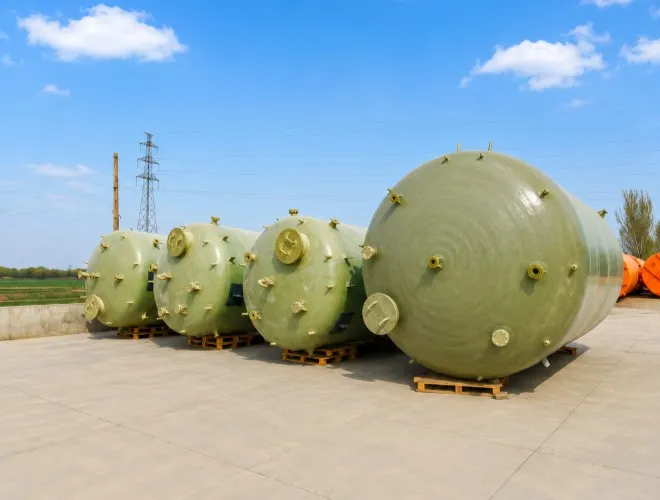
The FRP tank was customized according to the customer’s process layout. Its dimensions, tank configuration, nozzle orientation and accessories were manufactured in accordance with the approved drawings.
The internal corrosion-resistant structure was selected to match the process medium. The external structural laminate was configured according to liquid load, equipment dimensions and installation conditions. Appropriate local reinforcement was added around nozzles, manways, drains and other connection areas to reduce the effect of external piping loads and installation activities on the tank structure.
After manufacturing, the tank was inspected for overall appearance, dimensions, nozzle positions and connection surfaces to ensure proper integration with the equipment and piping system at the project site.
The products supplied for this project were large, included multiple interfaces and required segmented transportation. Dimensional control and identification management were therefore particularly important throughout production.
During manufacturing, the technical, production and quality teams worked according to the approved drawings. The main control points included:
1. Verification of raw materials and resin systems
2. Quality of the internal corrosion-resistant laminate
3. Thickness and continuity of the structural reinforcement
4. Segment dimensions, curvature and interface positions
5. Nozzle and flange orientation
6. Product curing and surface condition
7. Segment numbering and field-assembly identification
After manufacturing, each Tank Lip segment underwent dimensional verification to confirm that the corresponding sections could be assembled in the specified sequence.
Clear numbering and identification also helped the customer recognize each component quickly at the project site, reducing repeated measurement and the risk of incorrect assembly.
After production was completed, the quality team carried out final inspection in accordance with the project requirements. The inspection covered product appearance, main dimensions, interface positions, segment numbering, flange condition and nozzle condition.
For the FRP tank, particular attention was given to the tank surface, bottom, roof and nozzle-transition areas. For the Tank Lip, the inspection focused on segment curvature, connection end faces, structural continuity and assembly identification.
After passing inspection, the products entered the packaging stage. Considering the large dimensions of the FRP products and the need to protect localized interfaces, special protection was applied to flanges, nozzles, connection ends and vulnerable edges.
Necessary transport supports were also provided to prevent impact, abrasion or localized loading during long-distance shipment.
Because the Tank Lip needed to be assembled at the project site, the delivery documents included product identification, assembly sequence and relevant technical information.
According to the project arrangement, Yingnai could support installation through on-site service or remote technical guidance. The scope of technical support included:
Verifying segment identification and installation positions
Explaining the assembly sequence and interface-treatment requirements
Assisting with confirmation of support and temporary fixing methods
Reviewing field connections and local reinforcement solutions
Providing remote recommendations based on installation photographs and videos
Assisting with FRP tank nozzle connections and lifting-related issues
For large FRP equipment, installation is not simply a matter of joining individual components. Foundations, supports, lifting methods and interface connections all affect the final condition of the product. Any structural adjustment should therefore be technically reviewed before implementation.
The FRP tank and Tank Lip were manufactured, inspected and delivered in accordance with the customer’s confirmed requirements.
Through preliminary drawing coordination, segmented design and dimensional control during production, the products met the requirements for international transportation and field assembly.
The complete solution created value for the customer in several areas:
The FRP products were suitable for the humid and corrosive operating environment of the mineral-processing system
The segmented Tank Lip reduced the transportation difficulty of an oversized annular component
Customized interfaces reduced the need for extensive field modification
The supporting FRP tank improved the storage and circulation of process liquids
Clear identification and technical documents improved field-assembly efficiency
Remote and on-site technical support reduced communication difficulties in a cross-border project
Mineral-processing equipment is continuously exposed to slurry, process water, reagents, moisture and outdoor conditions. Under such circumstances, metal equipment may require ongoing coating maintenance, while FRP materials can combine corrosion resistance and structural performance through a resin matrix and fiber-reinforced construction.
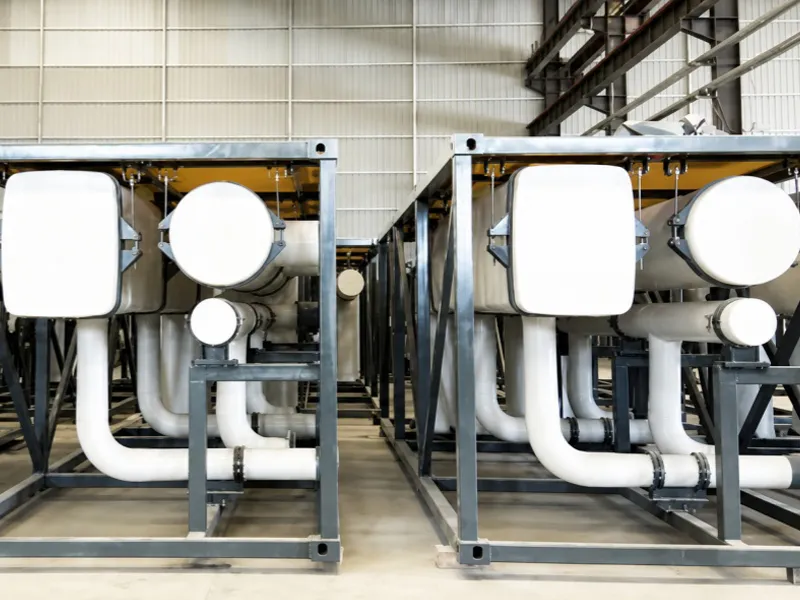
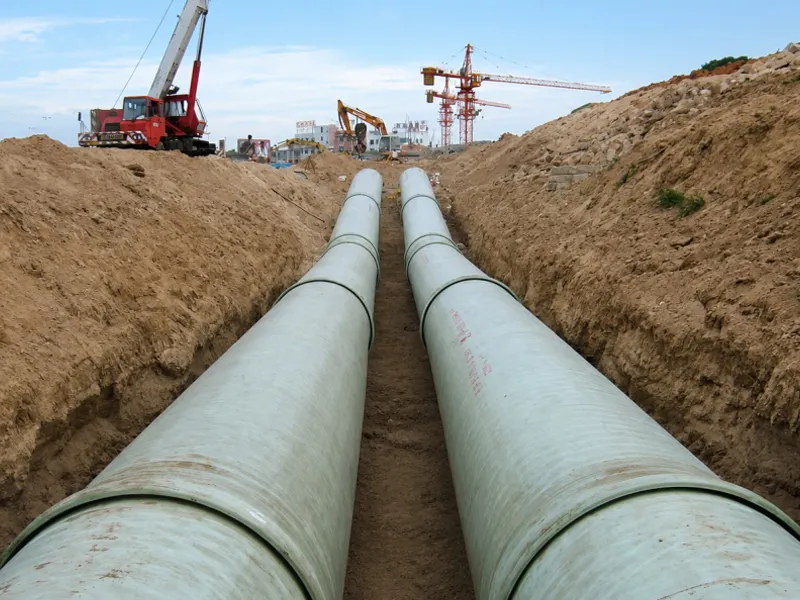
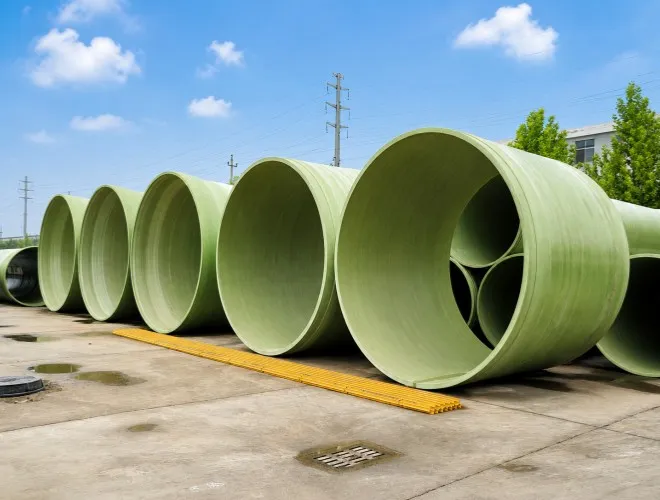
Under suitable operating conditions, FRP tanks, tank components, overflow sections, pipes and ducts can form a coordinated non-metallic solution. Their relatively low weight can also reduce the demands associated with transportation, lifting and field installation.
However, the reliability of FRP products still depends on accurate medium data, suitable material selection, structural design, manufacturing quality and proper installation.
Rather than applying a standard product without modification, this project developed the solution around the customer’s actual operating conditions, providing a complete example of FRP equipment used in an overseas mineral-processing project.
Article Keywords
Argentina mineral-processing project, FRP tank, FRP Tank Lip, fiberglass tank, FRP components for mineral-processing equipment, FRP thickener components
Meta Description
A mineral-processing project in Argentina used customized FRP tanks and an FRP Tank Lip for process-liquid storage and the upper rim of a thickener system. This case study covers customer requirements, technical solutions, manufacturing inspection, international delivery and installation support.
 English